MAIN ARTICLE
A lead is not a governing majority
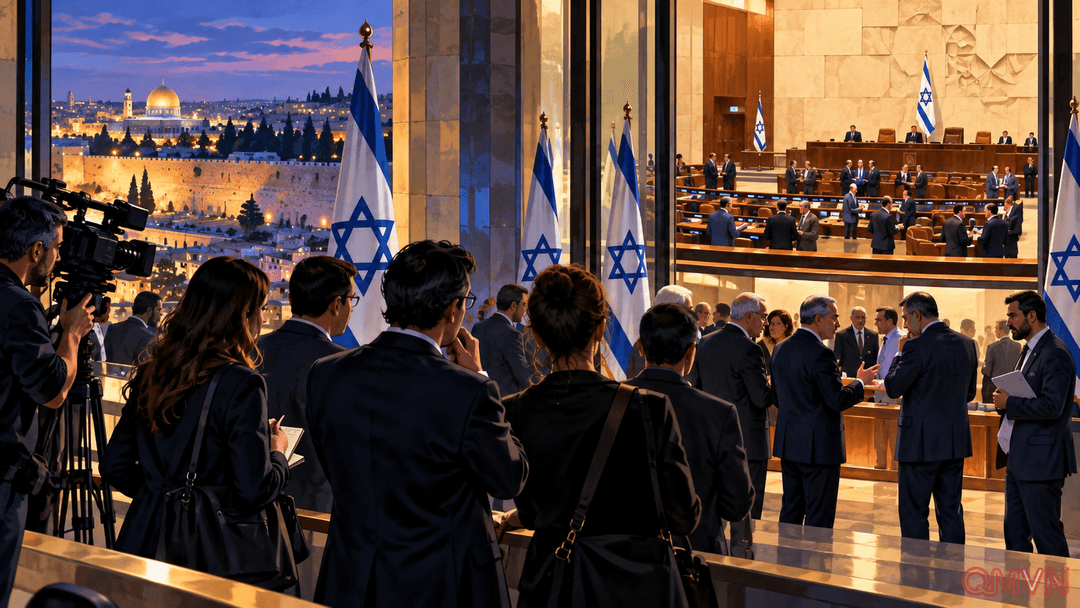
Updates from Israel’s Central Elections Committee, covered by Reuters, BBC and The Times of Israel, put Netanyahu’s alliance ahead in projected seats. His Likud party remained the largest single party, while Yashar, led by former military chief Gadi Eisenkot, emerged as its principal rival. Under Israel’s parliamentary system, however, winning the most seats does not automatically deliver the premiership.
A government needs the support of at least 61 lawmakers. At a projected 53 seats, Netanyahu’s existing alliance needs eight more; Eisenkot’s grouping, at approximately 48, needs 13. The decisive contest has consequently moved from election rallies to the difficult business of coalition building.
Arab parties reshape the parliamentary equation
One of the election’s most significant developments was the projected rise of Arab-led parties, notably the Joint List and Ra’am. A combined 19 seats would represent a historic high, almost twice their previous representation, and create a bloc capable of influencing parliamentary arithmetic.