MAIN ARTICLE
Flights resume, but reassurance remains fragile
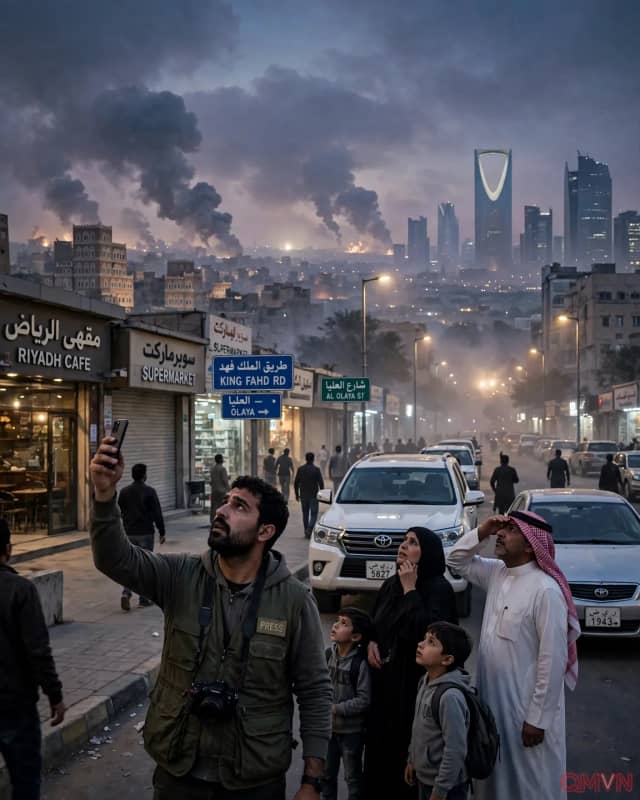
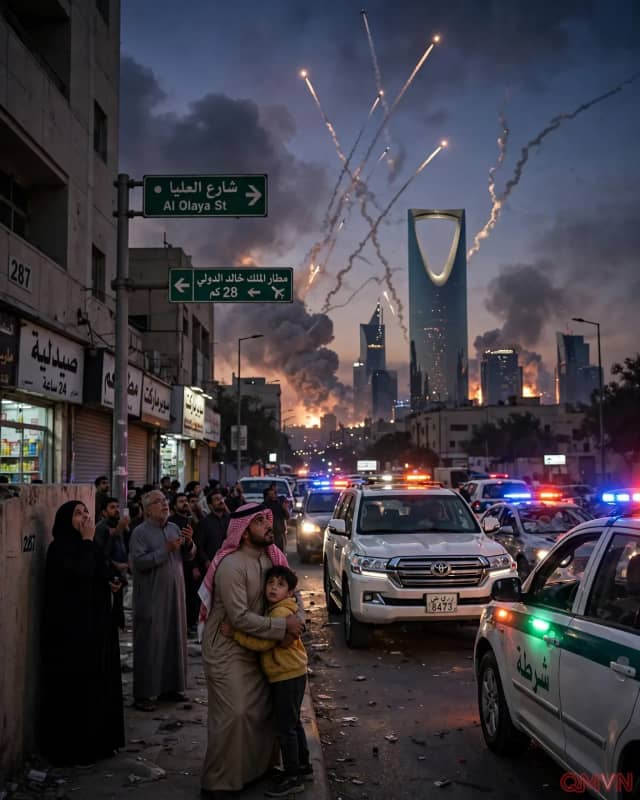
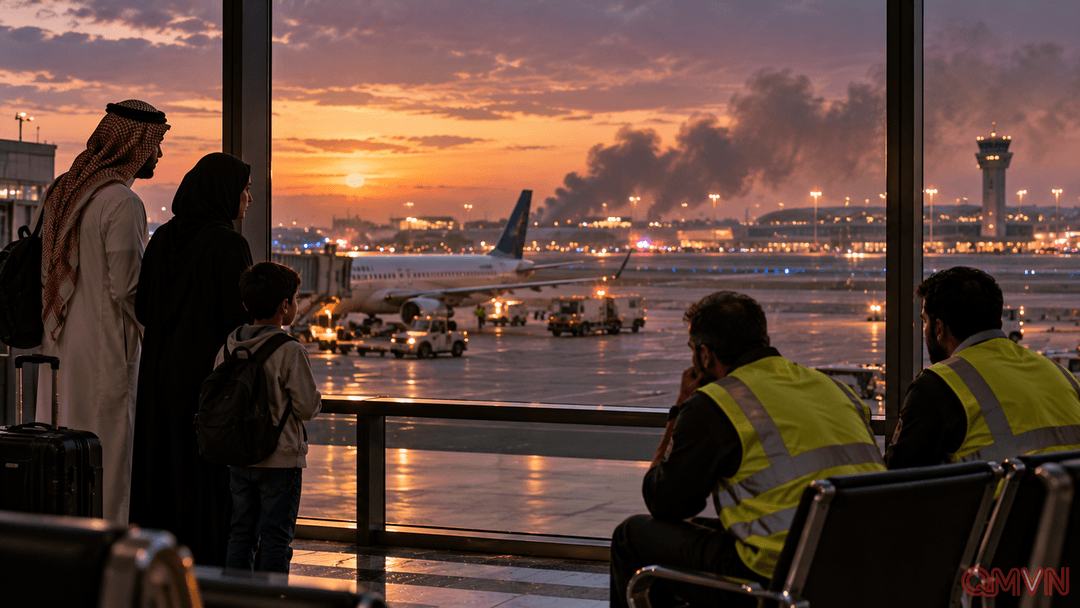
Reuters and AP reported that two attacks on October 8 struck airport facilities and a Saudia aircraft. The three dead were Saudi nationals, among them Captain Hamoud Ali Alkalthami. The airline confirmed damage to an aircraft with no passengers aboard. Several other people suffered injuries.
Saudi aviation authorities announced the airport’s reopening on October 9. Yet resuming a timetable does not erase exposure to further launches, interception debris or abrupt changes in the security picture. Airlines must assess risks not just at the airport but across the airspace through which their crews and customers travel.
Behind the cancellations is an irreparable loss. The death of an airline professional at his workplace is a reminder that civilian aviation depends on a basic promise: people who are not combatants should not have to confront the dangers of the battlefield.
Travel warnings ripple through global aviation
Britain’s Foreign, Commonwealth and Development Office advised against all but essential travel to Riyadh, Aseer, Najran and Jizan provinces and to Taif, while maintaining its advice against all travel within 10 kilometres of Yemen’s border. The warning is geographic, not a blanket ban on visits to Saudi Arabia; travelers are also cautioned that ignoring government guidance may affect insurance coverage.