MAIN CONTENT
At the market, other worries come first
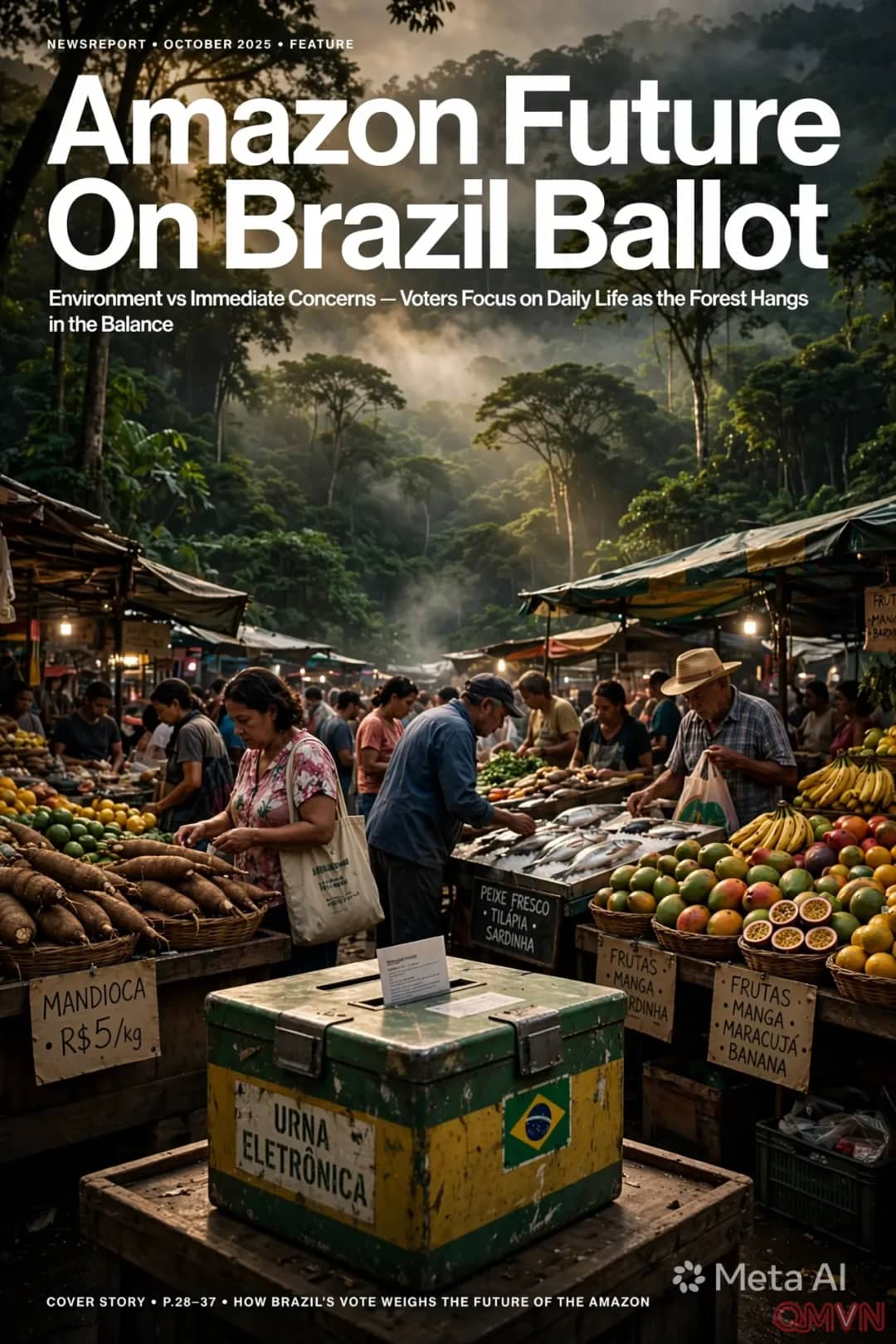
On a sunny morning at a busy farmers market in Rio de Janeiro, stalls overflow with flowers, fresh fish and tropical fruit. Asked by NPR what is on his mind as he decides how to vote, cassava seller Ezequiel Gomes answers without hesitation: healthcare, education and security. The environment, he admits after a pause, is something he has never really thought about. He backs Flávio Bolsonaro because he wants change.
A few stalls away, Cristiana Bittencourt, dressed in red to support Lula, sees things differently. For her, protecting the Amazon tops the agenda, especially after the Jair Bolsonaro years. The two shoppers capture a divide that runs through the whole country: for some, the forest is an urgent national duty; for many others, it is a distant issue compared with the struggles of everyday life.
Two very different environmental records
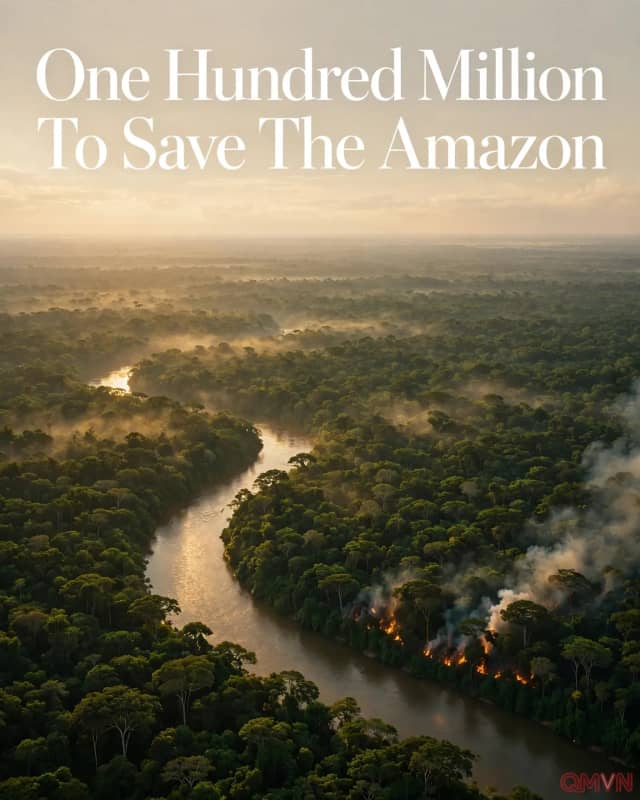
Brazil has already lived through both paths. During Jair Bolsonaro's presidency from 2019 to 2022, his government encouraged logging, mining and ranching in the Amazon, deforestation climbed to its highest levels in more than a decade, and environmental agencies such as Ibama lost resources and authority. International donors froze contributions to the Amazon Fund, and Brazil faced a wave of global criticism.