A verdict seven years in the making
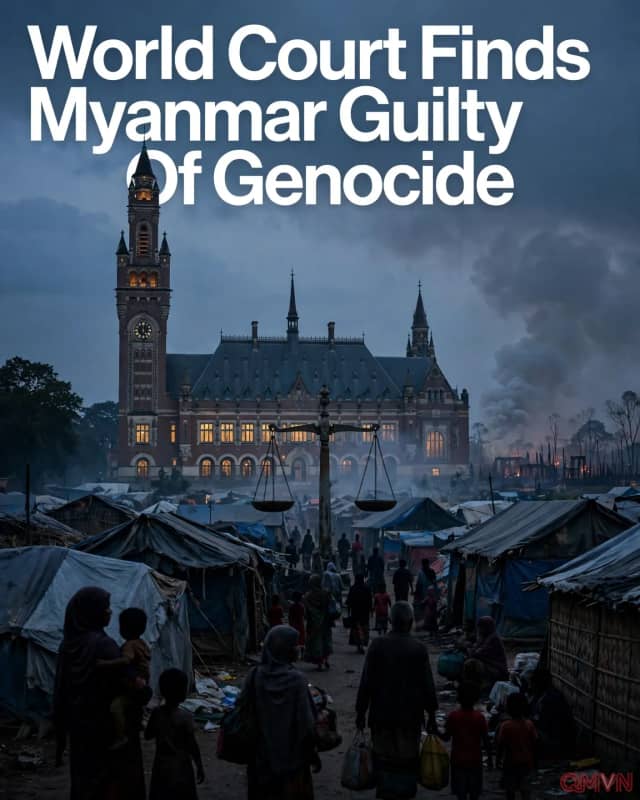
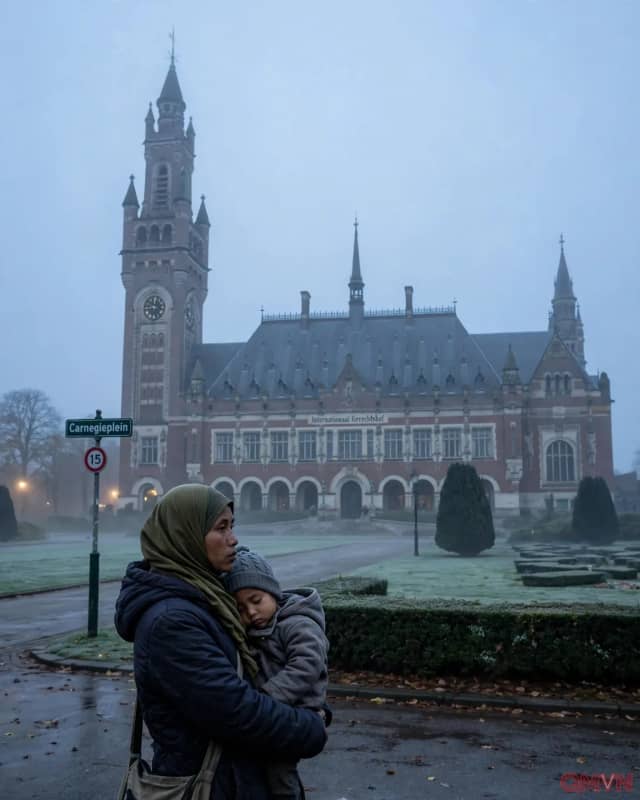
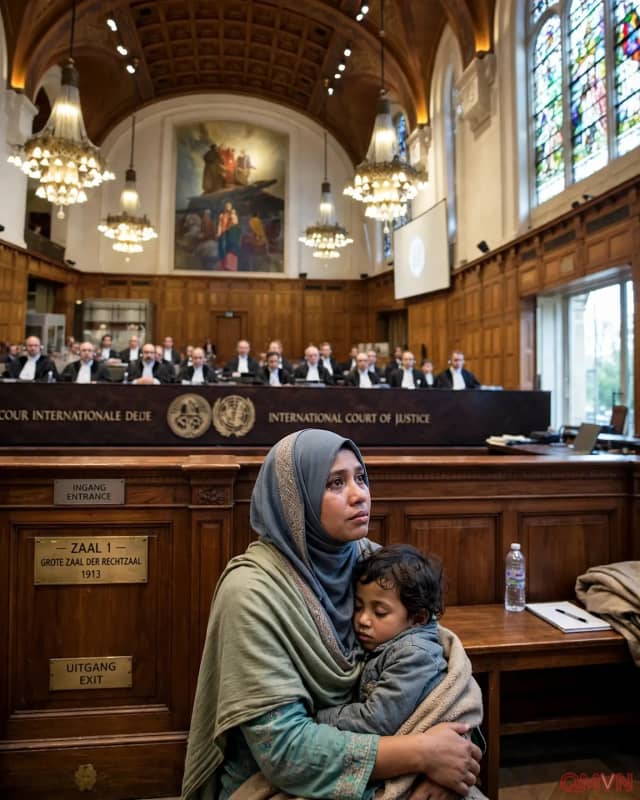
The case began in November 2019, when The Gambia, a small West African nation acting with the backing of the 57-member Organisation of Islamic Cooperation, accused Myanmar of breaching the 1948 Genocide Convention. Seven years later, the court delivered a judgment that is final and cannot be appealed. In 2007, the same court had stopped short of holding Serbia responsible for Srebrenica, finding only that Belgrade had failed to prevent the massacre. This time the judges went further, concluding that Myanmar itself bore responsibility.
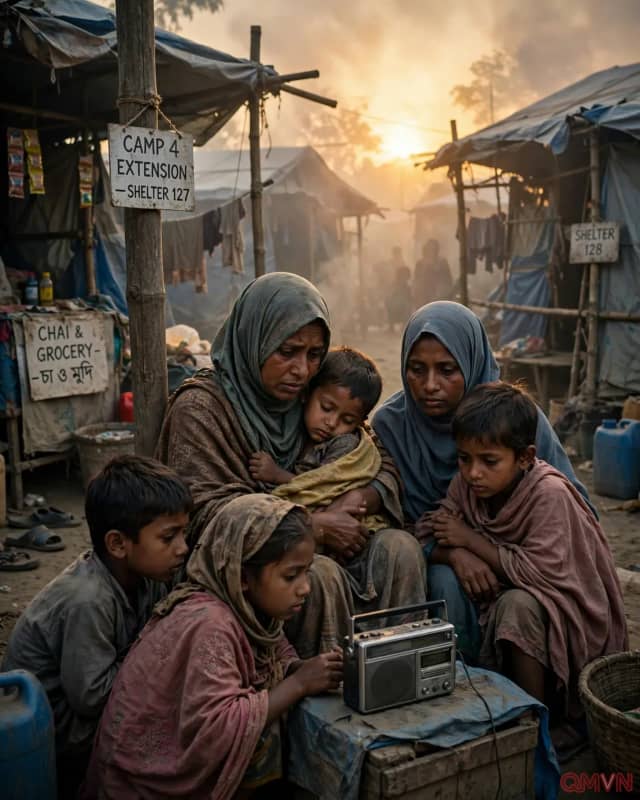
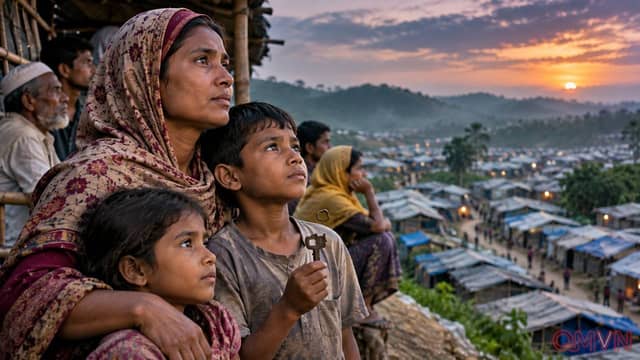
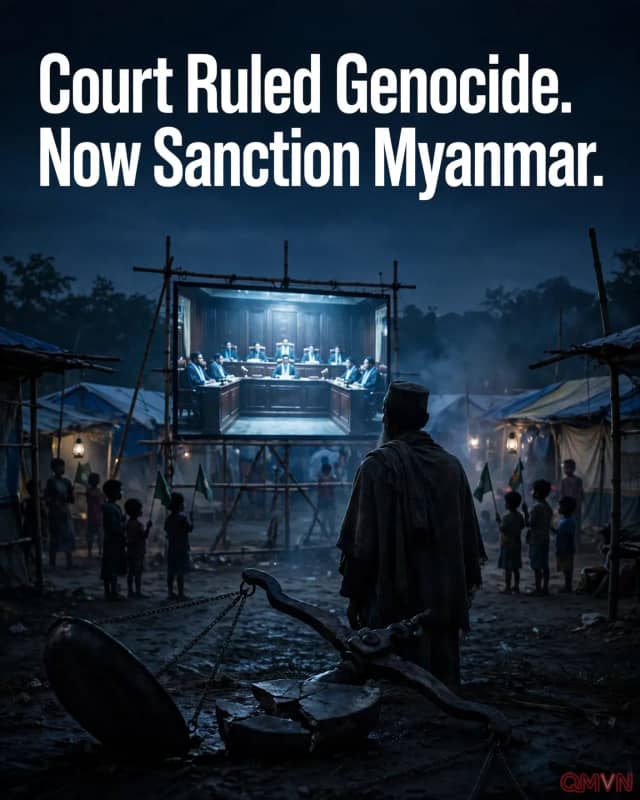
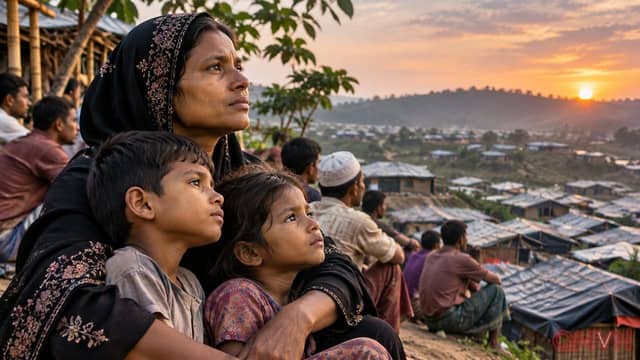
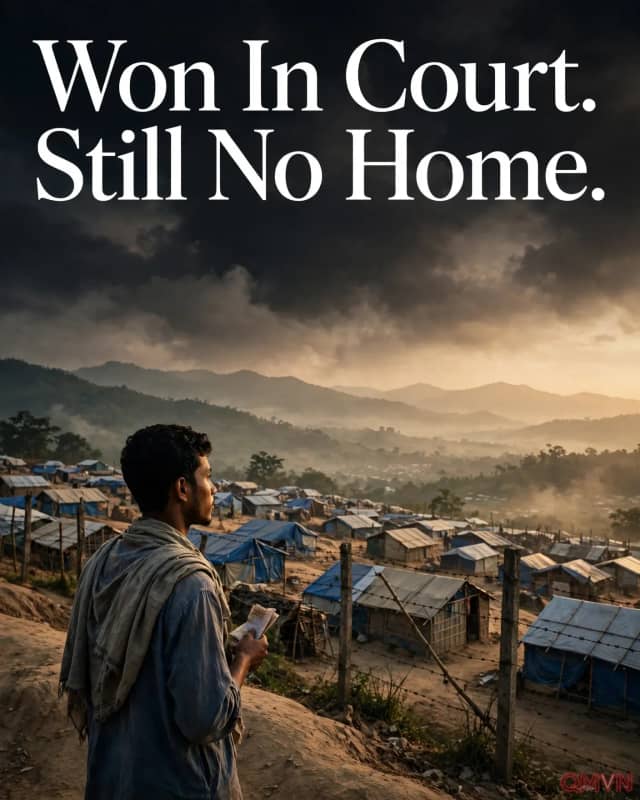
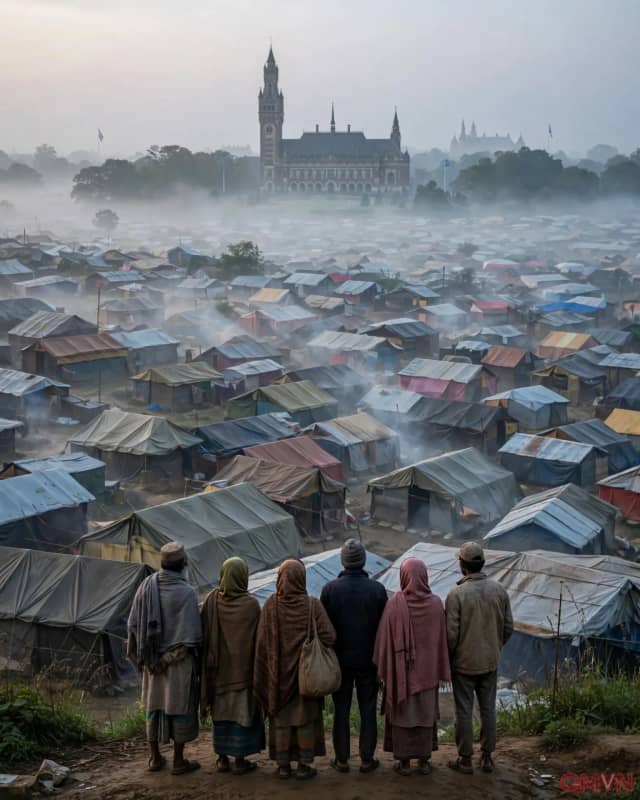
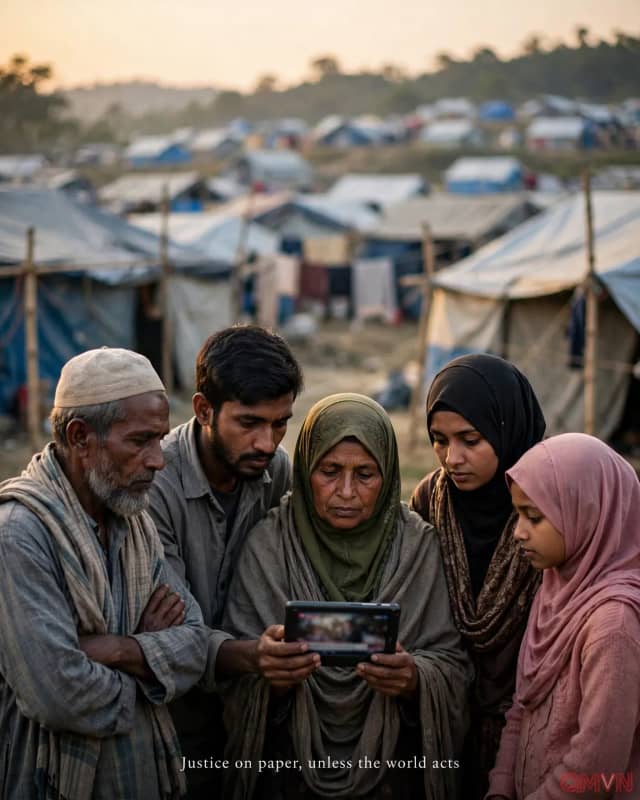
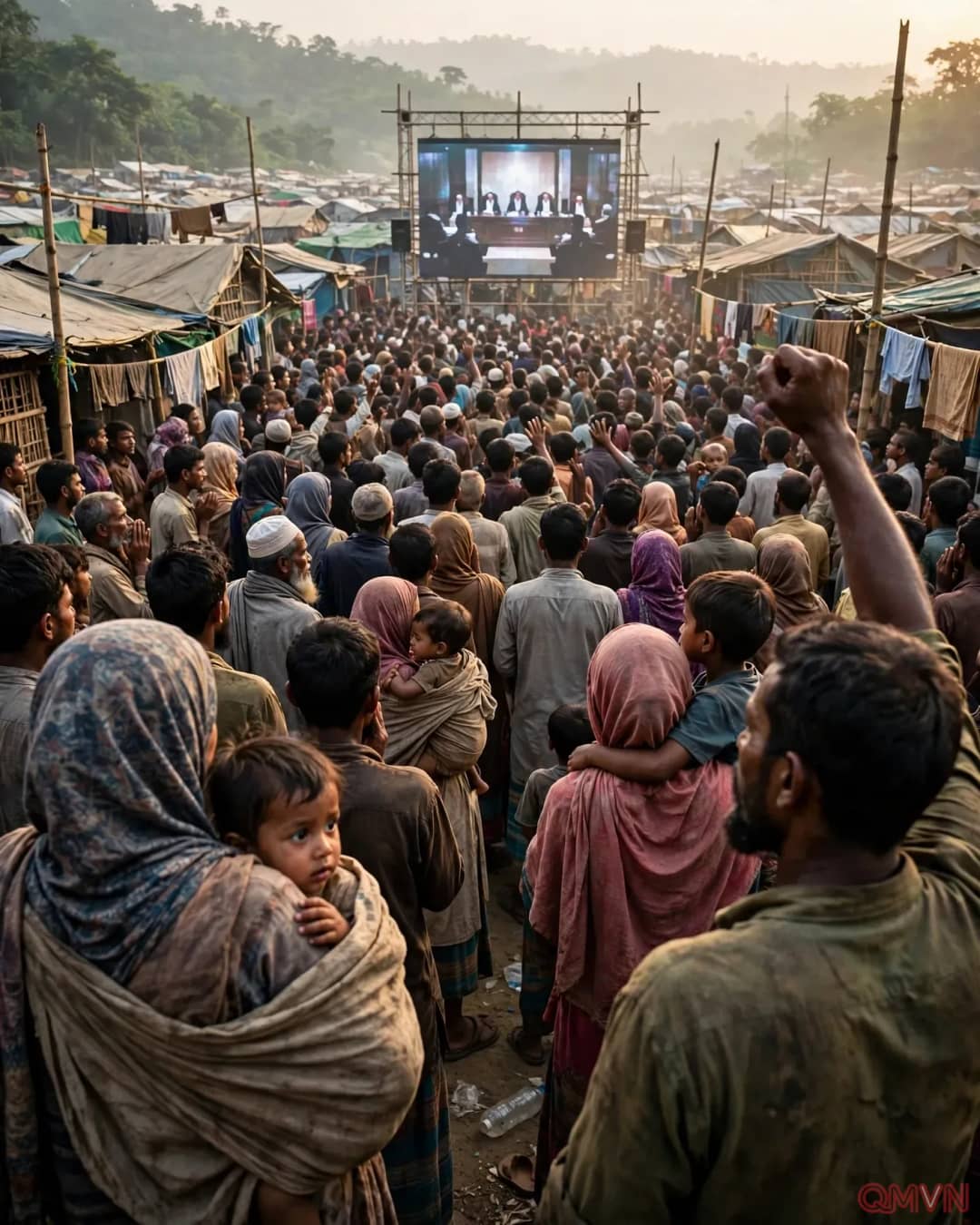
Among the court's orders is an obligation to ensure the safe return of the Rohingya to their homeland, and in Cox's Bazar that line drew perhaps the loudest response. Thousands watched the reading live on screens set up between bamboo-and-tarpaulin shelters, and many wept. Mohammed Zubair, a 24-year-old refugee, told Reuters that his deepest wish was not merely recognition, but the day his people can walk freely on the land of their ancestors.
As a Rohingya, this moment gives me renewed strength.