MAIN CONTENT
A legislative opening, not a completed inquiry
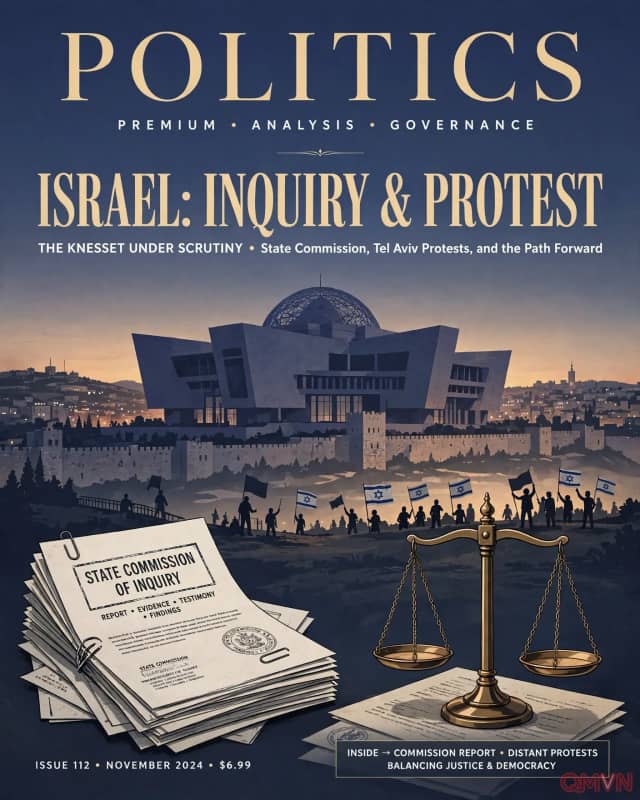
The Knesset vote creates an opportunity to consider an investigation with a broader remit than internal reviews conducted by individual institutions. According to The Times of Israel and the Jewish Telegraphic Agency on November 25, the proposal, sponsored by Yashar lawmaker Orit Farkash-Hacohen, envisages a five-member commission. Preliminary approval does not establish that body immediately. Further scrutiny and parliamentary votes remain necessary before the legislation can become law.
For bereaved families and survivors, the significance of an inquiry extends beyond party competition. Credible findings could help explain why institutions entrusted with protecting the public failed and provide a foundation for lasting reform. The process must nevertheless remain open to evidence rather than treating the outcome as predetermined. No conclusions can be attributed to a commission that has yet to be formed.
Who should appoint the investigators?
The Israeli Judicial Authority explains that under the existing state commission framework, the president of the Supreme Court appoints the chair and other members. The Israel Democracy Institute identifies separation between political actors and the appointment process as a central safeguard of independence.
Such commissions have statutory powers to gather evidence and summon witnesses, helping them examine matters that cross institutional boundaries.
Netanyahu favors a different arrangement, giving lawmakers a role in selecting panel members and the cabinet authority over the mandate. Critics fear that this could create conflicts of interest. Conversely, Netanyahu has argued that a panel selected by the Supreme Court might be biased against his government. Transport Minister Miri Regev has also expressed concern that the proposed inquiry would scrutinize soldiers rather than address the failures at issue. These objections highlight a dispute about institutional legitimacy that cannot be settled merely by changing the name of the investigating body.
A changed parliament, an unchanged caretaker government
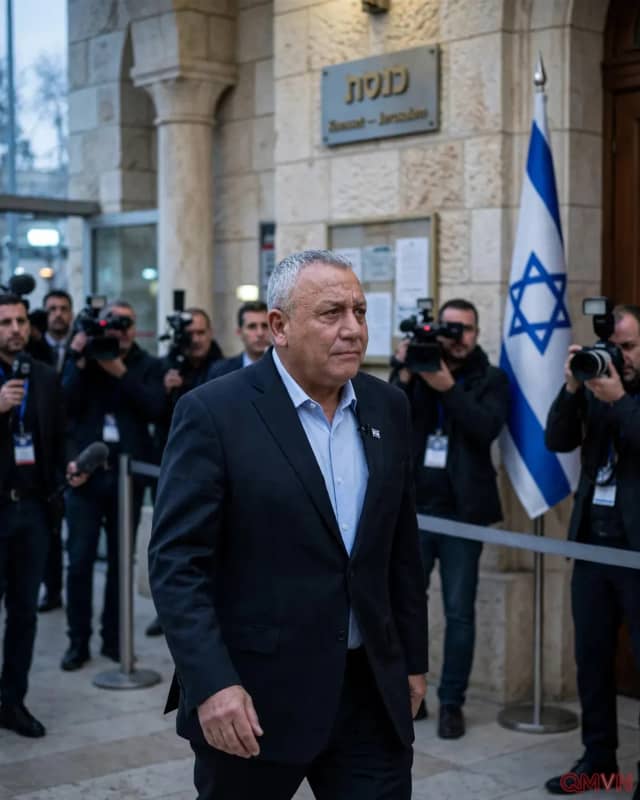
Reuters reported that the October 27 election reduced Netanyahu’s coalition to 53 of the Knesset’s 120 seats, although Likud remains the largest party. Eisenkot’s bloc secured 48 seats, while parties representing the Arab minority won 19. Cooperation on legislative votes has allowed Netanyahu’s opponents to shape the parliamentary agenda, but disagreements over forming a governing coalition remain unresolved.
Eisenkot initially has until December 6 to form a government, with a possible 14-day extension. A separate proposal concerning prime ministerial term limits and eligibility for office following criminal indictments also cleared a preliminary vote. Netanyahu, who denies the corruption charges against him, regards that initiative as a means of political exclusion. The two bills should be distinguished: their purposes and potential legal consequences are different, even though both are being debated against the same political backdrop.
What a credible inquiry would need to achieve
From a governance perspective, the objective should extend beyond identifying individual responsibility to recognizing systemic shortcomings. Whatever mechanism ultimately prevails, public confidence will depend on several basic safeguards:
A clear mandate that neither prejudges findings nor automatically excludes any relevant institution from scrutiny.
Independent evidence gathering and evaluation, with affected individuals afforded a fair opportunity to present their accounts.
Publication of findings consistent with legitimate national security requirements, accompanied by practical recommendations for reform.
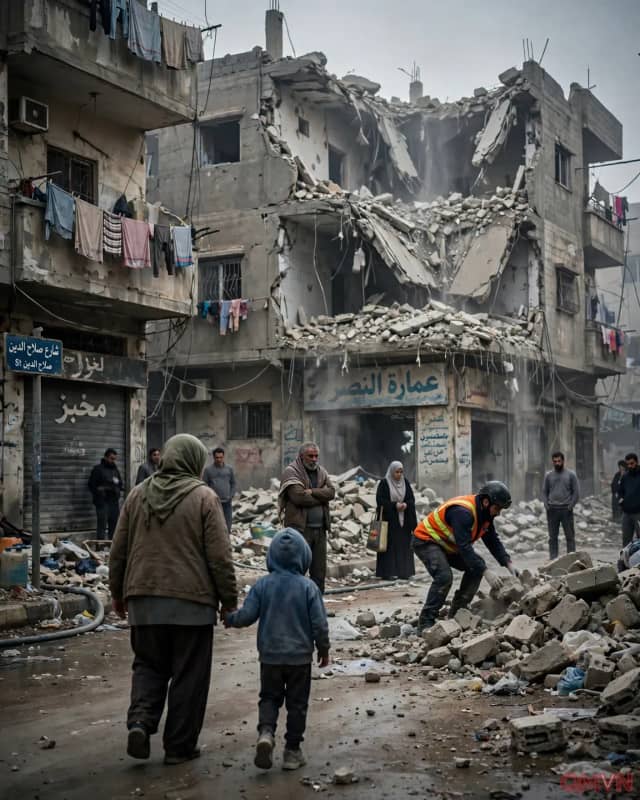
A credible investigation cannot repair every injury caused by conflict. It can, however, distinguish individual mistakes from structural problems and help civilian and military institutions learn. Against the backdrop of the immense suffering experienced by Palestinians during the ensuing war in Gaza, respect for human life and the rule of law is also important to the prospects for a lasting peace. The value of accountability lies not only in explaining the past but in improving future decisions.