MAIN CONTENT
A disputed military justification
According to Reuters on November 26, Israeli Prime Minister Benjamin Netanyahu presented the killing of Abu Nada as part of a broader campaign against Hamas. The Israeli military alleged that the official had responsibility for financial networks supporting the group's armed activities. Hamas acknowledged his political affiliation and death but did not immediately address the specific financial allegations. Those allegations should not be treated as independently established facts.
The episode illustrates the difficulty of distinguishing political, administrative and military functions in a conflict where institutions overlap. Under international humanitarian law, the assessment of an individual's status and the legality of an attack depends on the relevant facts, not simply a job title or political affiliation. The obligations to distinguish civilians from military objectives, take feasible precautions and avoid disproportionate civilian harm remain applicable. The available reporting does not establish whether these requirements were satisfied in this particular operation.
The human cost of an incomplete truce
Reuters also reported other deaths based on accounts from medical personnel. Israeli military responses to some of those reports were either unavailable or indicated no awareness of the incident.
AP's separate coverage reported a higher total; such differences should not be resolved by simply adding the figures together. Confirmation of individual identities and circumstances can take time in an environment where access and communications are constrained.
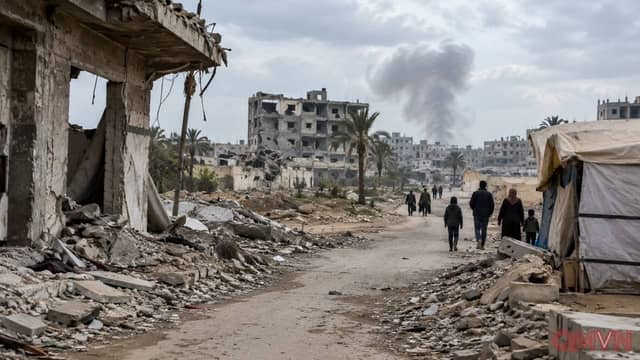
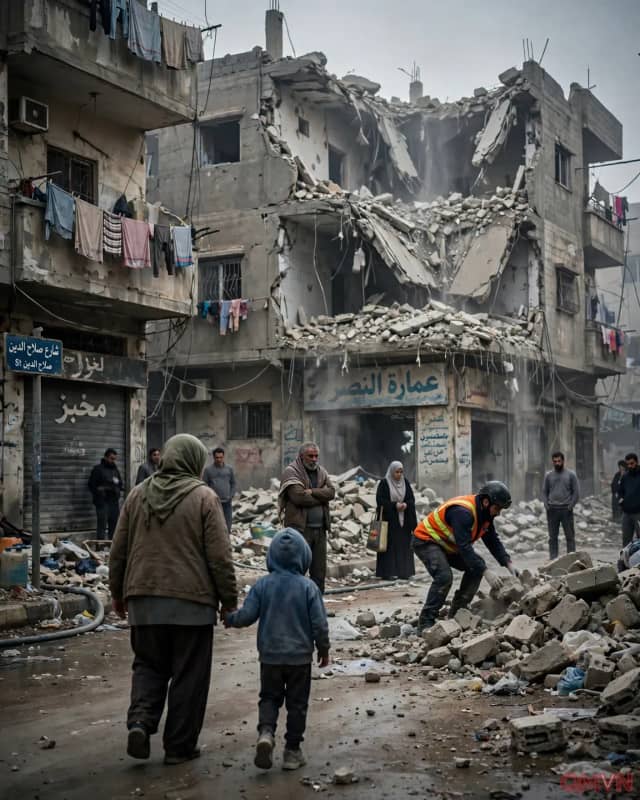
The humanitarian consequences extend beyond immediate casualties. Families must consider whether homes, schools and medical facilities are safe enough to use, while relief organizations need predictable access to provide essential supplies. Repeated violence can undermine the confidence required for displaced people to make decisions about returning home. In an assessment six months into the ceasefire, the United Nations Office for the Coordination of Humanitarian Affairs (OCHA) reported that aid deliveries had helped save lives, while emphasizing the need for sustained access and civilian protection. That assessment highlights why improvements in relief operations and continuing insecurity can coexist.
Diplomacy under pressure
Hamas argues that Israel's continuing targeted killings violate the ceasefire and has criticized the US-backed Board of Peace for failing to prevent them. Israel maintains that its operations address threats posed by Hamas. These competing accounts reflect disagreements over the obligations and security arrangements underlying the truce. They do not by themselves settle whether a particular incident constitutes a violation.
A lasting reduction in violence requires more than a declaration of intent. Practical arrangements for monitoring incidents, communicating complaints, investigating disputed events and facilitating humanitarian work can reduce uncertainty. Security concerns, the future of armed groups and the political administration of Gaza remain intertwined. Progress on one issue need not resolve the others, but a credible process would need to account for the safety of Palestinian civilians and Israeli security concerns alike. The sources consulted do not establish that a new agreement has been reached or that the existing one has been formally abandoned.