MAIN STORY
A decisive answer to a carefully framed question
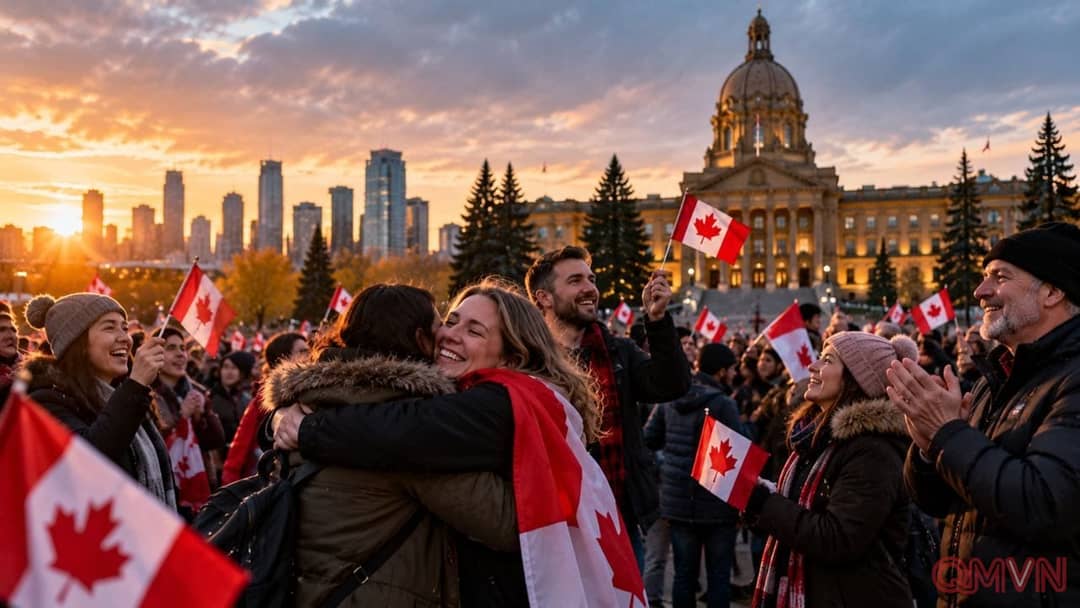
In Edmonton and Calgary, supporters of a united Canada interpreted the preliminary tally as evidence that dissatisfaction with the federal government does not necessarily mean a desire to leave the country. Reuters and AP reported that about three quarters of votes favored remaining, a substantial margin over the alternative.
The wording matters. Albertans were not asked to establish an independent country on election night. They chose between maintaining their place as a Canadian province and starting the legal steps toward a second, binding vote on secession. The outcome therefore rejects that route forward rather than passing judgment on a fully specified independence blueprint.
Elections Alberta organized ten separate ballot questions, with the separation-related question counted first. Ballots are counted by hand, and the official result is scheduled for October 29. The published percentages should therefore be described as preliminary, even though the overall direction is clear.
Oil wealth and a long struggle over authority
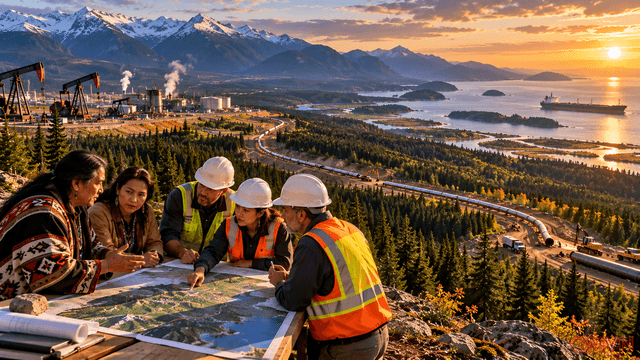
Alberta sits atop enormous oil sands reserves and is central to Canada’s energy exports and economic life. Yet some residents and conservative politicians argue that federal climate regulations disproportionately burden communities dependent on petroleum production.