A grim record for century-old companies
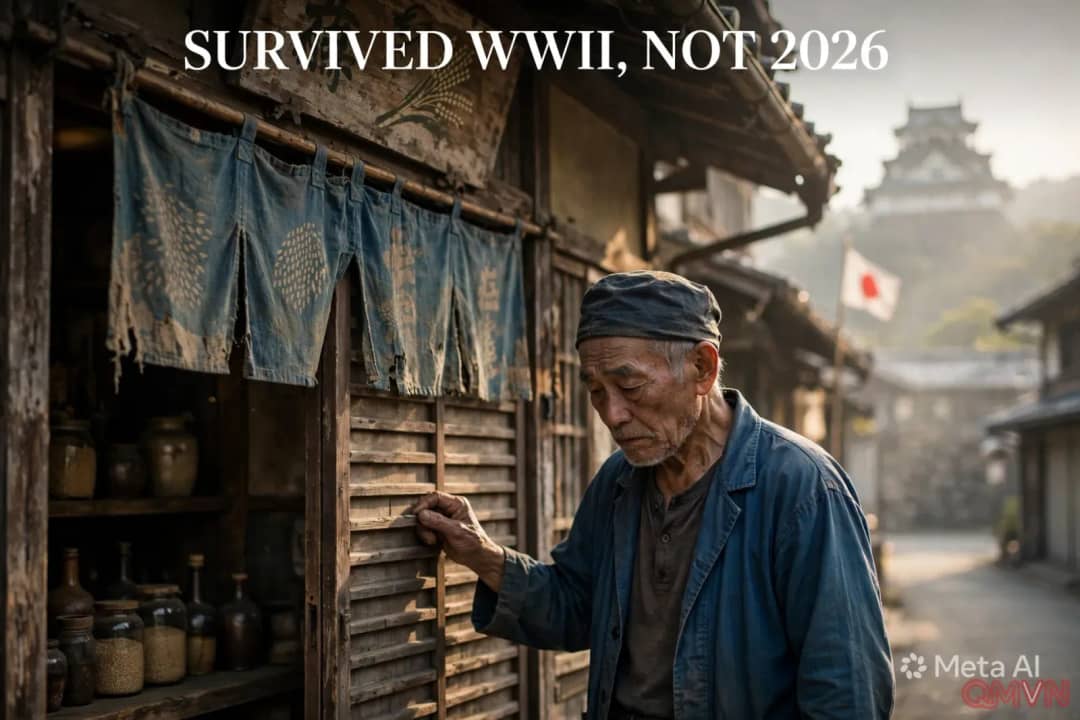
Kadoya Sesame Mills, a sesame oil maker founded in 1858, has watched Japan transform over generations, surviving world wars and the asset bubble. Now, more than two decades after listing on the Jasdaq exchange in 2004, Kadoya is set to go private through a tender offer backed by private equity firm Integral, as it grapples with rising raw-material costs and heightened geopolitical risks.
Kadoya still has options, but many other long-established businesses do not. Teikoku Databank says bankruptcies among companies more than 100 years old reached 112 in the first eight months of the year, including 78 in the first half alone, up 27.9% from a year earlier. According to the firm, three of the four cases involving debts of 1 billion yen or more were triggered by compliance violations.
The broader picture is also bleak. Corporate bankruptcies in Japan topped 1,000 in both June and July 2026, two consecutive months above that level for the first time since late 2009, when the fallout from the global financial crisis was still weighing on the economy.
Rising costs, a shrinking market
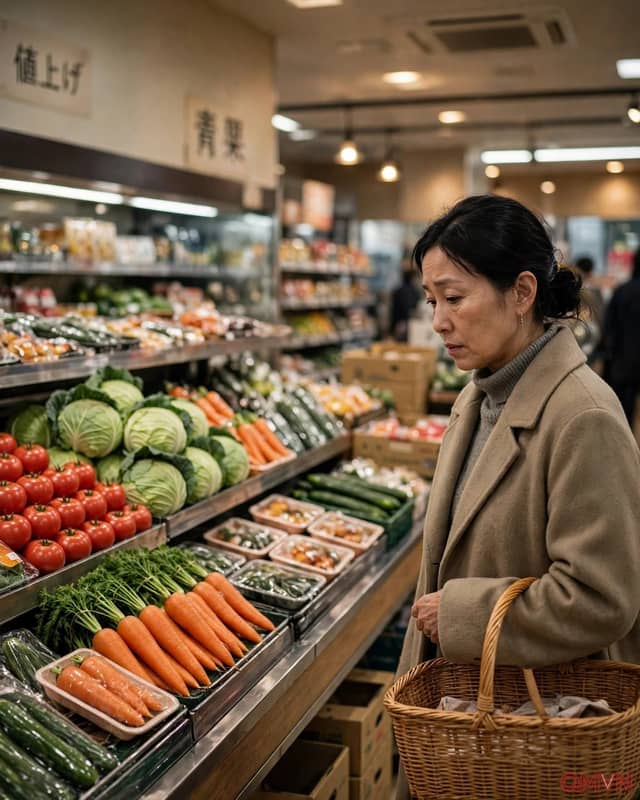
Harumi Taguchi, principal economist at S&P Global Market Intelligence, says rising costs and labor shortages have become the biggest challenges for Japanese companies after the pandemic, especially for smaller firms that depend on the domestic market. Teikoku Databank’s figures for the first half of 2026 show the pressure clearly: