MAIN CONTENT
The confrontation begins before the subpoenas
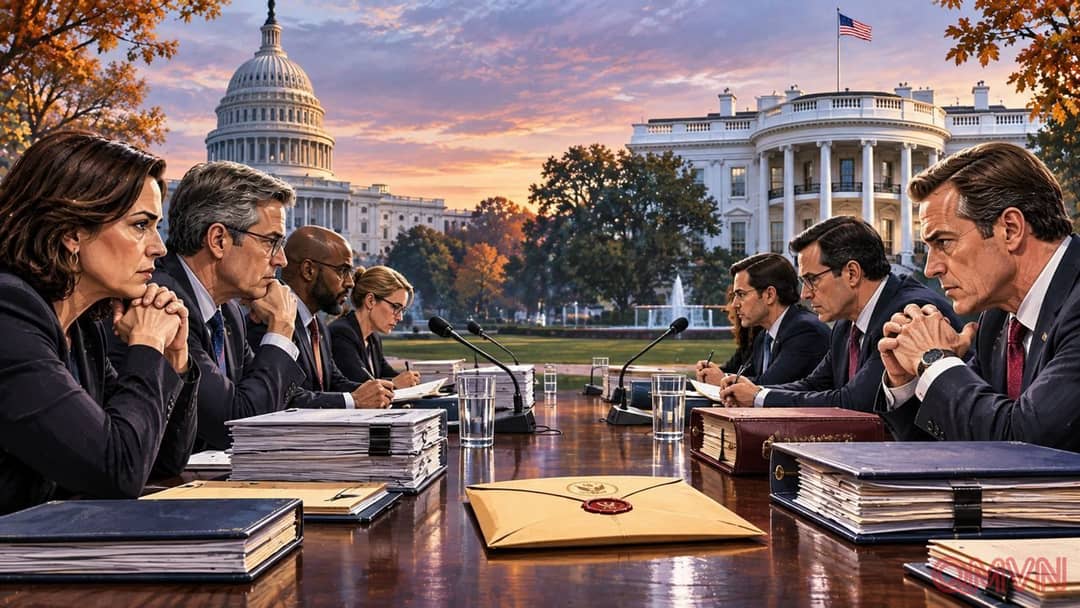
The midterm elections have reset the relationship between President Donald Trump and Capitol Hill. Democrats are due to control both chambers in January 2027, strengthening their ability to schedule hearings, seek records and question witnesses. Yet the power to investigate does not make every demand automatically lawful. The scope, relevance and legislative purpose of a subpoena can still become subjects of litigation.
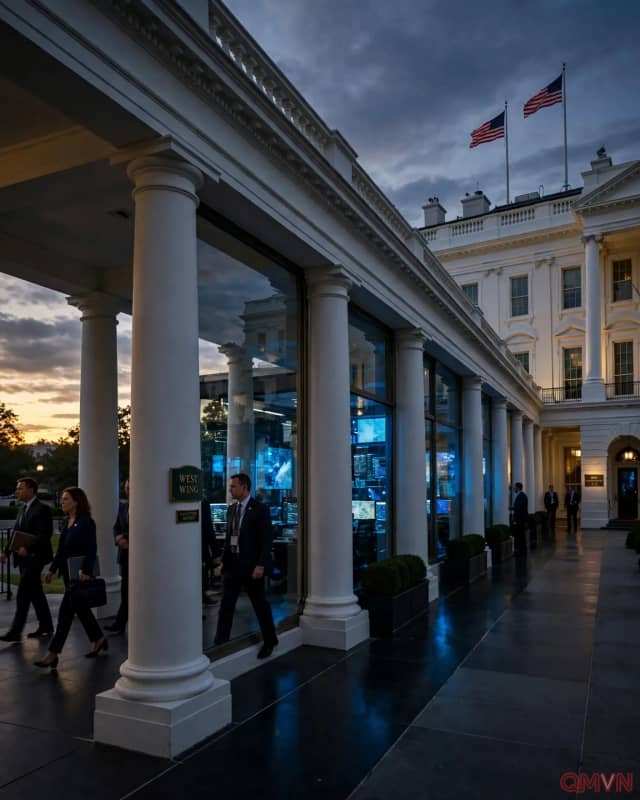
The Washington Post reported that preparations preceded the election. White House attorneys have coordinated with general counsels across federal agencies, while the counsel’s office has added 15 staff members. The effort suggests that procedural law will be as central to the coming confrontation as policy arguments. Companies, lobbying firms and law offices with administration ties are also preparing for possible testimony and document requests.
Will Scharf’s warning and the limits of oversight
In a letter to Robert Garcia, expected to lead the House Oversight Committee, White House counsel Will Scharf accused Democrats of threatening abusive and politically motivated proceedings. He argued that investigations must serve a legitimate legislative purpose and warned that harassment or unlawful compulsory process might warrant further scrutiny.