MAIN CONTENT
An invitation that is not yet a negotiation
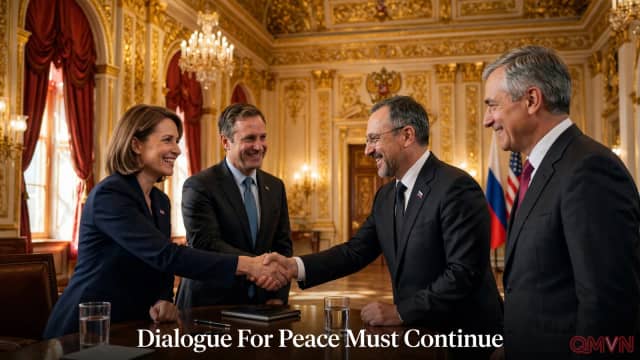
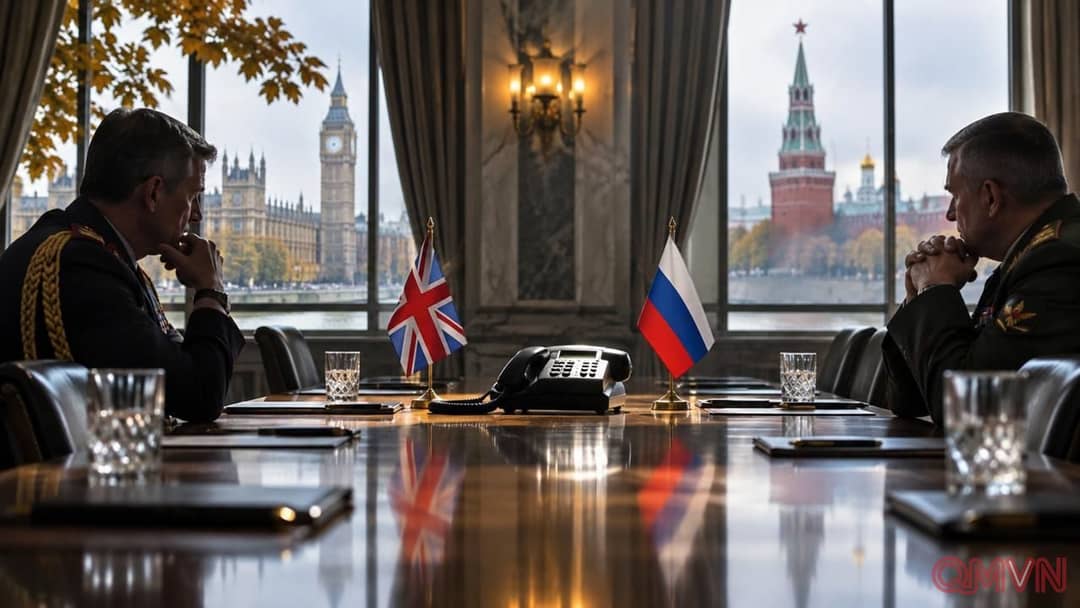
At a November 11 briefing in Moscow, Maria Zakharova said the Russian Defence Ministry would answer if the British defence secretary called. She was responding to comments by Wes Streeting in a Financial Times interview published the previous day. Streeting said Britain’s embassy in Moscow remained open but that he wanted additional contacts, particularly between military officials, to reduce the chance of mistakes.
The distinction between an invitation and an established channel matters. Neither side announced a scheduled meeting, a working group or an agreed procedure for emergencies. The public exchange establishes a willingness to discuss communication, not agreement over Ukraine, sanctions or the broader European security order.
Why adversaries may still need to speak
Military communication can serve a narrow purpose even when diplomatic relations are hostile. An incident involving aircraft flying close to one another, naval movements or unexpected exercises can become more dangerous when officials must interpret intentions without direct access to counterparts.