A wedding across two cells
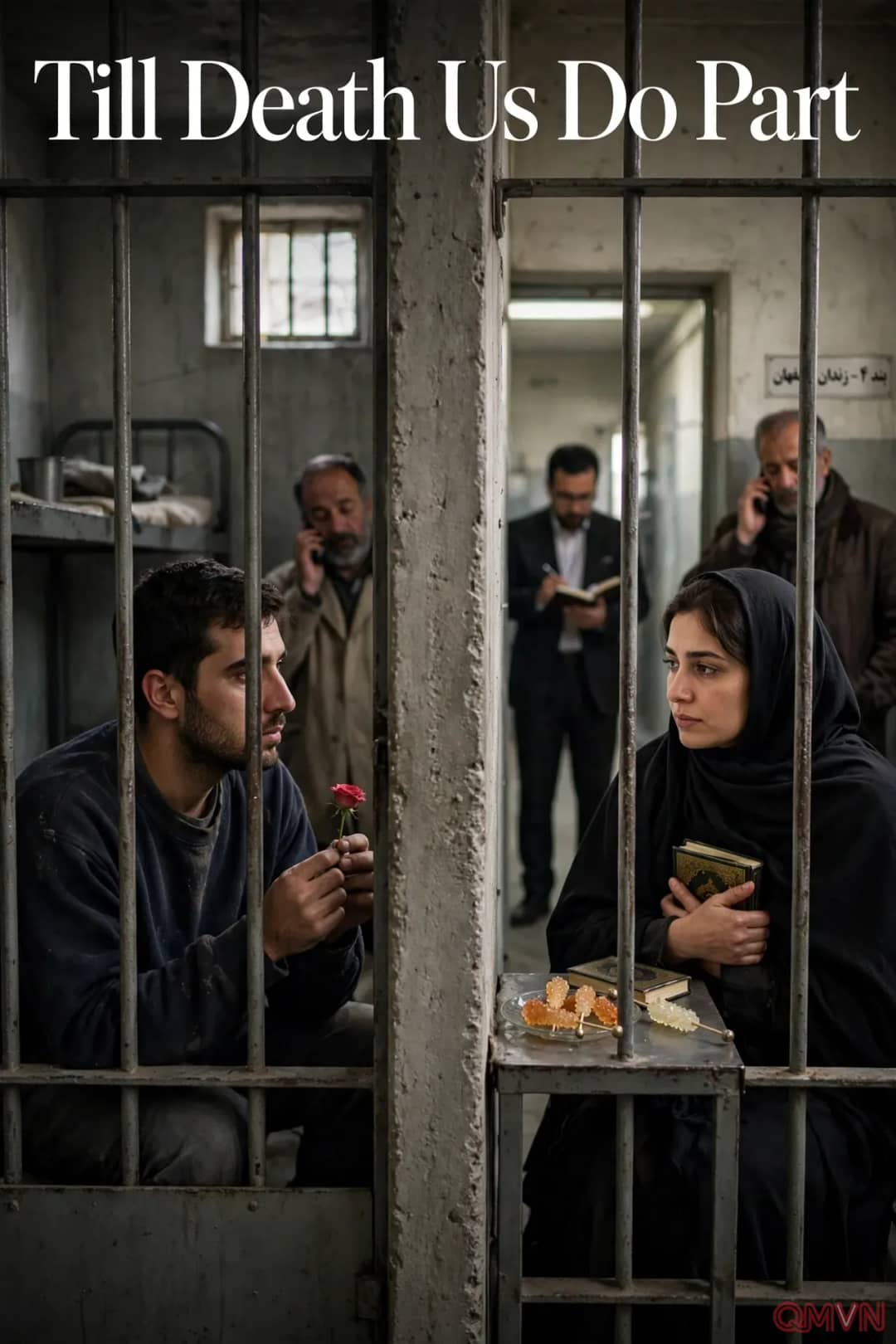
Alireza Sepahi and Mahshad Keshani knew and loved each other before they were arrested. As fears grew that Sepahi could be executed within hours, they decided to marry and asked human rights lawyer Amirsalar Davoudi in Tehran to help. He sent an assistant to obtain both prisoners' legal consent.
Although they were not present, their fathers listened by phone as Davoudi read the vows, blessing the union at the appropriate moment. The ceremony lasted about nine minutes. According to the lawyer, when Sepahi understood the proposal was real he began to cry and signed the document; even the prison officers wept.
“This was not my idea — I only carried it out. It was Mahshad's idea. Even now, I wonder how one young woman can possess such courage.” — Amirsalar Davoudi
Hours later, the gallows
Davoudi hoped the wedding would draw international attention and stop the execution. But the marriage had no legal power to overturn the death sentences, and on Monday morning, only hours later, Sepahi was hanged.
It was not the first time he had been led to the gallows. On 28 July, Sepahi was prepared for a public hanging in Alikhani Square, where his cousin and another defendant were hanged before a crowd. He suffered a heart attack shortly before he was due to be executed, was taken to hospital and remained unconscious for several days. After he regained consciousness and was returned to prison, Keshani contacted the lawyer to formalise their relationship.
“I hope love will defeat that cursed rope.” — Amirsalar Davoudi
A disputed case
Sepahi was arrested at his family home on 10 January during nationwide protests and convicted in the “Alikhani Square” trial, in which more than a dozen young men were accused of involvement in the deaths of four security officers in Isfahan during unrest on 8 January. The Iranian authorities say the defendants were responsible for those deaths.
According to Davoudi, however, the court presented no evidence beyond confessions the defendants said were extracted under torture, and refused to examine footage that could have established the location of Sepahi, who denied being present. A former cellmate and a civil society activist have alleged that defendants were tortured during interrogation. Rights groups say Sepahi was the sixth defendant in the case to be executed. Keshani, an only child, remains in Dolatabad prison.
“We should not use the word execution. Execution suggests that a lawful process has taken place.” — Amirsalar Davoudi