MAIN ARTICLE
Affordability and availability open Korea’s door
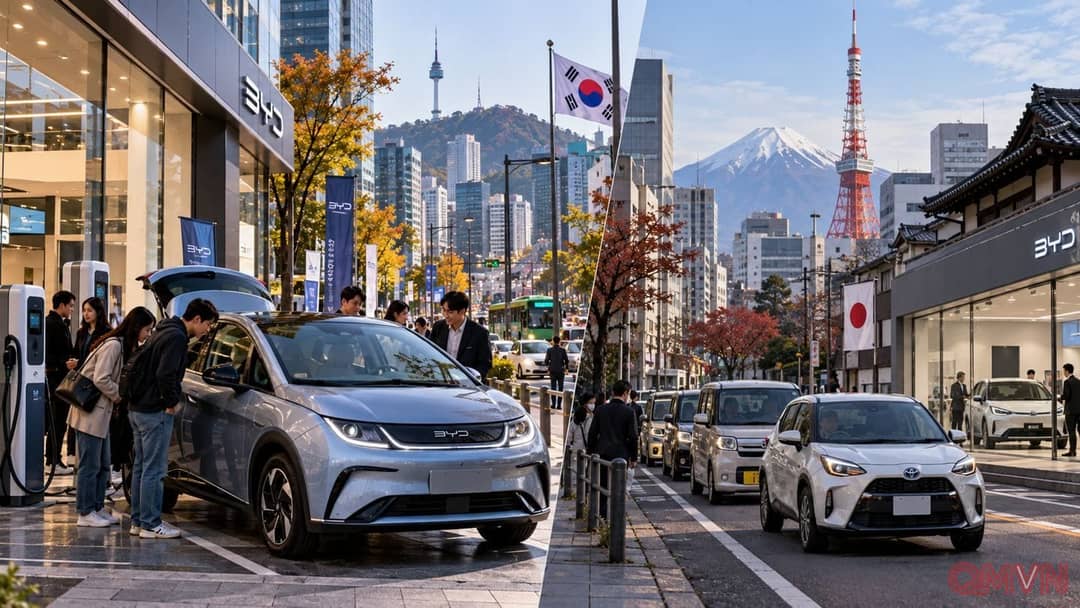
Seoul resident Kim Min-seon, 48, wanted a Hyundai Casper EV but was told she might wait more than two years for delivery. She instead bought a BYD Dolphin for roughly $18,500. As she told Reuters, acquaintances were surprised by the decision: Chinese cars had long carried a reputation for poor quality. The practical experience of shopping for a vehicle is beginning to challenge that assumption.
BYD sold more than 20,000 vehicles in South Korea in the January–September period; The Korea Herald reported an industry total of 20,137. Electric cars accounted for roughly one-quarter of new sales this year. Rising gasoline prices, relatively few affordable domestic electric models and the appeal of prompt delivery have created an opening for an ambitious newcomer.
Early sales success does not automatically translate into lasting loyalty. Hyundai and Kia retain established service networks, considerable brand recognition and long relationships with domestic customers. BYD still needs to demonstrate durability, residual value, spare-parts availability and consistent customer care. Price competition may gradually give way to a contest over the full cost and experience of ownership.