MAIN CONTENT
From reform laboratory to global city
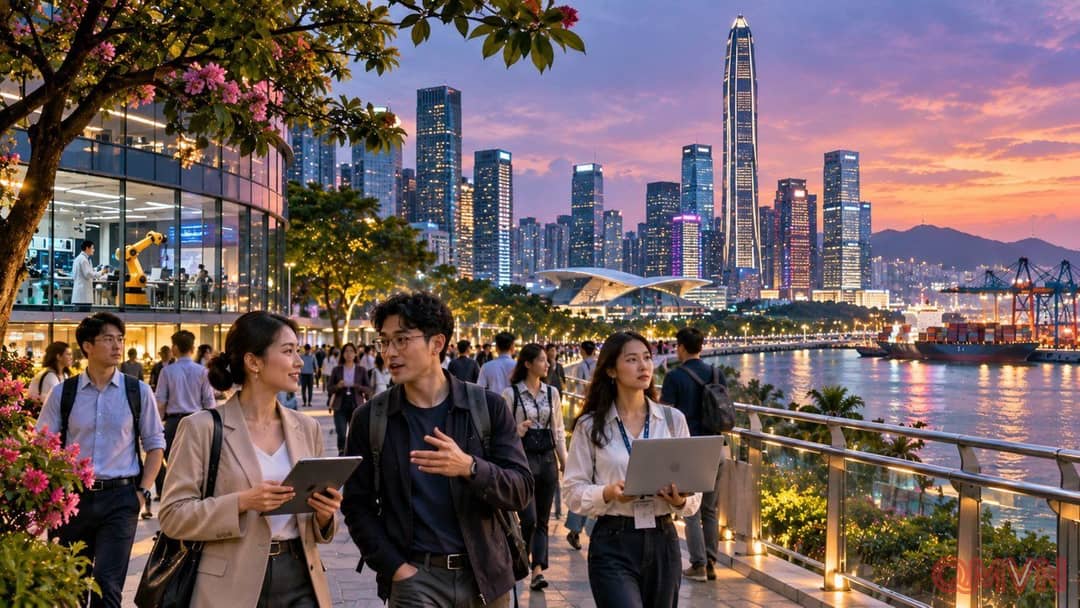
Four decades ago, Shenzhen offered China a place to try policies that were harder to implement nationally: expanded room for private enterprise, international investment and market-based exchange. Its proximity to Hong Kong helped capital, goods and know-how move across borders. The resulting transformation cannot be measured solely in towers and highways. It also reflects countless business decisions made possible by networks of suppliers, workers and customers.
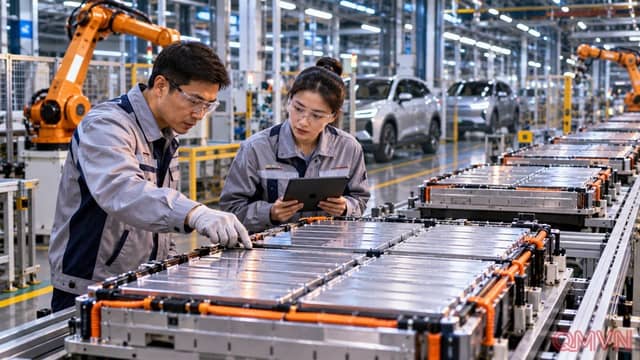
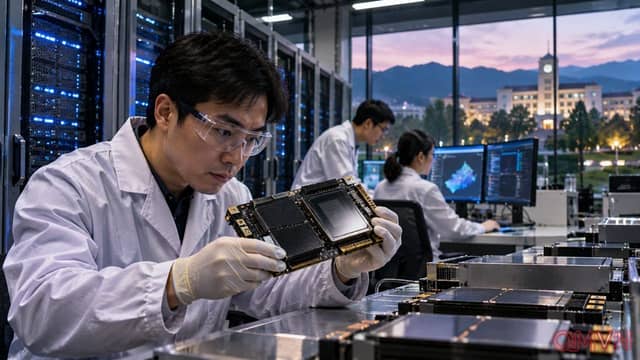
The Shenzhen statistics bureau says the city's 2025 GDP reached 3.873 trillion yuan, growing 5.5%. HKTDC Research puts its resident population at about 18.25 million. Electronics manufacturing now coexists with software, robotics and advanced industrial research. Those numbers show scale and momentum, not a guarantee that every company prospers or that each migrant finds an equal opportunity.
A city defined by arrivals
The popular civic slogan, often translated as “Once you come, you're a Shenzhener,” captures an unusually welcoming idea of belonging. For a city built by arrivals from many other Chinese provinces, social mobility can be as consequential as physical infrastructure.