An oil deal on the peace table
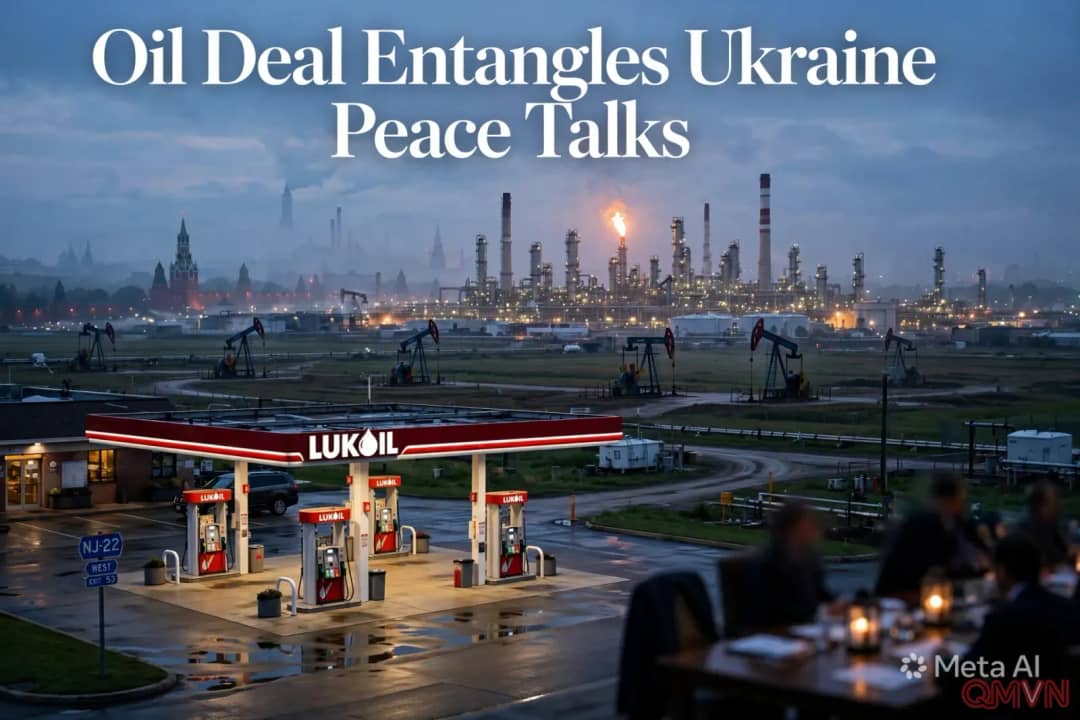
Lukoil is Russia’s largest private oil company, with an international portfolio stretching from oil fields in Cameroon and refineries in Europe to gas stations in New Jersey. According to eight people familiar with the monthslong talks, at the September 5 Kremlin meeting Mr. Putin proposed completing the sale as a way to show Russians that they can do business with the United States. The Americans said they would work on it, seeing a chance to build good will with Moscow while helping to lower global energy prices.
Although Lukoil is technically private, the final decision in Moscow is widely seen as resting with Mr. Putin. On the other side, the deal needs approval from the US Treasury because Lukoil’s assets are under sanctions; once cleared, their value would jump instantly. In the end, a vast transaction comes down to two men: Mr. Putin and Mr. Trump. Kirill Dmitriev, Mr. Putin’s economic envoy, has also been closely involved and traveled to New York and Washington in September to meet US officials.
A web of connections
What makes the deal stand out is the makeup of the buying group, first revealed by the Financial Times in September and examined in detail by The New York Times. Alongside the US International Development Finance Corporation (DFC), a government agency expected to take a stake of about 15%, the group includes: