A nation's dashboard
Bakhtizin, director of the Central Institute of Economics and Mathematics of the Russian Academy of Sciences, compares a national strength index to a car's dashboard. One gauge shows the fuel level, another the speed, a third the condition of the engine. A driver needs the whole panel, because each gauge tells only part of the story.
Following that approach, his index combines resources, territory, economic and military strength, population and science. The idea of a combined assessment is not new: in the late 17th century, economist William Petty compared England with France and Holland through territory, population, trade, shipping, public revenue and the capacity to support armed forces. Today, computing power makes it possible to analyse many dimensions at once on a global scale.
Why China leads
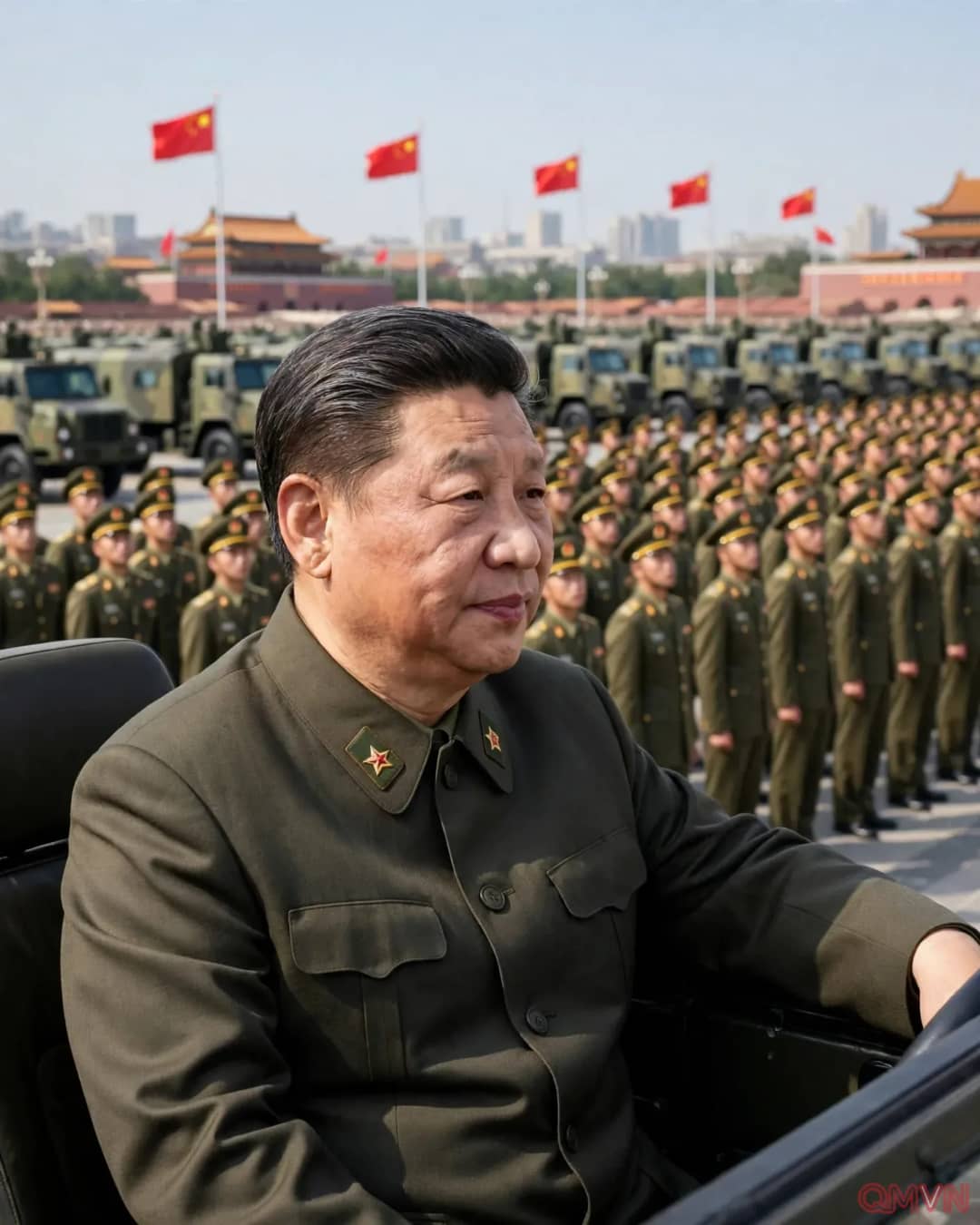
According to the author, China's top spot rests on its vast domestic market, large workforce, infrastructure and extensive supply chains. These help the country develop its scientific and technological capacity, strengthen its military and increase its influence in the world economy.
By contrast, his calculations show a gradual decline in America's relative strength and share of the global economy, citing structural imbalances, slower growth and debt pressures. He notes that the US pays more than $1 trillion a year in interest on federal debt.