MAIN CONTENT
A historic result, with certification still ahead
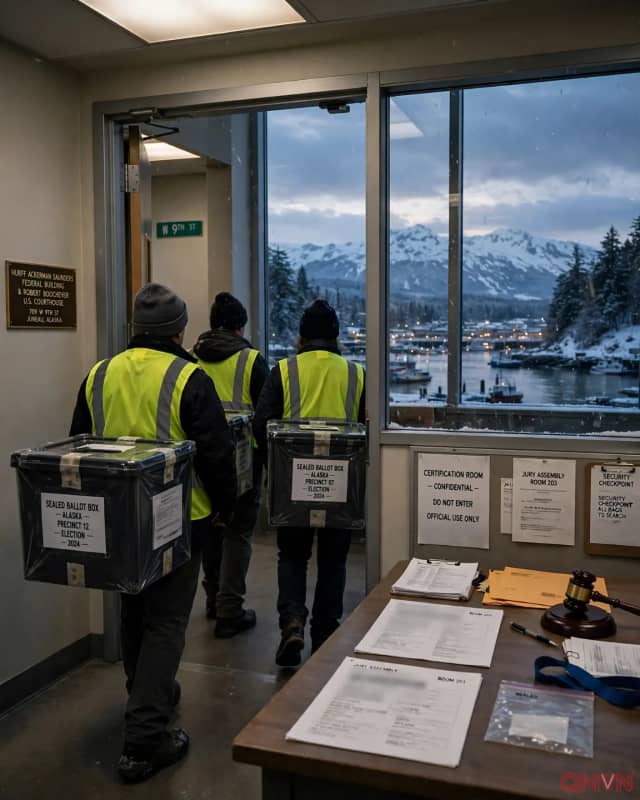
After days of counting absentee and questioned ballots, including votes from isolated communities, the Associated Press called the Alaska race for Jonathan Kreiss-Tomkins on November 13. At that point, returns showed him with roughly 50.8% of first-choice votes, ahead of Bernadette Wilson, former Anchorage mayor Dave Bronson, and former attorney general Treg Taylor. Passing a majority of first preferences meant that a ranked-choice redistribution was not expected to determine his election. An AP race call, however, is not the same as the state's official certification, which is scheduled for November 25.
At 37, Kreiss-Tomkins is set to become the youngest governor in Alaska's history. A former state representative from Sitka, he returned to electoral politics after leaving the legislature. The phrase 'first since 1998' refers to the last election won by a Democrat, Tony Knowles, who served until 2002. Bill Walker, who governed from 2014 to 2018, was elected as an independent. That distinction matters when interpreting how unusual, yet not entirely unprecedented, a cross-party coalition can be in Alaska.
A campaign about services people can actually feel
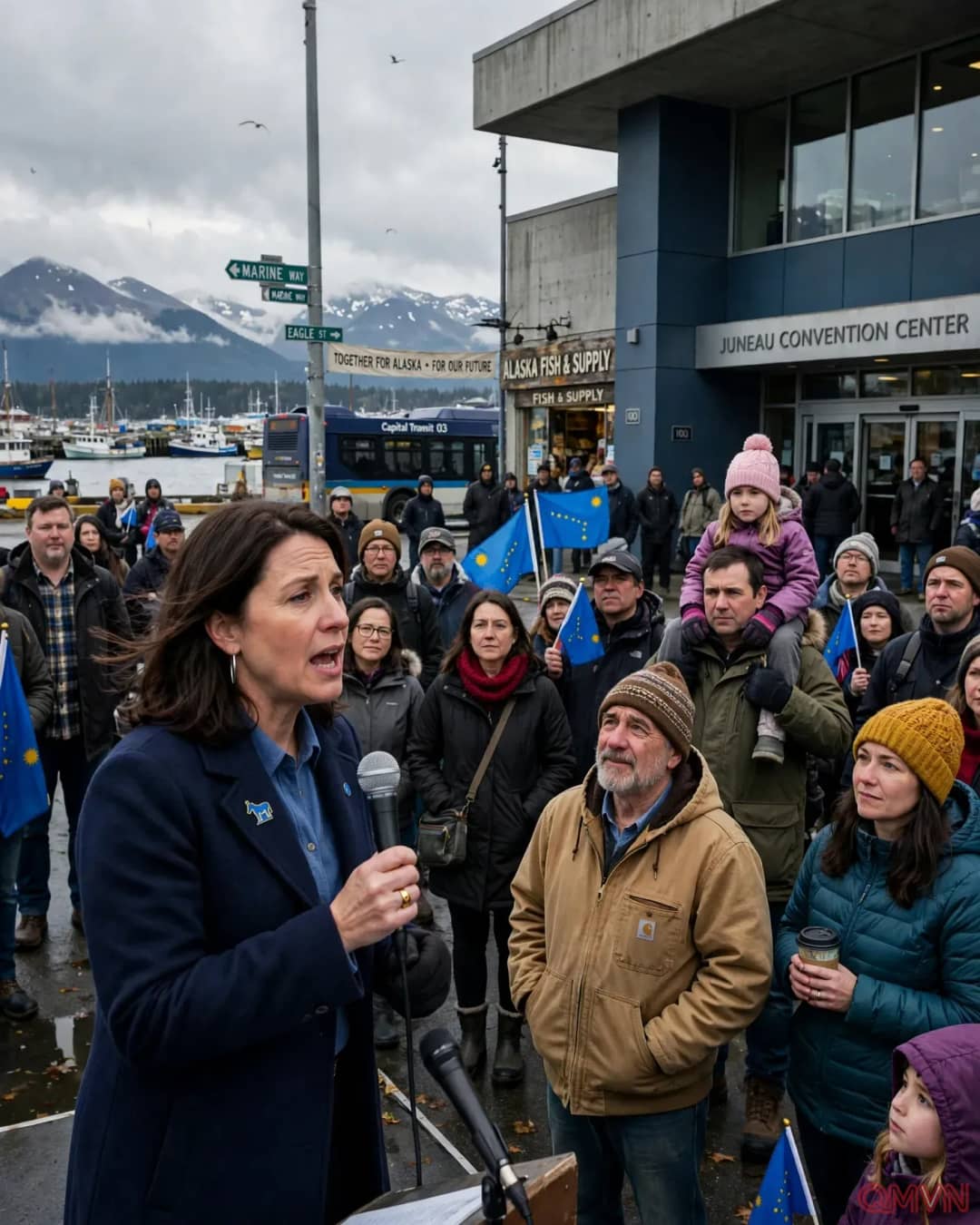
The election was not merely a referendum on national party loyalties. Public schools have faced rising costs without commensurate funding, while families confront high prices for housing, food and fuel. The state's marine highway, a crucial ferry connection for coastal settlements, has suffered years of criticism.