A warning that went unheeded
According to three Yemeni officials, in the weeks before the Houthis swept down to the coast, Lt. General Tareq Saleh realized they wanted to seize his territory to reach the Bab el-Mandeb Strait. He asked Saudi Arabia for air cover and the United States for electronic jamming of Houthi communications, but received little from either.
US officials said they had warned Riyadh for months about a resurgent Houthi threat and urged Saudi Arabia to unify the Yemeni government’s factions. Washington offered help with planning and intelligence but ruled out airstrikes. Why Saudi Arabia, equipped with American jets and bombs, did not intervene more forcefully remains unanswered; neither Riyadh nor the White House commented.
One night of collapse
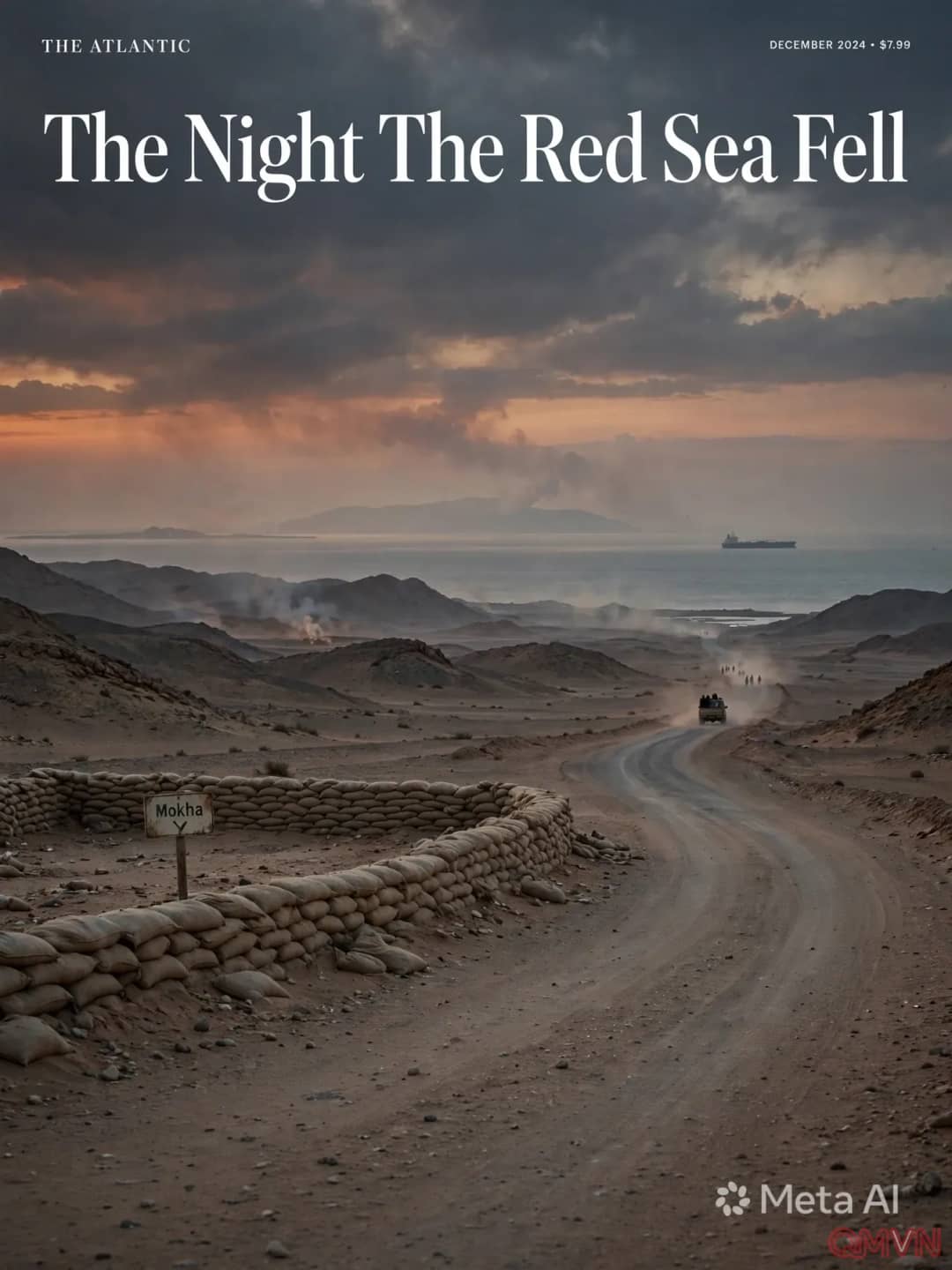
From August 9, the Houthis pounded the port of Mokha with missiles and drones to cut its supply line from the sea. On September 3, they launched a massive ground offensive. General Saleh’s forces claim the Houthis deployed nearly 80,000 fighters backed by Iranian advisers, a claim that could not be verified and that the Houthis deny. In the mountainous Kadaha area, split between two government factions whose commanders distrusted each other, the Houthis broke through.
Government forces held out for more than five days, but on the evening of September 9 their lines collapsed. Instead of regrouping, soldiers retreated all the way to Aden, abandoning the entire Red Sea coast. According to General Saleh’s group, at least 500 of his fighters were killed and more than 1,500 wounded; the Houthi toll is unknown. Mohammed al-Bukhaiti, a Houthi political official, credited the victory to military capabilities built over years of war and said: