Hearts racing with worry
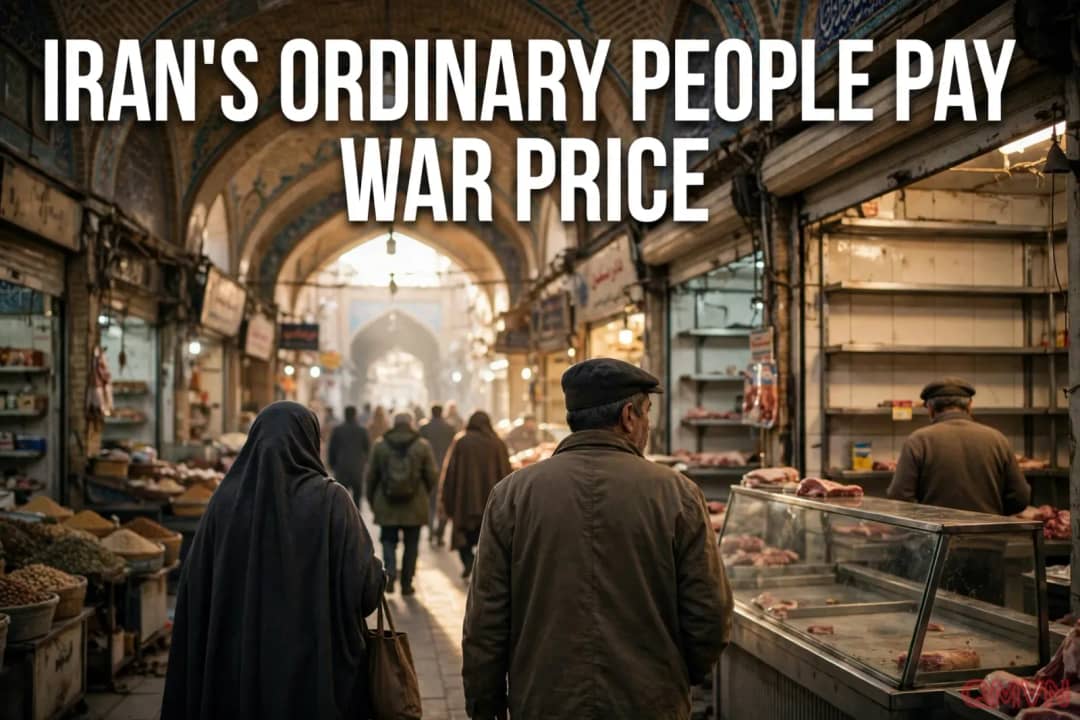
Every time he checks his bank account, Mehrdad’s heart races. The Iranian schoolteacher earns a salary worth about $100 a month, which disappears within days as inflation soars. He says he has developed palpitations whenever he thinks his mother might call asking him to buy something he cannot afford.
US sanctions and the naval blockade are meant to force the Islamic Republic to give ground in negotiations and end a war that has shaken global energy markets. But according to The Times, so far the only people who seem to be rethinking their choices are ordinary Iranians.
A currency losing value every week
The numbers show how deeply Iran’s economy has collapsed:
- The rial now trades at more than 2.7 million to the dollar on the open market, compared with just over 2 million at the end of August.
- Official rates put it at 1.5 million to the dollar in January, before the war, and 817,500 a year earlier.
- Inflation has doubled from 44 percent at the start of the year to nearly 90 percent in September, while oil exports are close to zero.
Dina Esfandiary, Middle East lead at Bloomberg Economics, describes a truly grim picture: soaring inflation, a crashing currency and a crisis felt every single day.
Daily life under strain
Mehroo, a pharmacist in Tehran, says the market is so unstable that no one has any certainty, neither buyer nor seller. She compares the feeling to having your arm swabbed with alcohol while the injection never comes, your muscles tensed as you wait for the pain.
You cannot plan for anything.
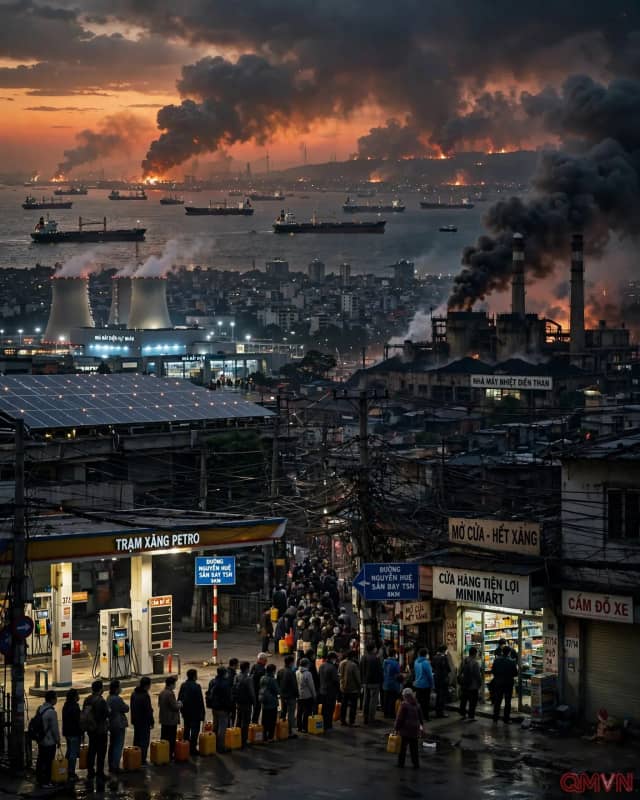
Many people have had to give up medications they can no longer afford, and meat has become a luxury. A beautician in the city of Rasht says women are returning to salons to have nail extensions removed to avoid paying for upkeep, while people now buy bread on credit at bakeries.
Millions of jobs have been lost as businesses closed and industries such as steel were destroyed in the war; those still employed face delayed salaries and pay cuts.
The blockade and Washington’s promise
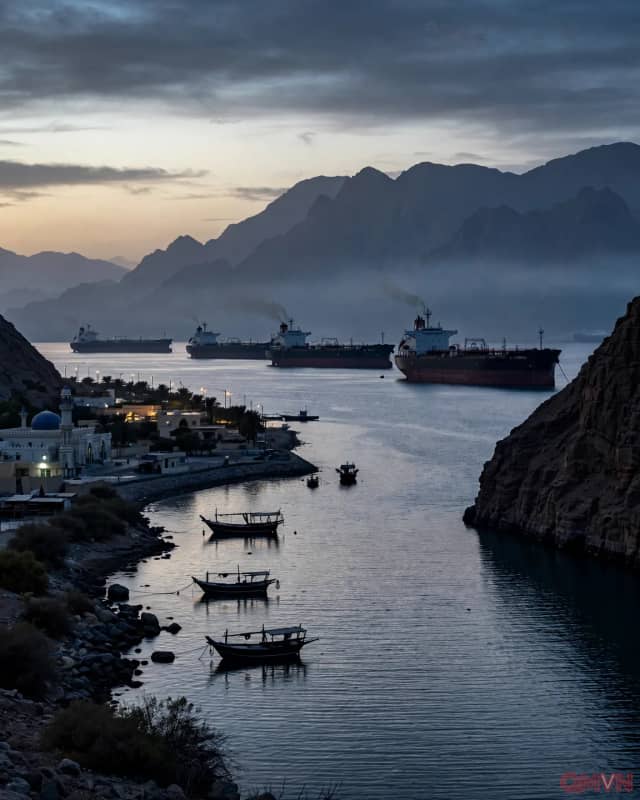
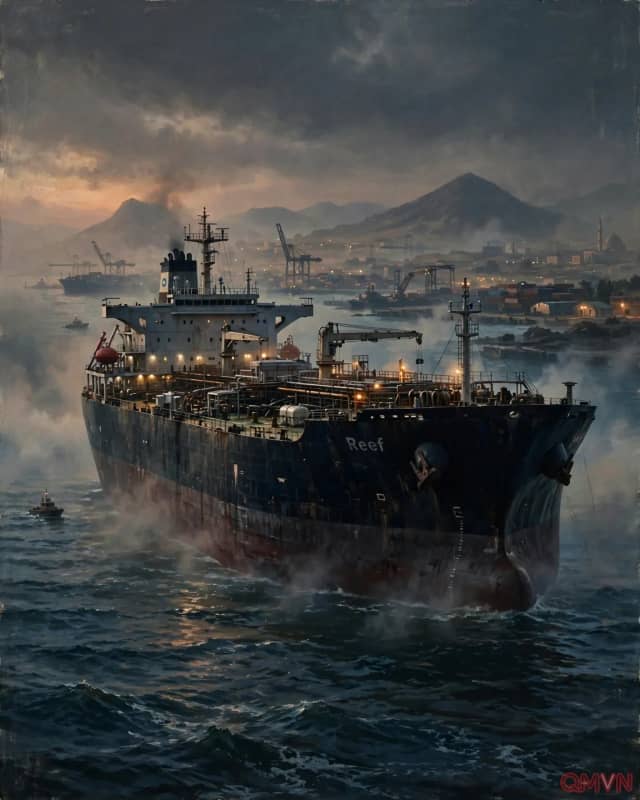
Trump has repeatedly claimed Iran is desperate for a deal. On Truth Social, he said productive discussions were continuing, that the blockade would remain fully in force, and that 22 million barrels of oil had passed through the Strait of Hormuz in a single night without a barrel coming from or going to Iran. He pledged not to attack Iran before the November 3 midterm elections, while also threatening to resume strikes afterward.
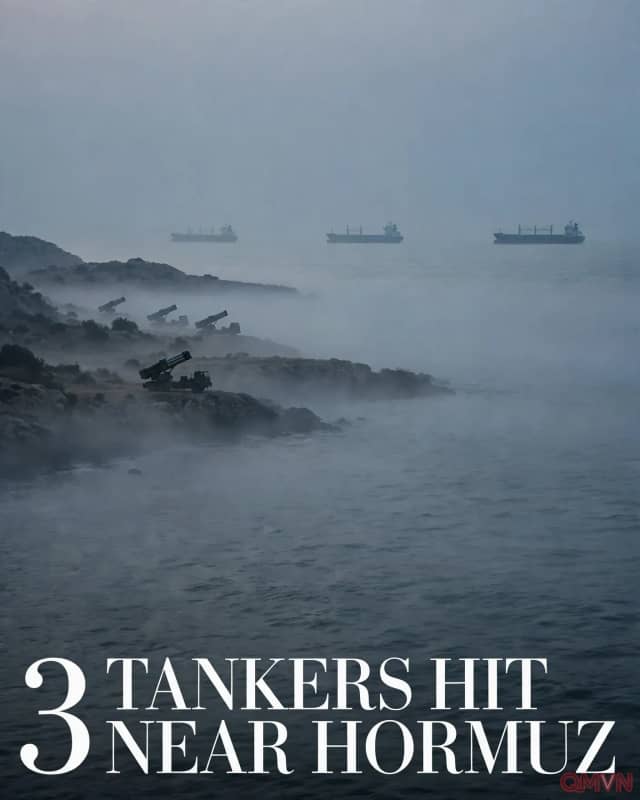
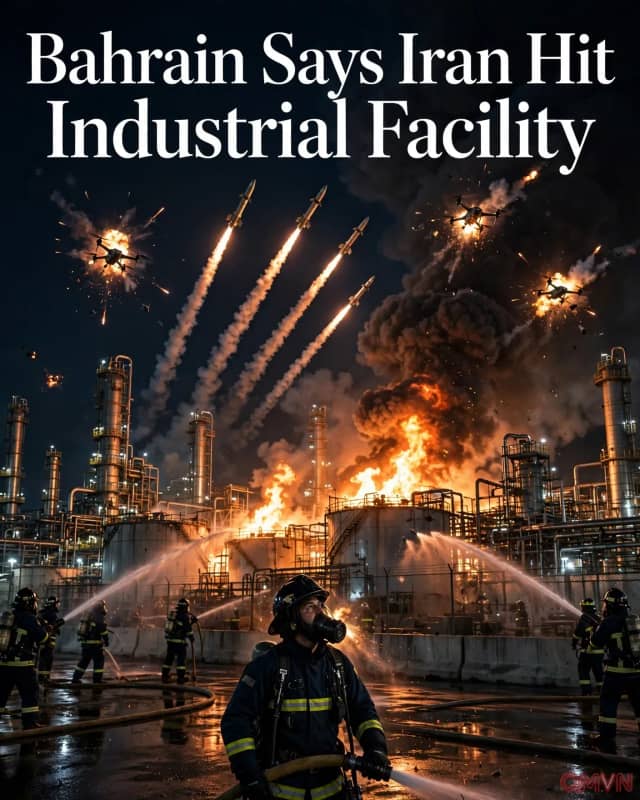
According to The Times, Tehran may have overplayed its hand. Choking off oil exports through Hormuz forced the United States and Israel to accept a ceasefire in June that could have led to sanctions relief, but Iran resumed attacks on shipping when it suspected Washington of trying to bypass the blockade. The US effort has largely succeeded, with Gulf oil exports nearing pre-war levels, even as Tehran’s Houthi allies in Yemen have struck Saudi oil installations.
A tug-of-war inside Tehran
Esfandiary says there is a push and pull between technocrats and hardliners inside the Iranian system. The hardliners focus solely on sustaining the war effort and outlasting the United States, leaving any economic crisis for the future to handle. More pragmatic figures warn that the country cannot bear the mounting costs of war; former President Hassan Rouhani has even suggested a referendum on whether the conflict should continue.
Esfandiary says that does not mean Iran will fold, because Tehran sees this moment as a matter of survival for the Islamic Republic. Ali Vaez, head of the Iran project at the International Crisis Group, argues that Tehran can either watch its leverage over Hormuz steadily erode or escalate enough to restore fear, gambling that it can improve its bargaining position before the US elections without triggering uncontrollable escalation.