MAIN CONTENT
The moment the legislative door closed
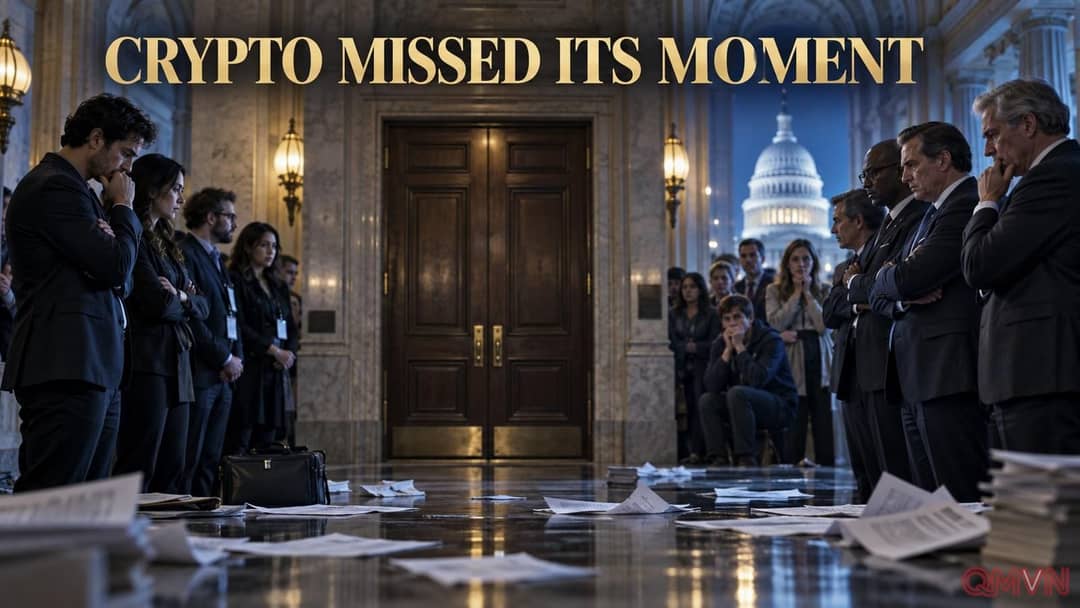
The Clarity Act was expected to define authority, duties and compliance paths for digital assets in the United States. In September 2026, however, it failed to reach 60 votes in a Senate procedural vote. A bill exceeding 600 pages could not turn broad agreement on the need for regulation into a coalition durable enough to pass.
Armstrong made 13 visits to Washington after the 2024 election and became the industry’s de facto political leader. In January he withdrew support over restrictions on stablecoin rewards and other provisions. He accepted a compromise in May, but opposed further concessions in June. “No bill is better than a bad bill.” - Brian Armstrong
Coinbase shares fell more than 10 percent after the vote, signaling fears that crypto’s path into mainstream finance had been delayed again. Their later 12 percent rebound after the SEC permitted tokenized-stock trading revealed the paradox: executive decisions can move the industry forward, but cannot replace a stable, lasting statute.