MAIN ARTICLE
A smaller grocery bill, a bigger policy shift
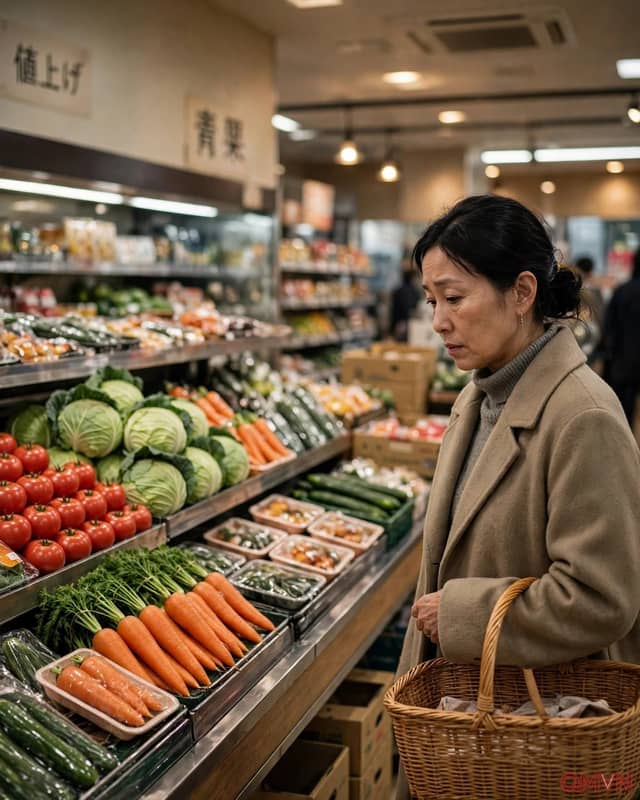
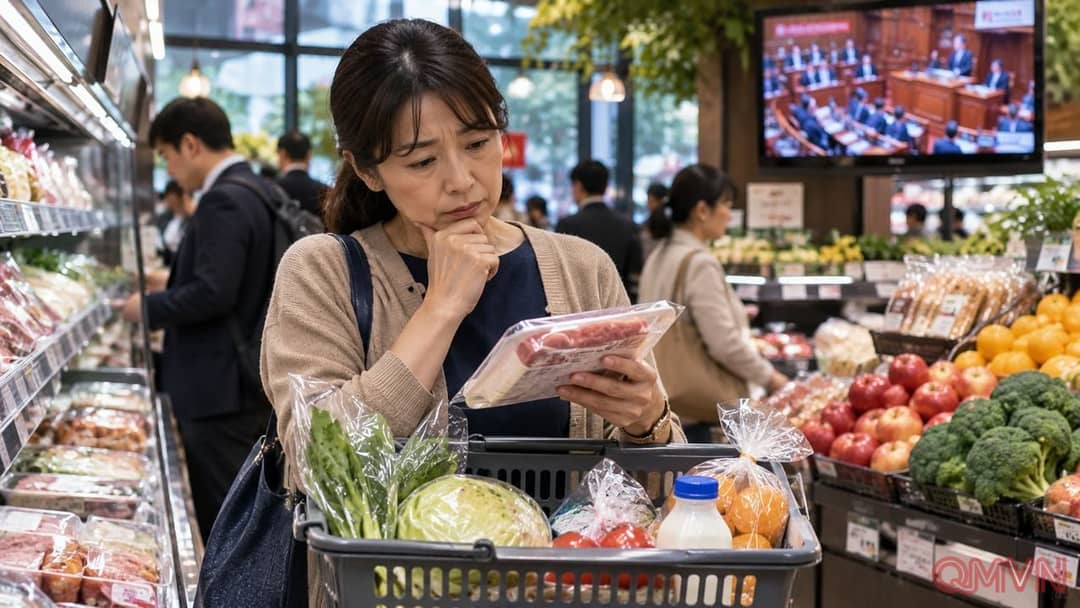
The striking feature of the proposal is not merely the 1% figure. Japan is seeking to use its consumption tax system directly to ease everyday expenses. If enacted, the rate on food and nonalcoholic drinks already covered by the reduced rate would fall from 8% to 1% on April 1, 2027, for two years. It would not abolish consumption tax altogether; the standard rate applying to many other goods and services remains a separate issue.
For a product costing ¥1,000 before tax, the tax charge would fall from ¥80 to ¥10. That means a potential saving of ¥70, provided the pretax price remains unchanged and the benefit is passed fully to consumers. Actual shelf prices will also reflect retailers’ decisions, supply costs and competition. A seven-percentage-point reduction in tax is therefore not a guarantee that every checkout total will fall by exactly seven percent.
The government sees the tax cut as a temporary bridge to a more targeted relief system planned for fiscal 2029. At the end of the two-year period, the food tax is expected to return to 8%. Households must therefore consider two different moments: the immediate reduction and the protections, if any, available once the original tax rate comes back.