MAIN ARTICLE
A ceasefire that has not become peace
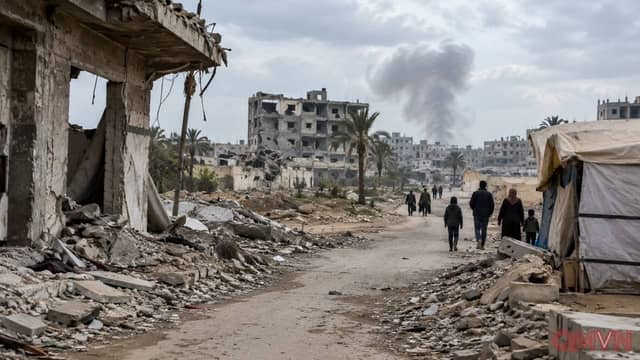
According to the Associated Press, the 20-point arrangement agreed in October 2025 initially achieved important results: large-scale combat subsided, the remaining hostages were released and aid access improved. But families were hoping for more than a reduction in fighting. They needed safe homes, functioning schools, drinking water and a credible path to recovery.
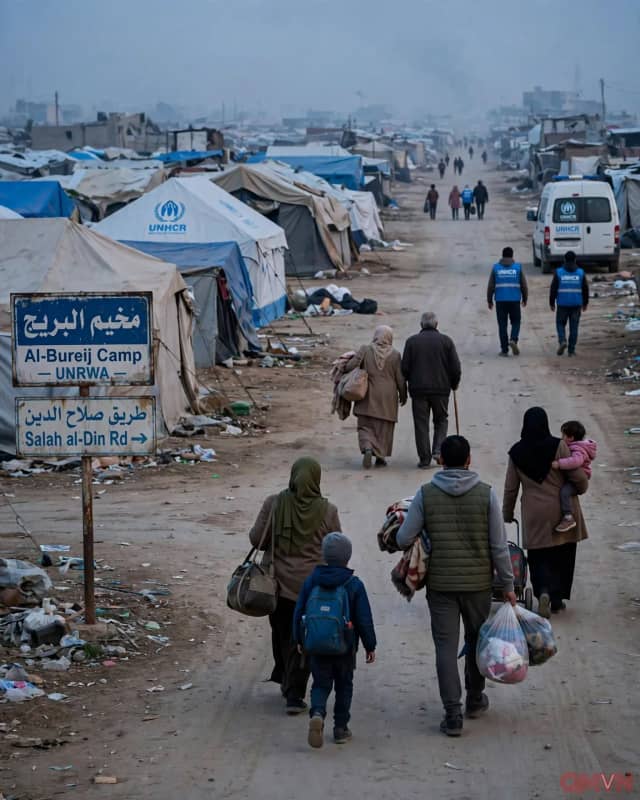
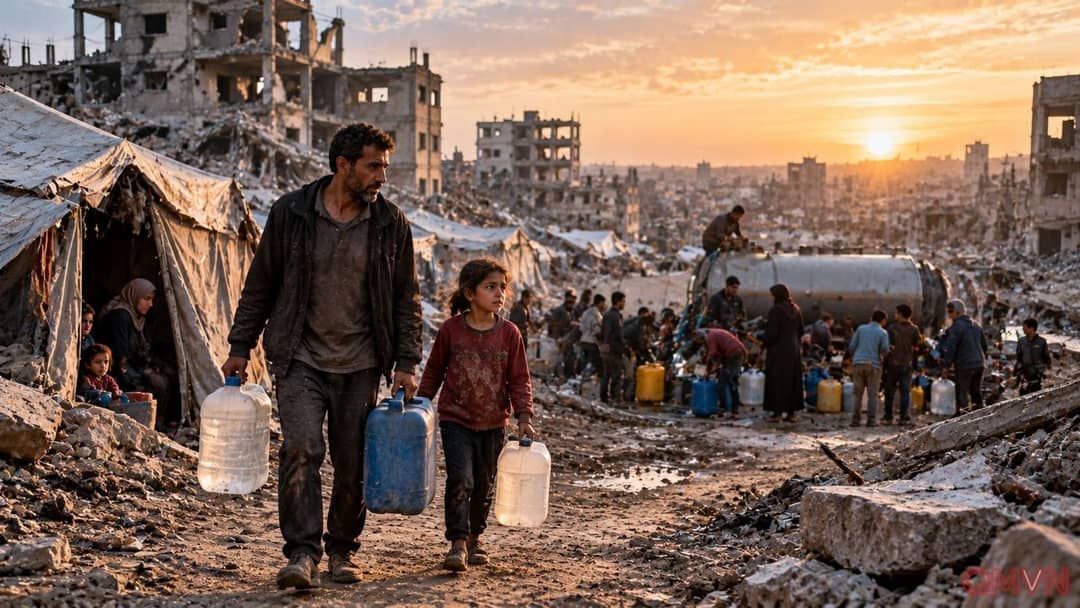
The United Nations humanitarian office, OCHA, reported in early October 2026 that roughly 279,000 people were sheltering at flood-prone displacement sites or in unsafe buildings. More than 2,300 structures requiring demolition were still occupied. Such conditions make clear that danger can persist even when the military tempo slows.
For residents in tents and cracked buildings, the approaching rainy season is not merely a seasonal concern. It tests whether the assurances made at the signing of the ceasefire have meaning in daily life.
The disarmament and withdrawal deadlock
The central disagreement concerns sequencing. Israel insists that Hamas surrender its weapons before troops pull back from occupied portions of Gaza. Hamas has accepted the principle of a phased disarmament process but links it to a simultaneous cessation of strikes and staged Israeli withdrawal.