MAIN BODY
The costs of waiting for consensus
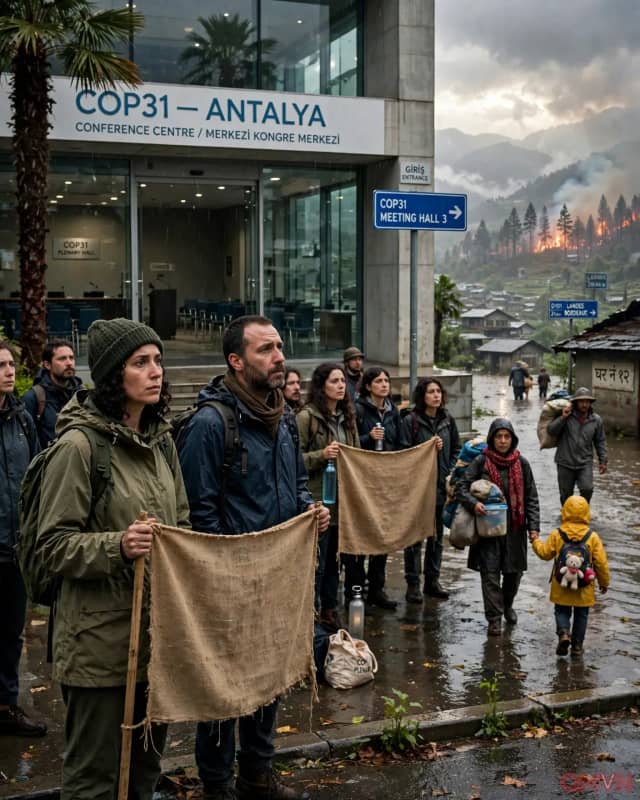
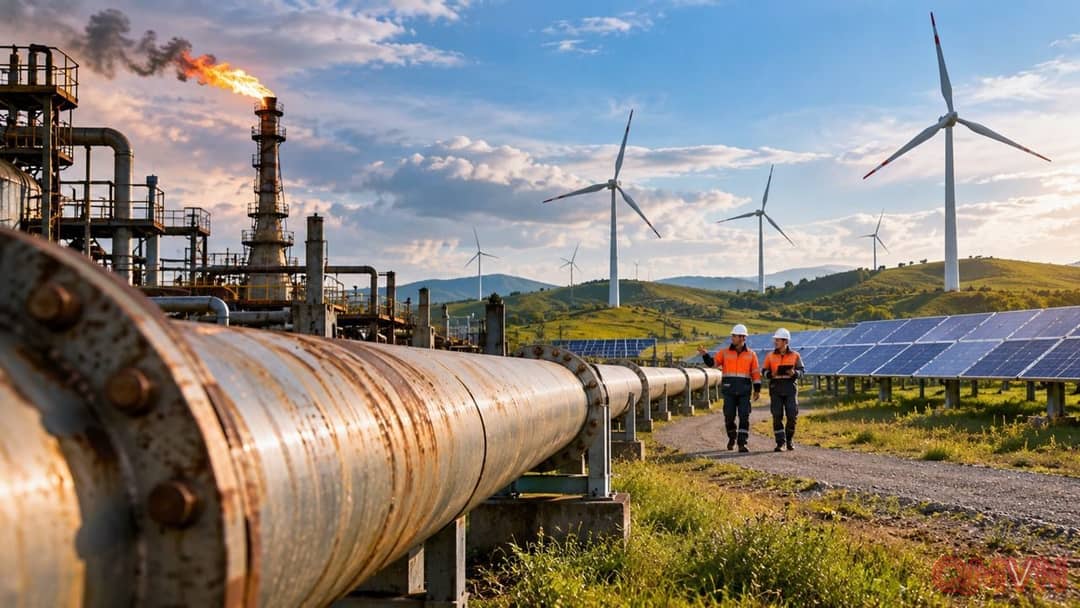
Consensus gives smaller and poorer countries a voice alongside major economies. It also means that deep disagreement can delay a common political decision. Oil-exporting countries have reasons to fear a rapid loss of revenue, whereas climate-vulnerable states face mounting costs from extreme weather. AP reported that disagreements over the treatment of fossil fuels were central to the Antalya breakdown. Neither the economic interests of producers nor the urgency of vulnerable countries disappears when negotiations end.
A failed summit therefore creates a dilemma: waiting for universal agreement can slow action, but abandoning the universal forum risks weakening the influence of countries with little bargaining power. The answer may lie in pursuing complementary mechanisms while preserving the shared rules of the Paris Agreement. Governments can act at home even when diplomatic negotiations stall.
Coalitions that turn ambition into practice
The conference on transitioning away from fossil fuels in Santa Marta, Colombia, in April 2026 offers one example. According to the German newspaper taz, 57 countries participated, including Germany, France and Brazil.