A trade gap becomes a diplomatic test
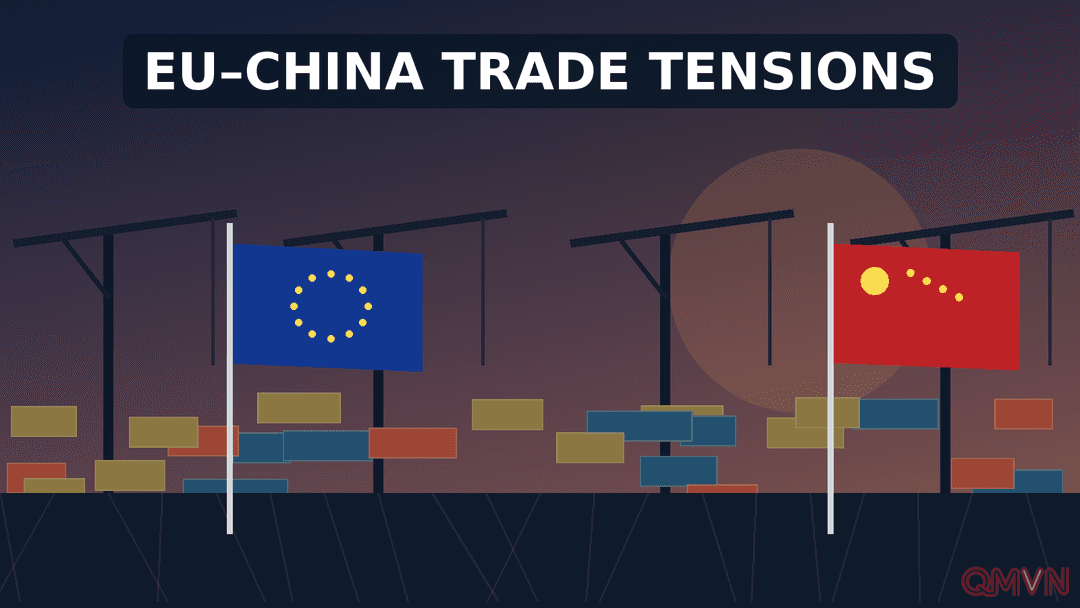
Šefčovič arrives in Beijing as the European Union increasingly treats its deficit with China as an industrial and political warning rather than an accounting curiosity. The roughly €360 billion annual gap amounts to nearly €1 billion a day. According to Chinese customs figures cited in international reporting, Chinese exports to the EU grew 15.3% during the first eight months of 2026, compared with 6.2% growth in imports from Europe. Those diverging numbers intensify the demand for a more balanced relationship.
Behind the statistics are factories, workers and complex supply chains. Higher US tariffs have prompted Chinese exporters to pursue sales in Europe and other markets, sharpening price competition. European policymakers fear this will accelerate pressure on industries that face higher production costs. Yet the scale of a deficit does not, on its own, establish that every imported product is unfairly subsidized or that every lost job was caused by trade.
Europe’s trade defenses come with limits
On October 7, the European Parliament backed a tougher approach by 454 votes to 86, calling for economic reciprocity and a proportionate response if China fails to open its markets. Policymakers in France and Germany have advocated stronger protective instruments, including discussion of the EU’s anti-coercion powers.