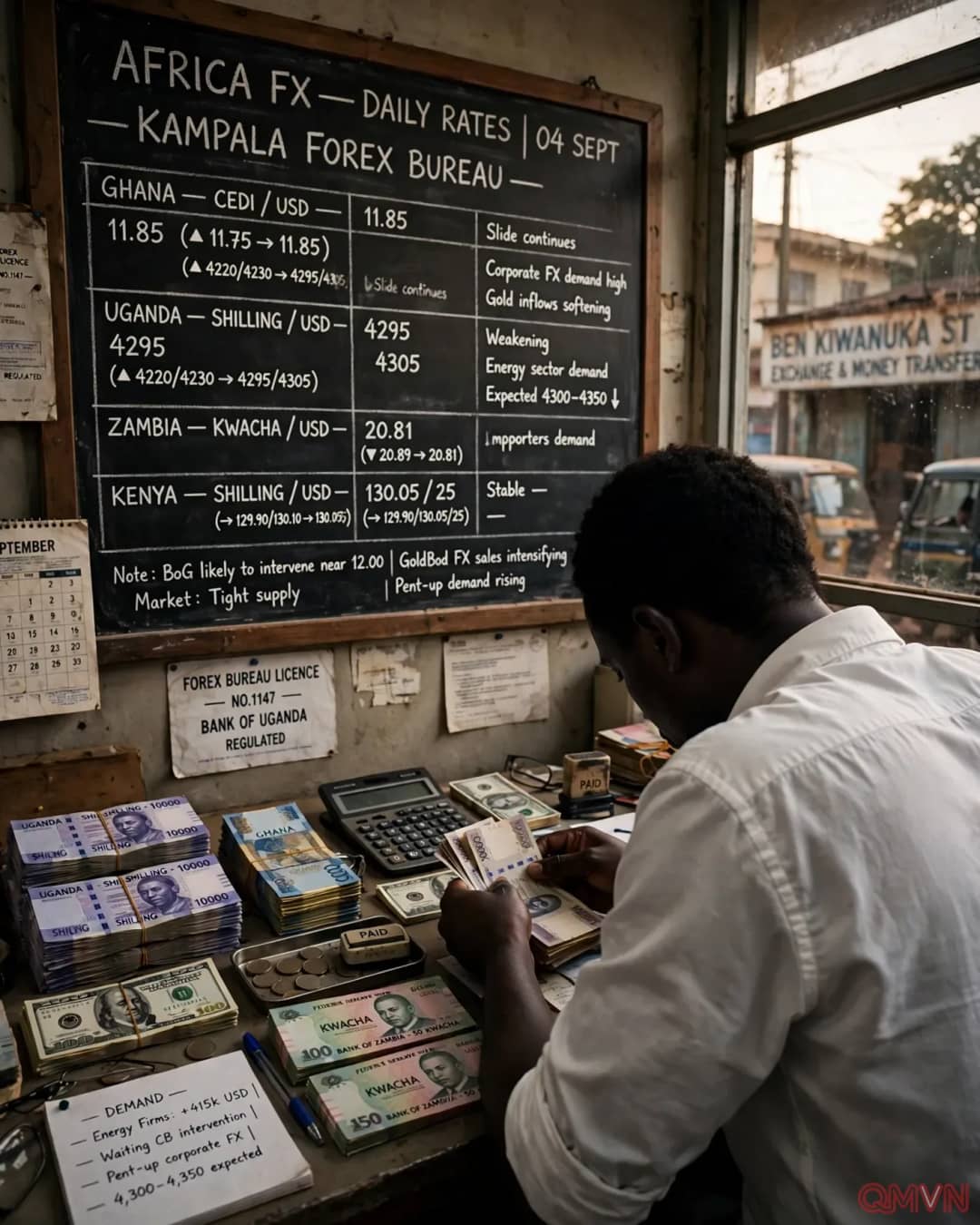
Ghana: a cedi edging towards the 12.00 line
The cedi's retreat has been gradual rather than dramatic, but its direction is hard to ignore. LSEG data showed the Ghanaian currency at 11.85 per dollar this week, down from 11.75 seven days earlier. Traders describe a market in which companies keep queuing for dollars to pay for imports, service foreign obligations and repatriate earnings, while supply fails to keep pace.
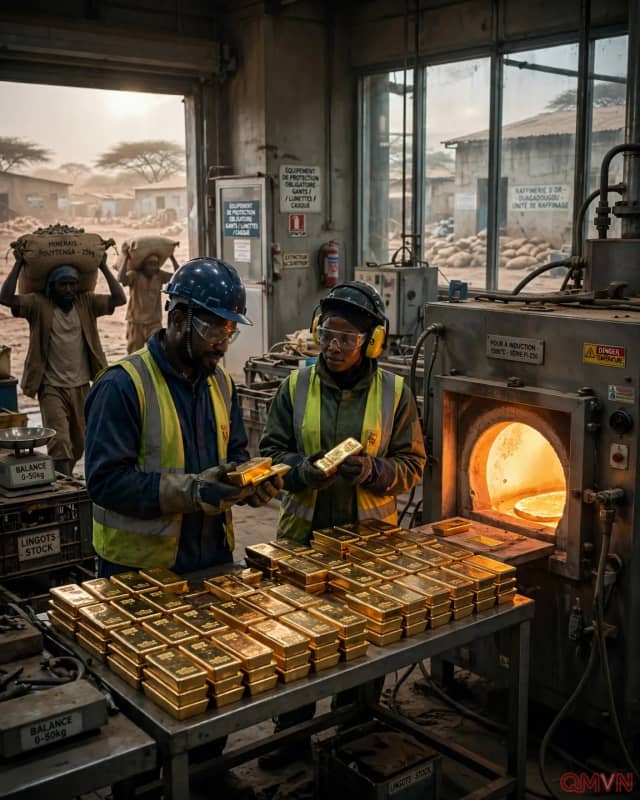
Gold, Ghana's great economic lifeline, has become part of the problem. Softer prices are trimming inflows from the mining sector; the Central Bank of Kenya's weekly bulletin recorded bullion falling to about $3,876 an ounce on November 12 from more than $4,087 a week earlier. At the same time, the Ghana Gold Board, known as GoldBod, which buys gold from artisanal and small-scale miners and sells the proceeds to banks, has released dollars in irregular bursts. Ronald Mensah, a trader at Stanbic Bank Ghana, said this stop-start pattern was deepening demand that had already been building up.
*“Near-term risks remain tilted towards further cedi weakness.” — Ronald Mensah*
Market participants nonetheless expect the Bank of Ghana to step in if the cedi approaches 12.00, smoothing volatility rather than fighting the underlying trend. GoldBod has promised scale: it said it sold $1.011 billion to commercial banks in October and targeted $1.2 billion in foreign exchange for November, with $800 million earmarked for banks. Whether those dollars arrive steadily may matter more than the headline figure.