MAIN CONTENT
A legal boundary for emergency action
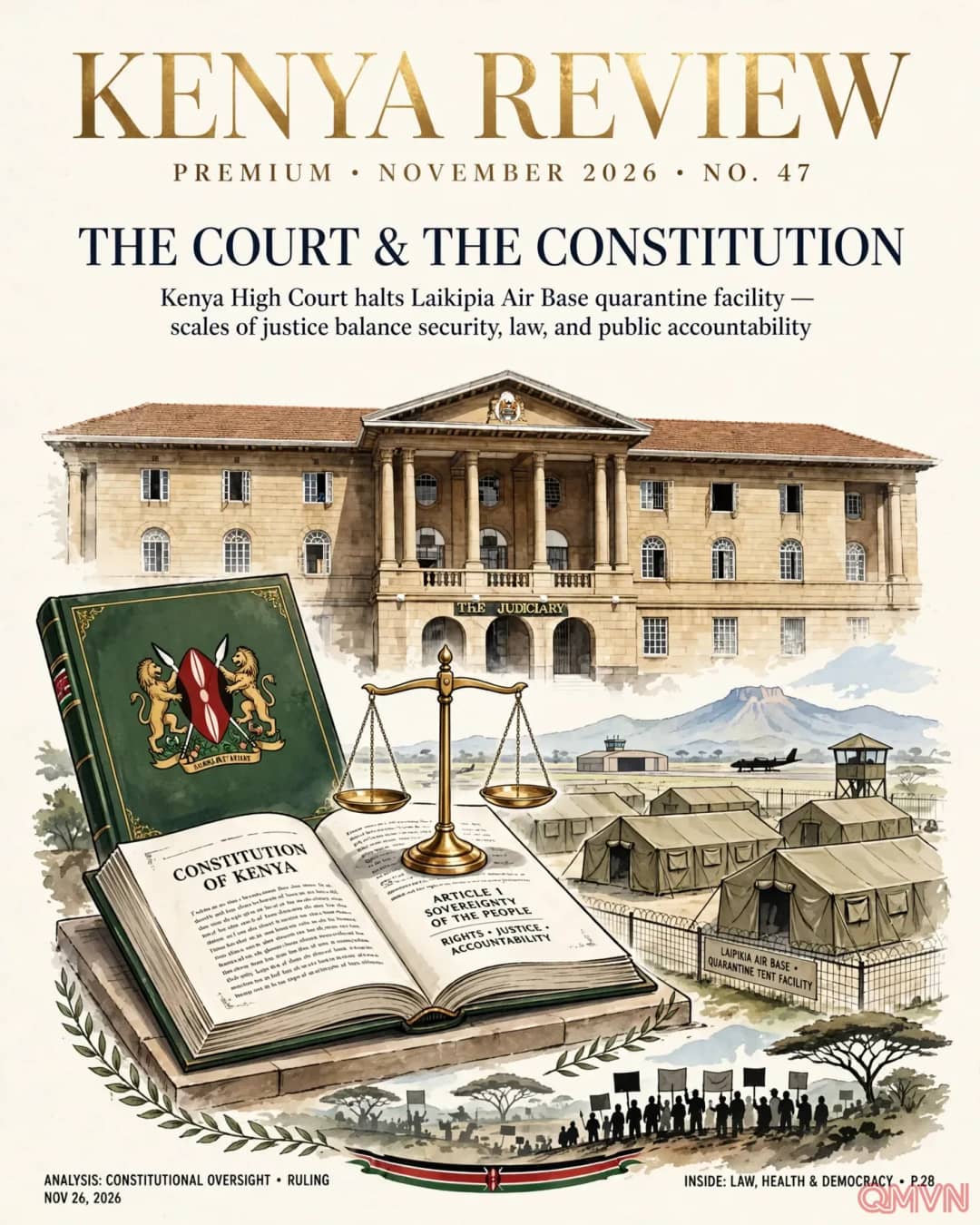
According to Associated Press, the court gave the government 45 days to disclose its agreements with Washington. The Katiba Institute, which brought the constitutional challenge alongside the Law Society of Kenya, described the judgment as a repudiation of the existing arrangement. The distinction between challenging a particular agreement and rejecting disease-control measures matters: the court addressed the way authorities made and implemented decisions, rather than declaring quarantine inherently unlawful.
A public consultation cannot guarantee that everyone will support a project. It can, however, expose practical questions before construction begins: how patients will be transported, who will oversee infection prevention, how local hospitals will be protected and what information residents will receive if circumstances change. When these questions remain unanswered, official assurances may have less persuasive power than intended. A transparent process also allows technical specialists to distinguish genuine risks from misunderstandings.
A partnership under scrutiny
The Kenyan government defended the project as part of its contingency planning for Ebola. President William Ruto said in June that he approved the initiative following a request from US President Donald Trump, referring to the long history of bilateral health cooperation.