MAIN CONTENT
Numbers reveal gaps in surveillance
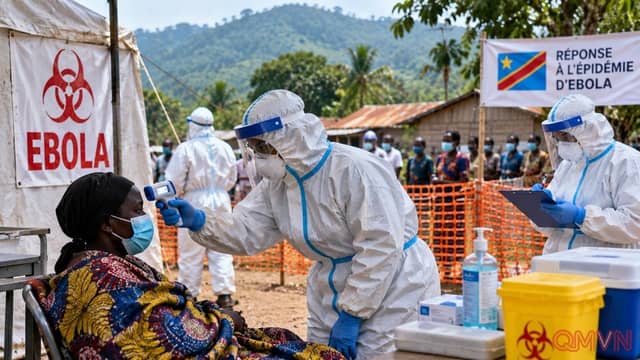
In its response plan published on November 25, Africa CDC reported that Congo had recorded 11,613 confirmed infections and 5,678 deaths by November 17, distributed across 68 health zones in eight provinces. The later figures illustrate the growing burden, although comparisons must account for differences in reporting dates and delays in confirming cases.
According to Africa CDC figures cited by Reuters, only around 15% of new cases in an earlier November assessment involved contacts already known to health officials. That low proportion raises questions about how effectively transmission chains are being identified. Reuters satellite imagery analysis also suggested that deaths in two severely affected areas could be substantially undercounted, but did not establish a definitive revised total. More complete surveillance is needed to understand the epidemic rather than merely count its visible consequences.
Conflict weakens the first line of defence
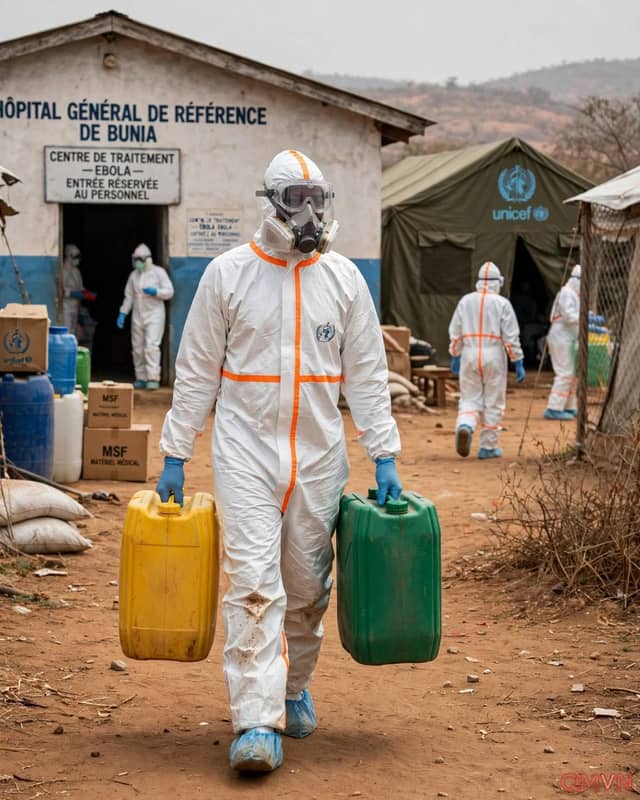
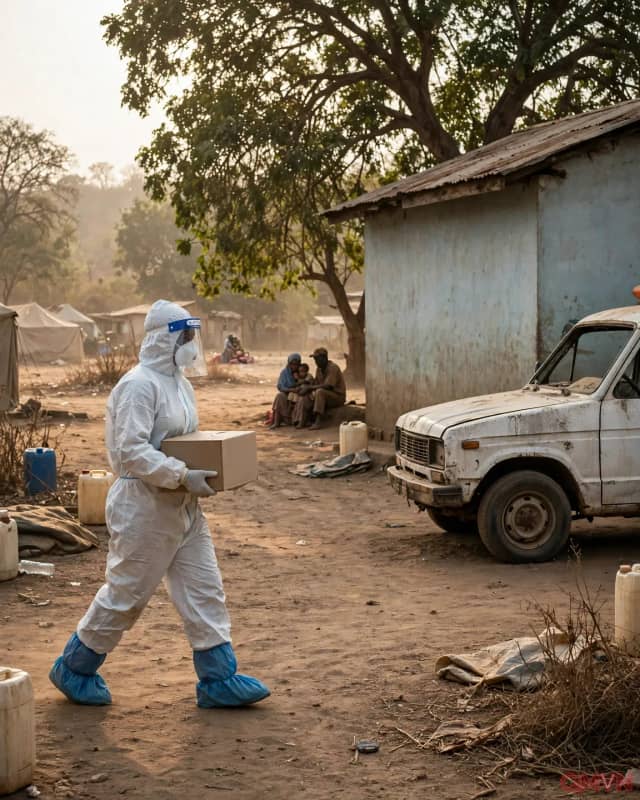
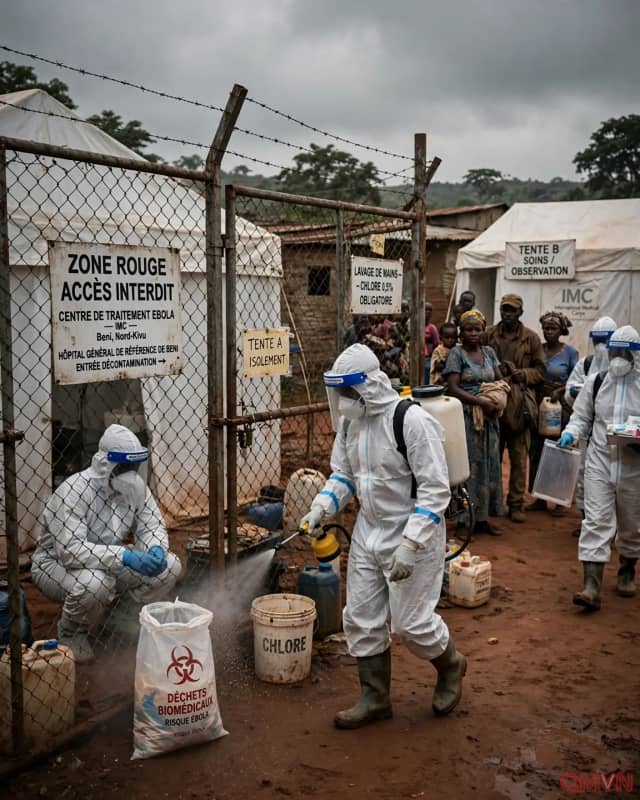
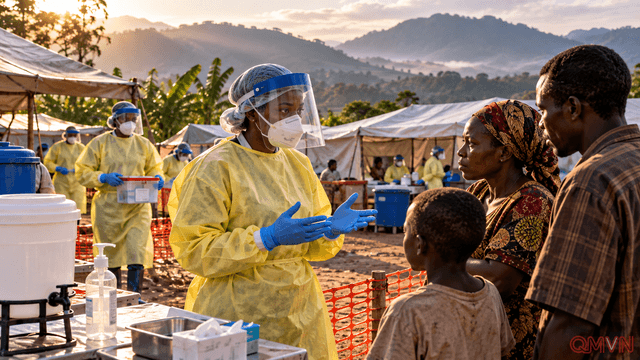
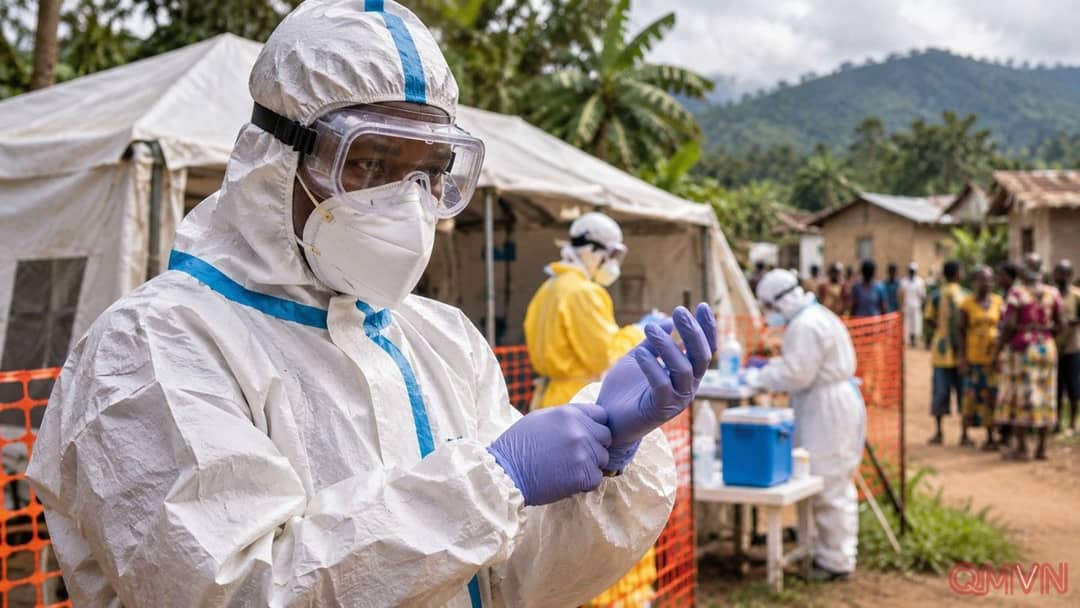
Associated Press reported on November 26 that intensifying fighting in eastern Congo had forced Ebola response workers to evacuate affected areas. When teams cannot reach communities safely, diagnostic sampling, patient transport and follow-up of contacts can all be interrupted.