MAIN ARTICLE
The personal treat that can wait
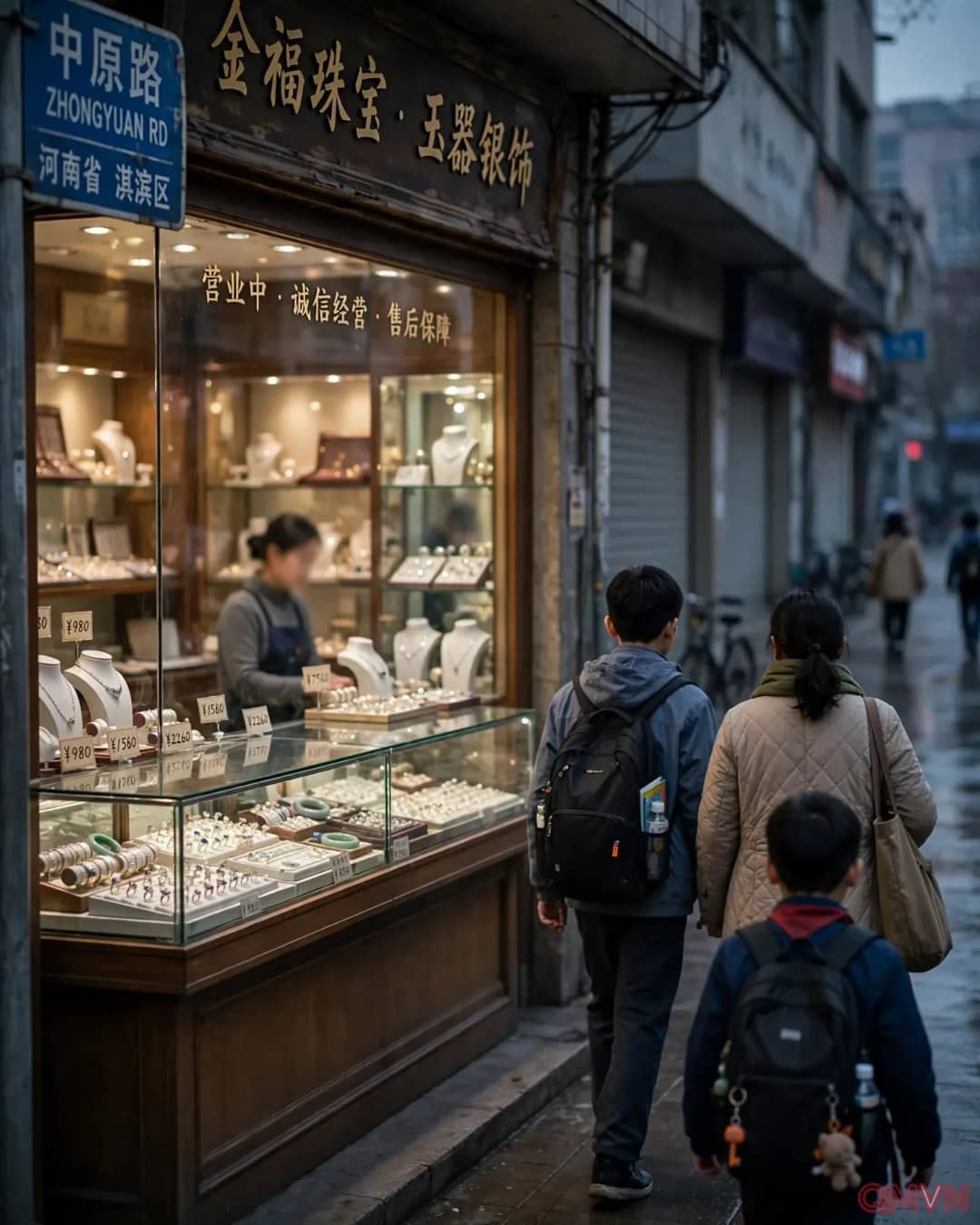
Tang Fang, a 46-year-old consumer profiled by the South China Morning Post, used to buy one or two pieces of jewellery a year. This year, with her third son entering primary school and orders slowing in her sales business, she has put that ritual aside. Her affection for beautiful, shiny objects has not disappeared. School costs and less predictable income have simply moved higher up the household agenda.
That distinction matters. Demand for an object can remain emotionally strong even when a customer decides not to buy it. Unlike groceries, a bracelet is usually a discretionary purchase. A modest deterioration in confidence can therefore produce a disproportionate drop in sales of products associated with celebration, identity and reward.
What the latest figures actually measure
China's National Bureau of Statistics reported that overall retail sales rose just 0.4% from a year earlier in October, while the category covering gold, silver and jewellery fell 28.7%. These are changes in retail sales value, not a count of items purchased. Pricing, volumes and shifts between expensive and inexpensive products can all affect the figure.