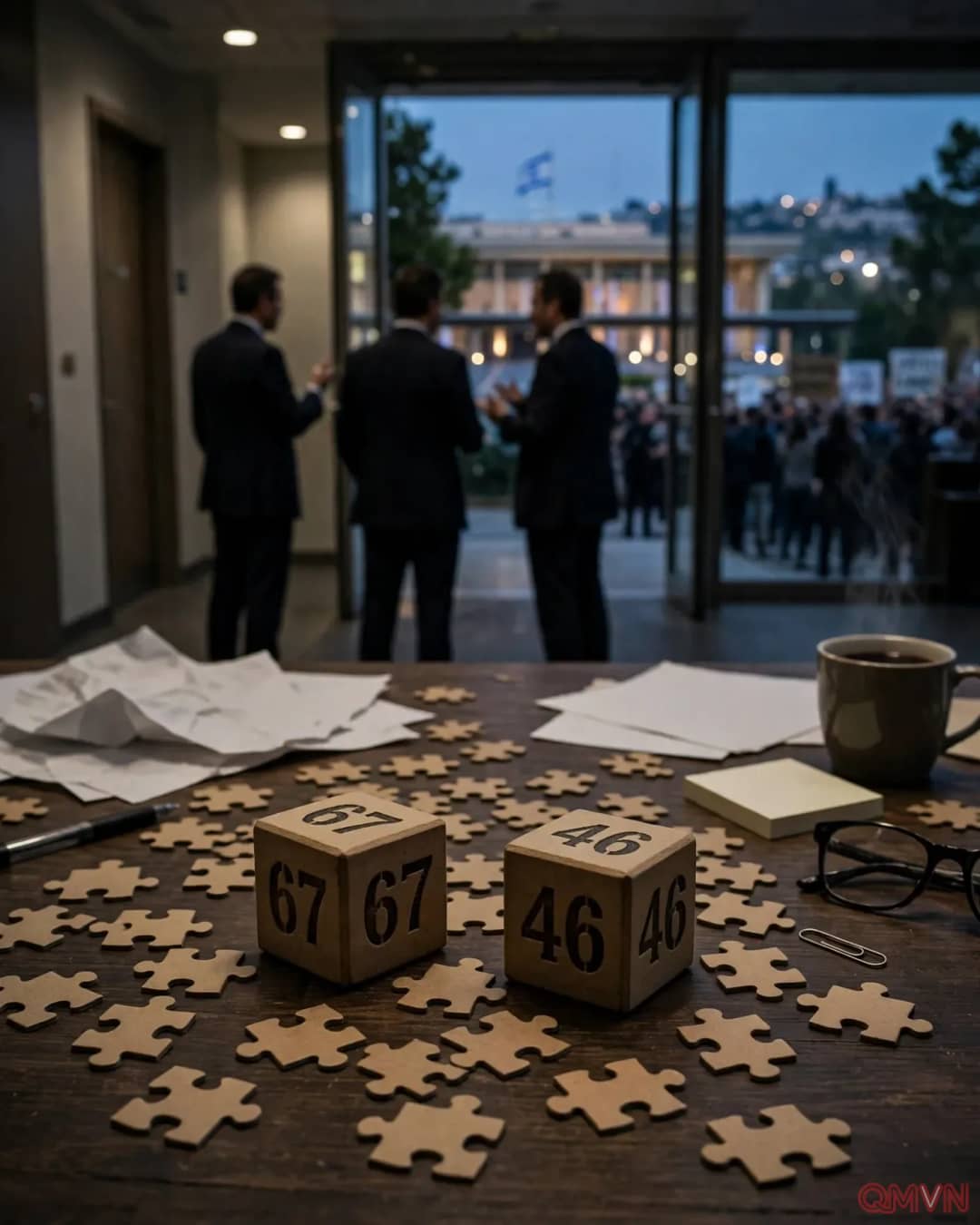
A majority on paper, a coalition still unfinished
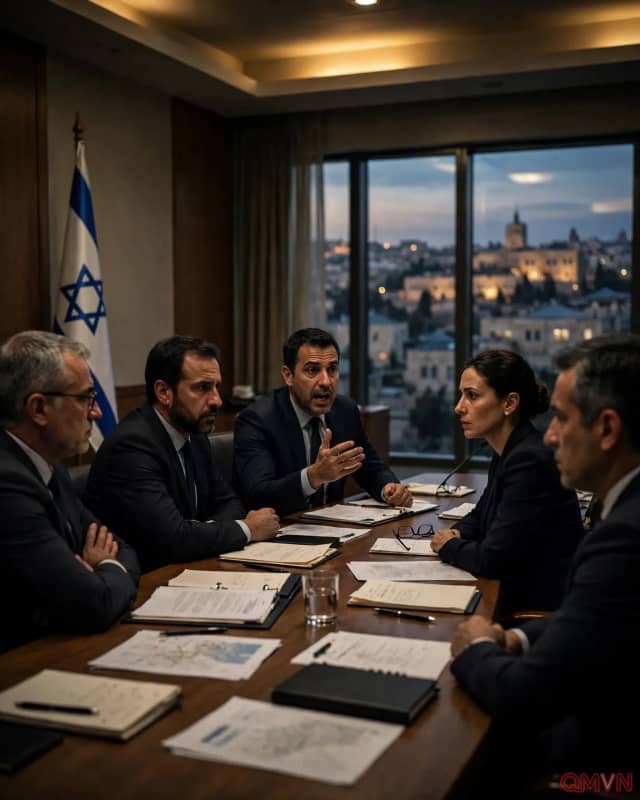
According to CNN's analysis, Eisenkot holds a clear numerical advantage: 67 seats, well above the 61 needed. But Israeli politics has never been simple arithmetic. The six parties backing him span the right, centre, left and Arab parties, and not all of them are willing to sit at the same table.
For decades, Netanyahu was known for keeping his allies in line even when they disagreed. Eisenkot has never faced that test. Although he is surrounded by veteran politicians such as Naftali Bennett, Yair Lapid and Yair Golan, the big question is whether he can turn an anti-Netanyahu alliance into a government capable of governing together.
The minority government gamble
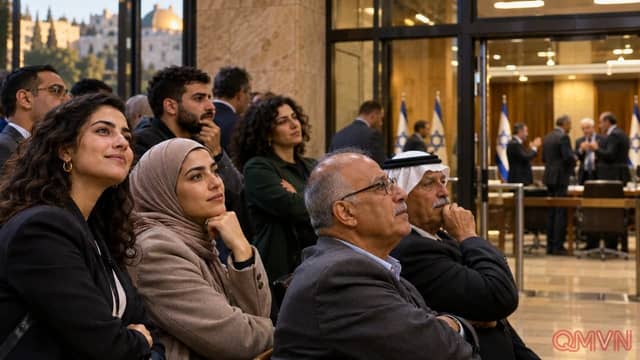
Eisenkot's plan is a minority government of four Jewish opposition parties with a combined 48 seats: his own Yashar, Together led by Bennett and Lapid, Liberman's Yisrael Beiteinu and Golan's Democrats. The two Arab parties, the Joint List and Raam, would stay out of the cabinet but guarantee a parliamentary majority in exchange for policy concessions.