Three “New Frontiers” in Need of Common Rules
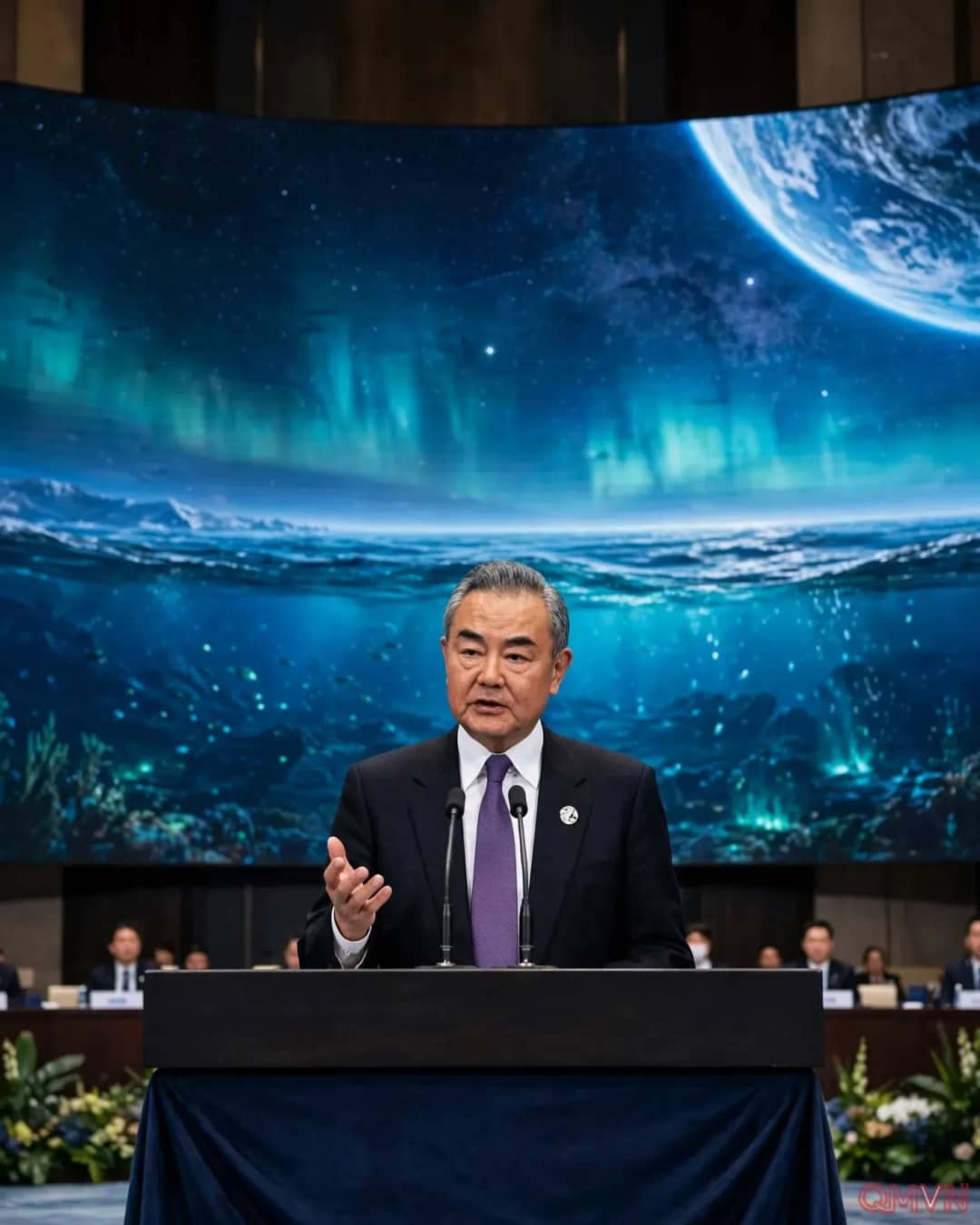
At the opening ceremony in Xiongan New Area, Hebei province – which Beijing calls a “city of the future” – Wang argued that humanity’s shared spaces lack rules strong enough to stop competition from turning into conflict. The three domains he named are all places where strategic interests and legal gaps intersect:
- The deep sea, home to strategic mineral deposits and the focus of a heated debate over mining.
- The polar regions, where melting ice is opening new shipping routes and resources.
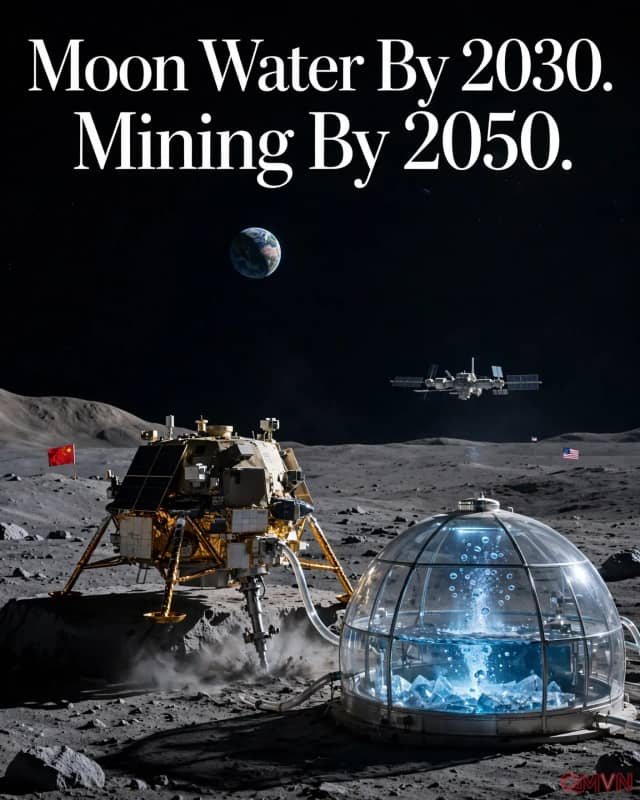
- Outer space, where satellite numbers are soaring and the race to return to the Moon is intensifying.
China has offered to host the secretariat of the Agreement on Marine Biological Diversity of Areas beyond National Jurisdiction in Xiamen. Disputes, however, remain unresolved: in 2025, the United States pushed to license seabed mining under national law rather than waiting for the International Seabed Authority, while in orbit the US-led Artemis Accords and the China-Russia lunar research station project are forming two parallel systems.
Artificial Intelligence Must Stay in Human Hands
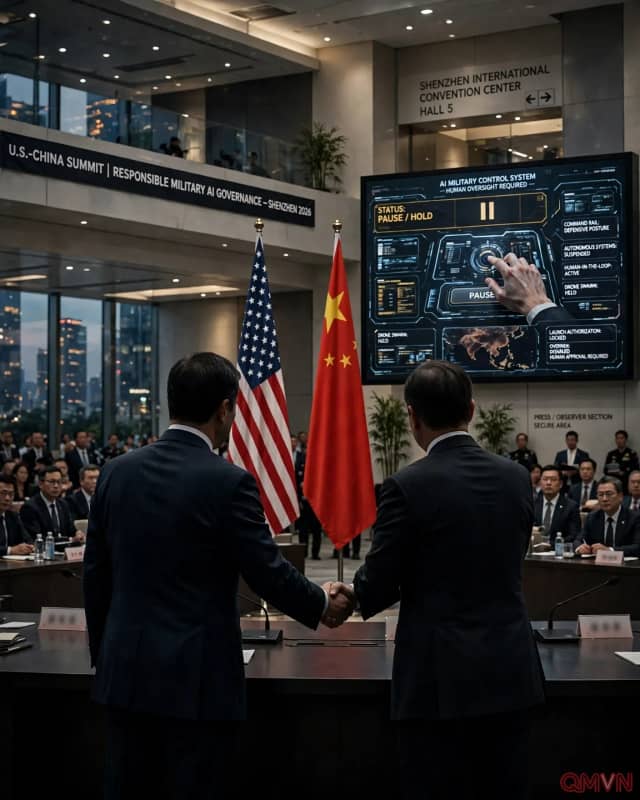
Beyond physical spaces, Wang turned his attention to an invisible “frontier”: artificial intelligence. AI, he said, should remain under human control and be used for the benefit of humanity.
The message follows the World AI Conference and the High-Level Meeting on Global AI Governance that China hosted in Shanghai in July, as Washington and Beijing compete fiercely over chips and AI models.
The Global South and a Fairer Order
The political centrepiece of the speech was the assertion that the rise of the Global South is the most momentous shift the world has seen since World War Two. Wang called for developing countries to have greater representation in international institutions and reiterated that the multilateral trading system must be safeguarded at a time of rising tariff barriers.
Global governance is a common endeavor that bears on the well-being of all humanity, and building a just and equitable global governance system is a shared vision long pursued by people from across the world.
Wang made those remarks in June, when China released a white paper titled “More Just and Equitable Global Governance: China’s Principles, Proposals and Actions”, laying the groundwork for the Xiongan forum.
Diplomatic Ambition and Differing Views
The forum is part of the Global Governance Initiative proposed by Xi Jinping last year. Beijing sees the current system as deficient and has set up a “Group of Friends of Global Governance” with more than 60 member countries in New York, Geneva and Vienna. China is also hosting this year’s APEC Economic Leaders’ Meeting.
Supporters, mostly in Africa, Asia and Latin America, welcome efforts to bring developing countries’ voices to the table. Many Western governments and analysts, by contrast, suspect that Beijing aims to rewrite international rules to suit its own interests, and point to the gap between its calls for respecting international law and China’s conduct in territorial disputes such as those in the South China Sea.
Whichever view one takes, the question raised at Xiongan remains valid: who will write the rules for the lands, seas and orbits that belong to no one – and will those rules be fair enough for every nation to follow?