MAIN STORY
What the 5% figure really says
The PPI tracks changes in the prices manufacturers receive at the factory gate; it is distinct from the consumer price index. China’s National Bureau of Statistics reported on October 14 that September PPI rose 5% from a year earlier and 1.2% from August. The average rise for the first nine months was 2.3%. Such numbers mark a break with years of factory-price weakness, but the headline masks substantial differences between sectors.
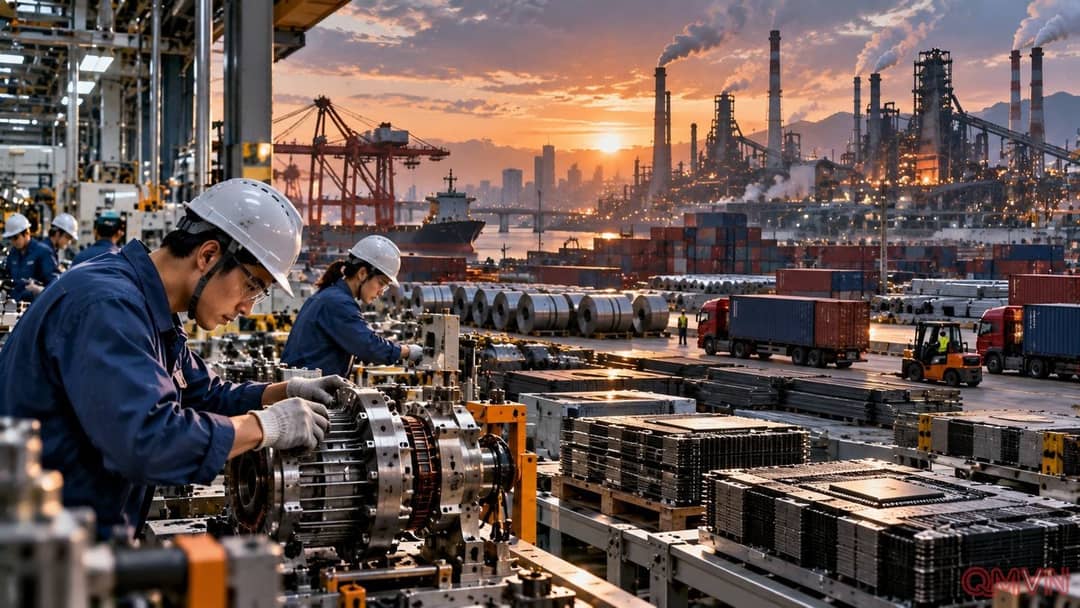
Prices of production materials increased 6.5% year on year while prices of manufactured consumer goods edged down 0.1%. Mining and quarrying prices soared 25.4%, raw materials rose 9.4%, and processing industries recorded an increase of just 3.4%. This uneven spread indicates that higher input costs have not translated into comparable pricing power throughout supply chains.
Imported inflation and the squeeze on margins
Global energy disruptions and more expensive metals have lifted costs for Chinese producers. Factory input purchasing prices rose 6.9% year on year in September, exceeding the 5% increase in factory selling prices.