MAIN ARTICLE
A natural cycle unfolds on a warmer planet
El Niño develops as waters in the central and eastern equatorial Pacific become warmer than usual, disrupting atmospheric circulation and changing rainfall patterns far beyond the ocean. Scientists are watching the 2026 event because of its extraordinary strength. In its September seasonal update, the World Meteorological Organization projected a mean Niño 3.4 temperature anomaly of roughly 3.6°C for September through November, with intensification likely to peak around November and December.
Yet one ocean temperature index cannot predict the outcome of every storm or drought. Local weather is shaped by monsoons, terrain, the Indian Ocean and other climatic oscillations. Human-generated greenhouse gases have raised the underlying temperature; El Niño alters where atmospheric heat and moisture are distributed. Those forces can reinforce one another, although determining the role of either in a particular disaster requires a separate scientific attribution study.
Island water stress and displacement risks in East Africa
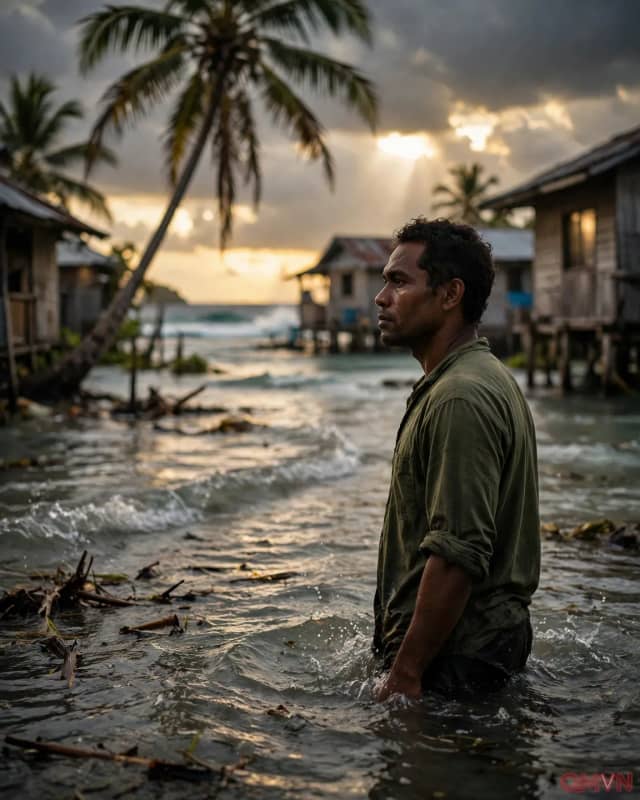
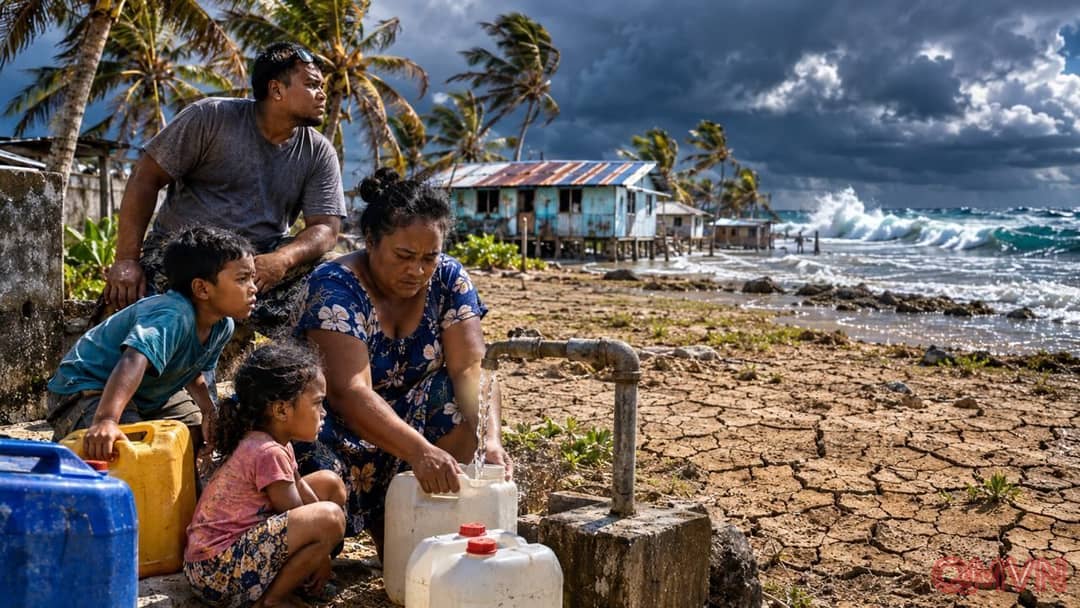
In the Marshall Islands, the struggle for freshwater illustrates how climate threats accumulate rather than arrive neatly one by one. Drought diminishes the rainfall on which atoll communities depend, while higher seas and saltwater intrusion put wells, homes and infrastructure at risk.