MAIN STORY
An opening, not a confirmed summit
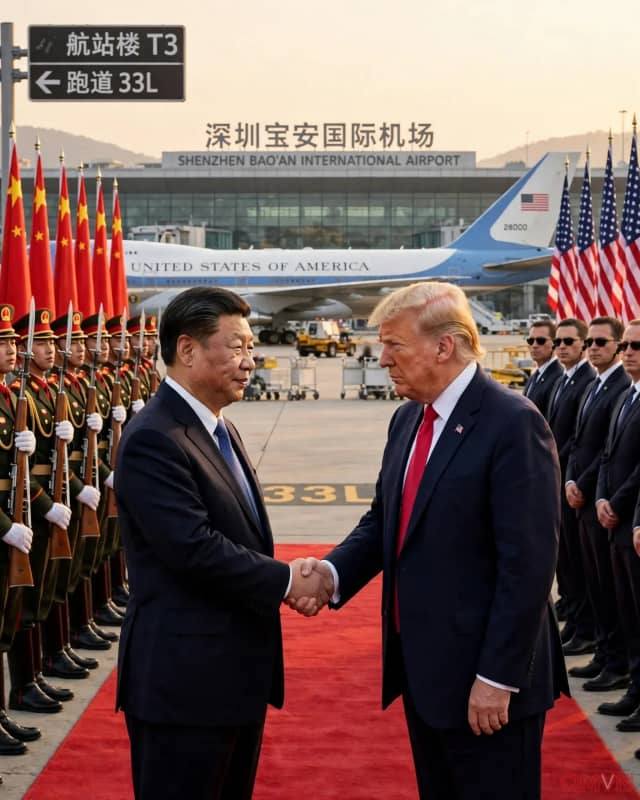
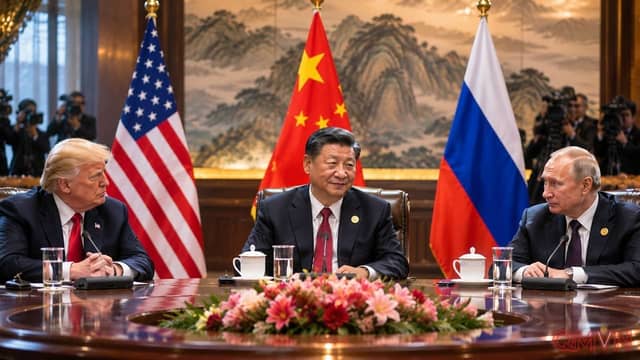
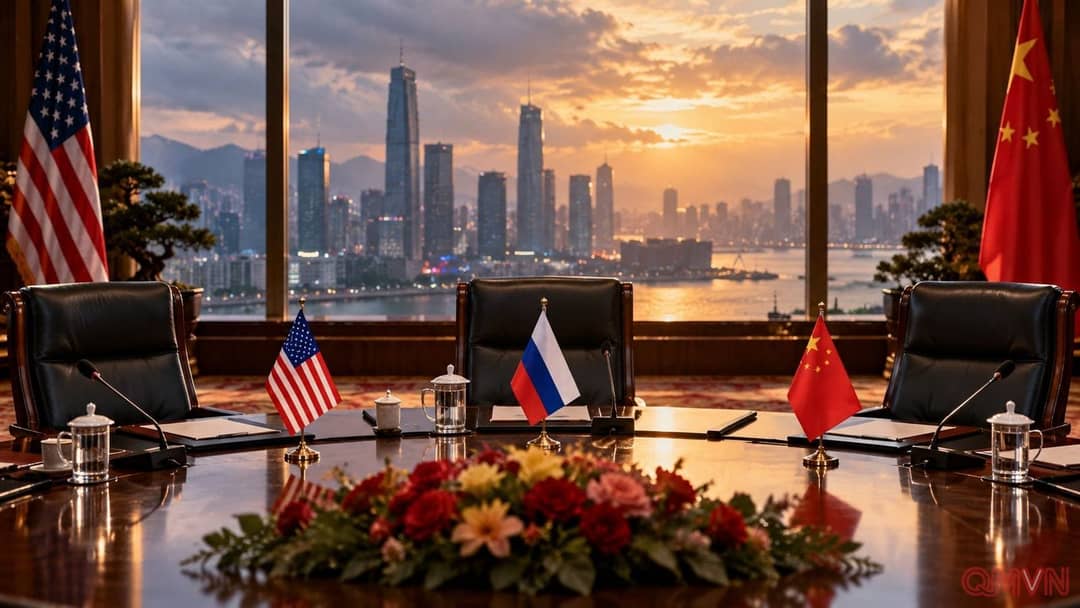
According to Reuters and NHK, Trump responded positively when asked whether he would meet the Russian and Chinese leaders, provided they were willing. He portrayed dialogue on nuclear issues among the three countries as potentially beneficial for the world. Public openness, however, is not the same as confirmation of a date, negotiating format or agreed agenda.
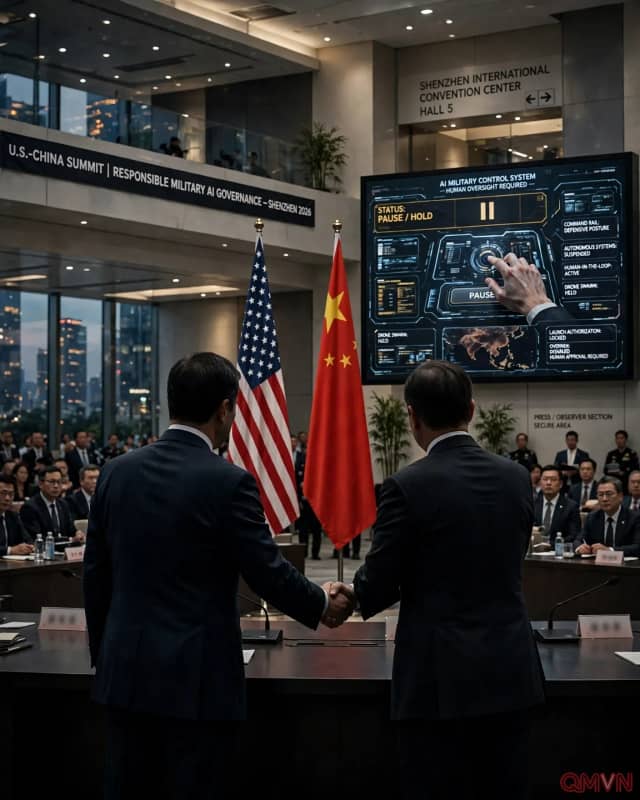
The proposal is surfacing as China prepares to host APEC leaders in Shenzhen. APEC is primarily an economic cooperation forum, not an arms-control institution. A meeting held on its sidelines would therefore carry a diplomatic purpose quite different from the official summit programme.
US reporting has associated Moscow’s proposed gathering with possible discussions of Ukraine. Trump, by contrast, has emphasised nuclear issues. That divergence is a reminder that three governments may approach the same table with very different expectations.
Nuclear arms: shared risks, unequal arsenals
The expiration of the US-Russia New START treaty has intensified questions about the future of strategic arms limits. The Arms Control Association estimates that Russia and the United States each possess more than 5,000 nuclear weapons, compared with more than 600 for China. This asymmetry is a central obstacle to a trilateral framework.