From payment revolution to collapse
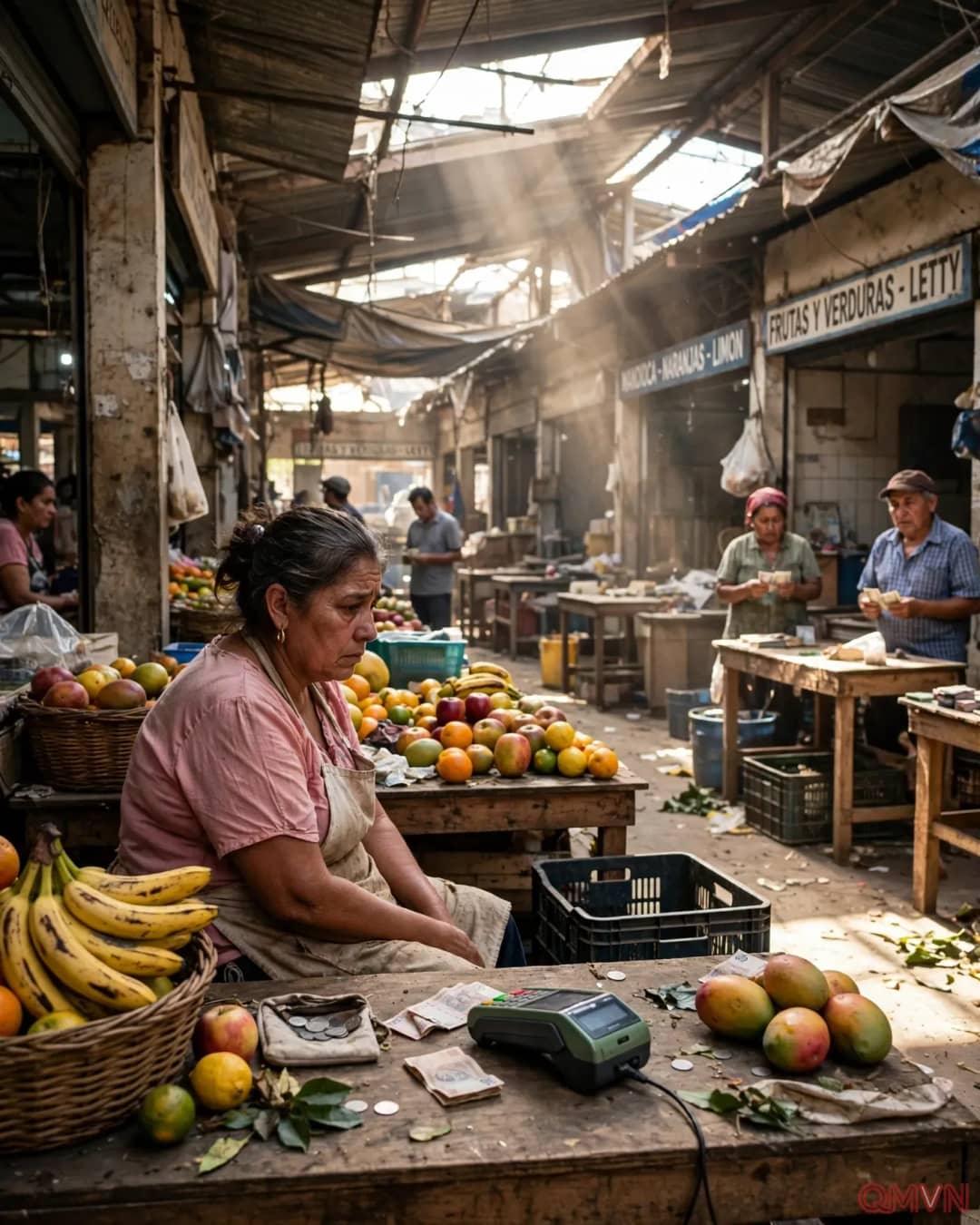
Founded as a fintech in 2021 and licensed as a bank in 2023, Ueno marketed itself as Paraguay's leader in financial inclusion, in a country where informal work accounted for 60% of employment last year. Simple account opening, cashback incentives and deposits outside banking hours drew in fruit sellers, electronics dealers and clothing vendors who had always dealt in cash. Leonardo Ojeda, president of the Mercado 4 Merchants Association, said the market's economy moved in an incredible way as a result.
Suddenly this happened and everything fell apart.
Quiroz, a 60-year-old clothing seller who has worked at the market for more than three decades, said most traders lost a lot of money. Once-crowded aisles have emptied as vendors scramble for alternatives: some are opening accounts at other banks, others are returning to cash, which leaves them exposed to theft, and some are still waiting for their funds.
Three million customers locked out
The central bank's board decided on November 2 to intervene after concluding that Ueno lacked enough capital to cover the risks of loans it had made to companies connected to it; its solvency ratio had fallen below half the legal minimum. The key facts of the collapse: