MAIN REPORT
From neutrality to a renewed conservative consolidation
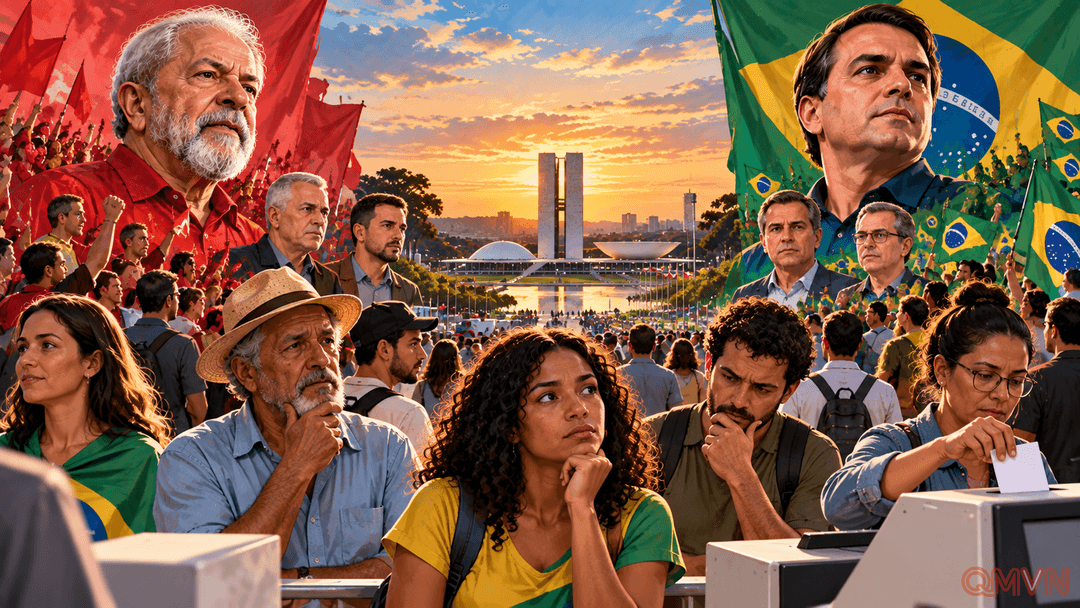
The story after the first round was not only Bolsonaro’s lead of more than 2.2 million votes. It was also the reluctance of the defeated candidates to immediately transfer their political capital. Augusto Cury, the self-help author who campaigned on reducing polarization, declined to direct his voters toward either finalist. Renan Santos, an aggressive economic liberal who had attacked both Bolsonaro and Lula during the campaign, likewise rejected both choices.
Ronaldo Caiado and Romeu Zema also initially appeared cautious, creating the impression that almost every candidate to Lula’s right preferred distance from Flávio Bolsonaro. That picture quickly changed. Reuters later reported that Caiado and Zema endorsed Bolsonaro for the runoff, illustrating the pressure on conservative politicians to close ranks once the election became a binary choice.
Those endorsements matter even though neither man performed strongly in the presidential count. Caiado retains a political network in Goiás, while Zema governed Minas Gerais, a state of more than 20 million people that often functions as an electoral bellwether. Local mayors, legislators, donors and party organizations linked to them may be more valuable in the final three weeks than their personal vote totals suggest.