MAIN CONTENT
When informal practice defeats written policy
An unwritten rule need not be issued as an order. It may involve preferential treatment for a patron’s associates, a tacit expectation of favors, or an informal gatekeeper whose approval matters more than an official procedure. Such arrangements survive because participants have incentives not to disclose them. Over time, they can diminish the credibility of selection criteria and divert public resources from their stated purpose.
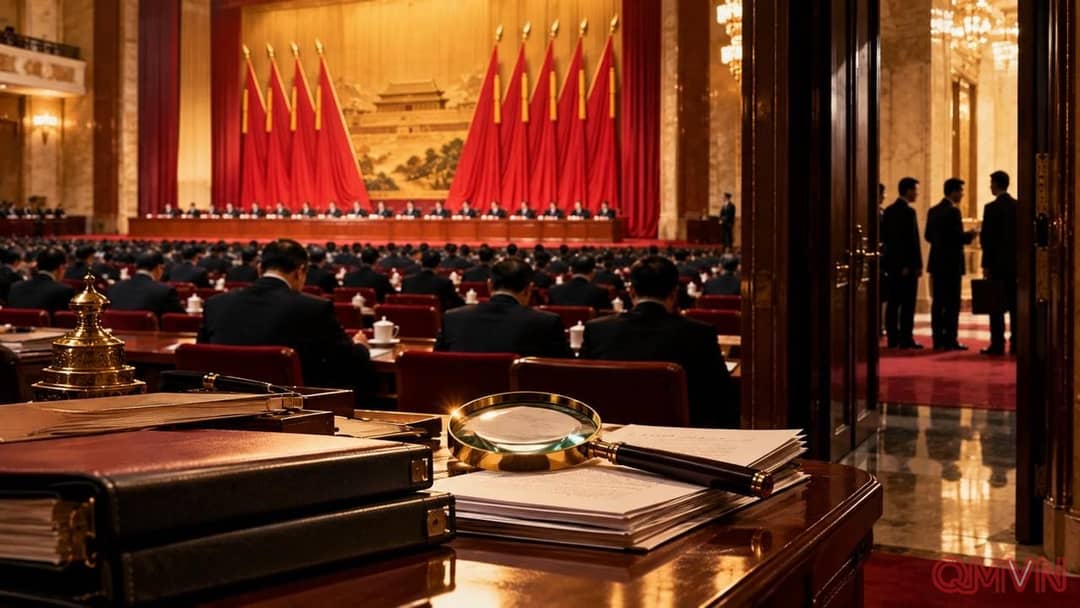
At a post-plenum briefing, Central Party School executive vice-president Xie Chuntao said such informal conventions had weakened party discipline and prompted concern among both officials and the public. The leadership’s argument is that punishment alone cannot suppress corruption unless the surrounding arrangements that make abuse possible are also dismantled.
Moving from punishment to institutional design
The resolution calls for a coordinated approach intended to make officials unwilling, unable and afraid to engage in corruption. That joins sanctions with tighter constraints on power, political education and a stronger oversight architecture.