MAIN ARTICLE
A statement in Tokyo, not yet a mine
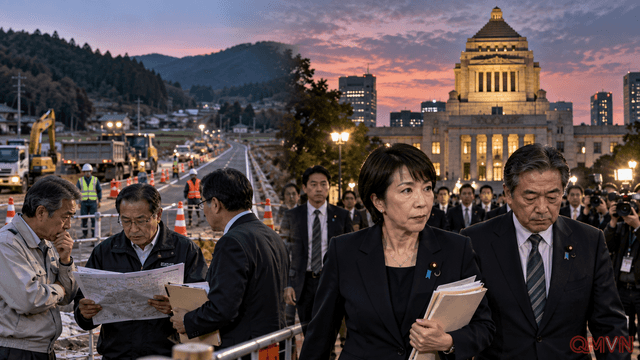
On November 9, Prime Minister Sanae Takaichi and Vietnam’s Communist Party general secretary and president To Lam issued a joint vision statement during his November 8–11 visit. It says the countries will examine identifying and implementing critical-mineral projects, potentially working with multilateral development banks. Those carefully chosen words matter: the leaders announced a direction for future investment rather than a producing operation or a binding purchase contract for rare earths.
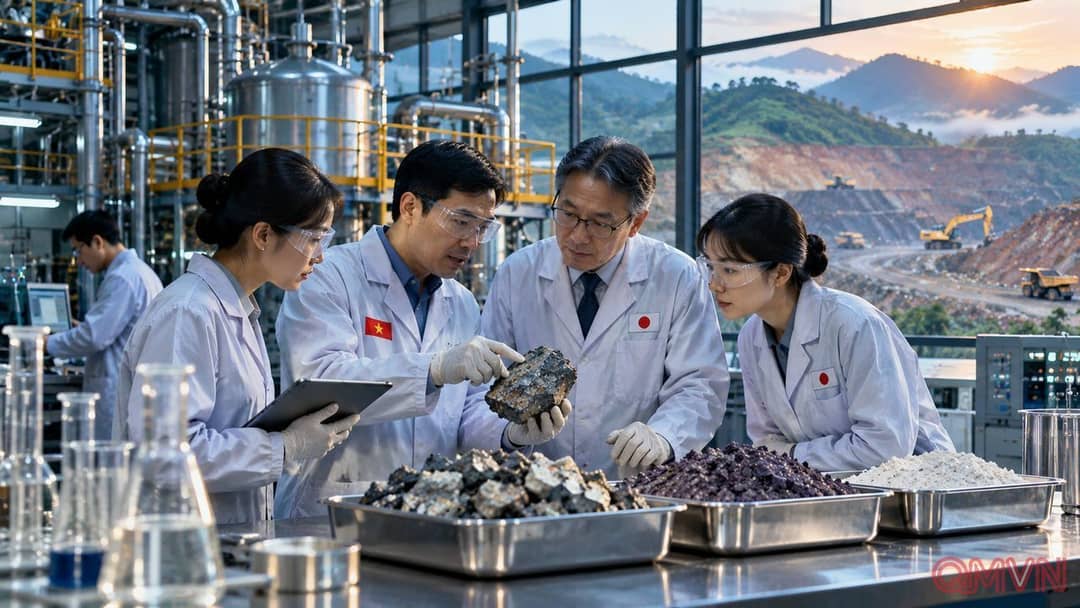
Their strengths could complement each other. Vietnam offers mineral potential, a growing manufacturing network and ambitions to move into higher-value industries. Japan contributes industrial demand, technological expertise and buyers seeking reliable inputs for vehicles, electronics and machinery. Turning that combination into business will require geological surveys, commercial assessments, mineral separation methods, financing, environmental approvals and dependable long-term purchasing arrangements.
Why China cannot simply be replaced
Critical minerals are a broader category than rare earths, potentially covering tungsten, antimony, gallium and many other materials. Rare-earth elements themselves present a formidable technical problem: separating chemically similar elements requires sophisticated processing and specialized infrastructure.