MAIN ARTICLE
A ship between authorization and acceptance
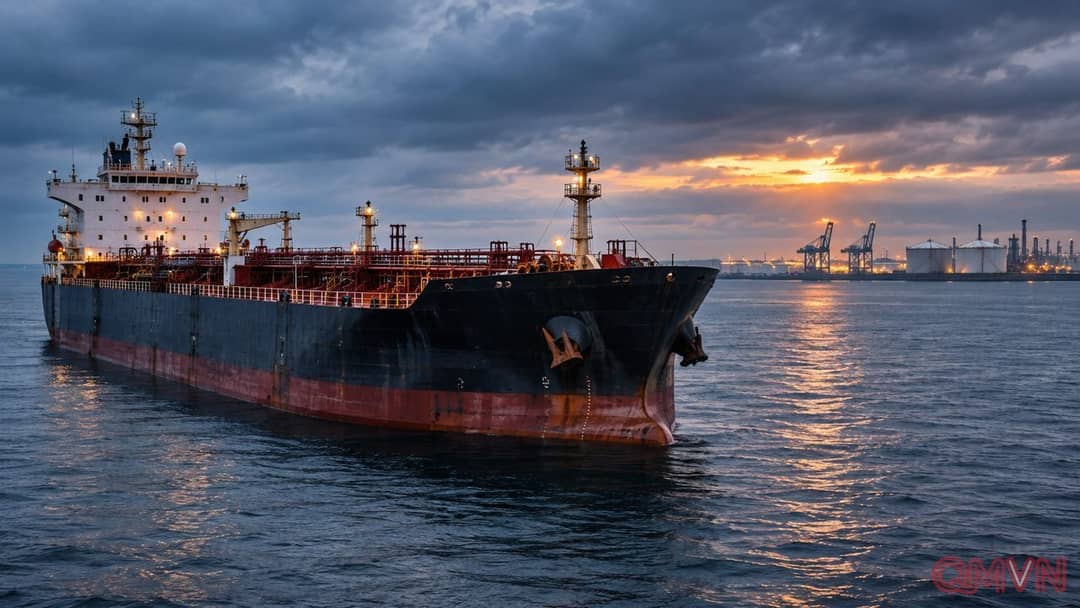
The Agioi Fanendes took on approximately 40,000 metric tons of ultra-low-sulfur diesel at Russia’s Baltic port of Primorsk on October 22, according to shipping data cited by Reuters. A November 7 delivery had been anticipated. Instead, the Malta-flagged vessel stopped off the US East Coast, while its Greece-based manager Eastmed said that the discharge port had not been finalized. Its position at sea has become an unusually visible measure of how difficult it can be to translate diplomatic decisions into a commercial transaction.
Energy Secretary Chris Wright said on November 10 that he was not troubled by the possibility of the cargo sailing elsewhere. What mattered, he suggested, was diesel entering the broader international market. That is a defensible supply-side objective, but it differs from the calculation facing an individual American importer: a theoretically cheaper shipment must still be lawful, financeable, insurable and deliverable.
A license does not settle every legal question
On October 9, the US Treasury’s Office of Foreign Assets Control issued General License 135, authorizing specified transactions involving the sale, delivery, offloading and importation of Russian-origin diesel. The unresolved issue is how this authorization interacts with import restrictions imposed after the 2022 invasion of Ukraine and subsequently reinforced by Congress.