MAIN ARTICLE
Why refined copper depends on an uncertain upstream chain
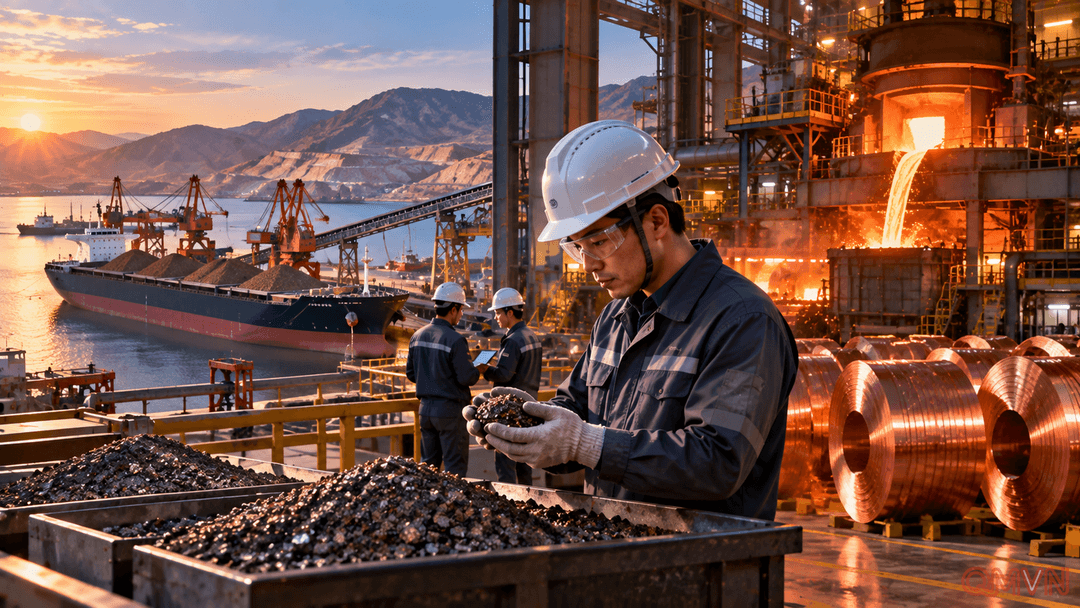
Copper is indispensable to electricity networks, electric vehicles, wind power, industrial equipment and data centres. Yet mined concentrate and refined metal are different links in a long production chain. Mines produce ore and concentrate, while smelters and refineries require a predictable inflow of feedstock to turn it into usable copper. A country may lead in processing capacity without controlling the upstream resources that keep its furnaces operating.
China accounts for as much as 60% of global copper cathode production, according to Reuters. Smelting investment, however, has expanded faster than concentrate availability. Reporting on September 28 cited estimates that China's refined copper production might grow only 3% to 3.4% in 2026, down from 10.4% in 2025 and the slowest pace since at least 2000. Falling prices for sulphuric acid, a commercially important smelting by-product, have added pressure to plant economics. Some operators have responded by scheduling maintenance closures.
What Beijing is seeking from a $54 billion deal
Three people familiar with the negotiations told Reuters that China's State Administration for Market Regulation (SAMR) has sought continuing copper-concentrate supply assurances, including material sold indirectly through commodity traders. The regulator has reportedly collected concerns from domestic smelters and is discussing possible behavioural remedies.