MAIN STORY
Why common technical rules matter
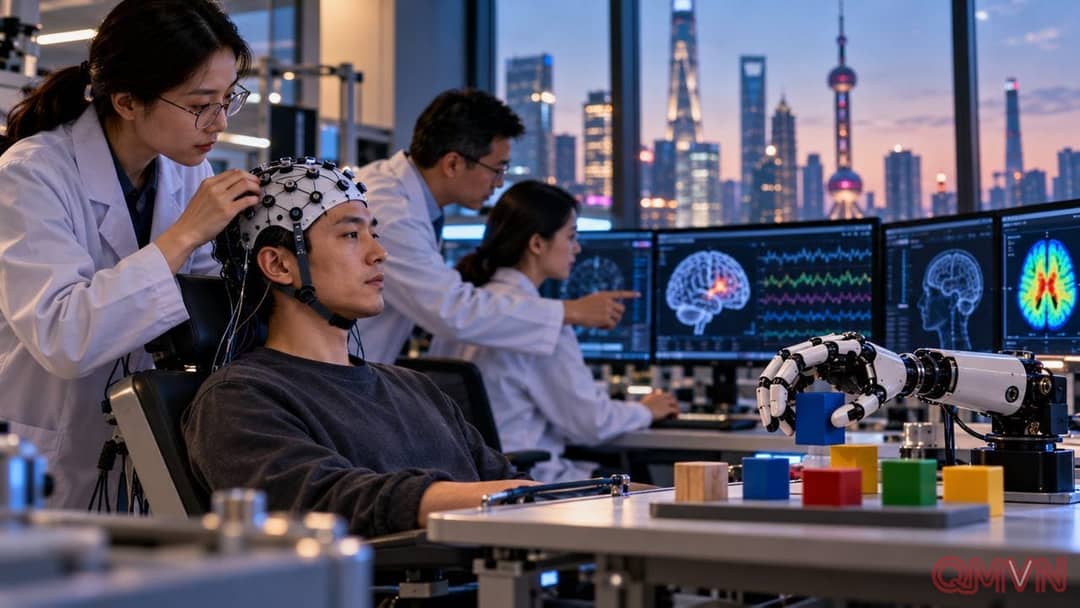
BCIs acquire signals associated with brain activity, decode them through software and translate them into output, such as moving a cursor or operating an assistive device. Noninvasive systems often use scalp sensors, while implanted systems raise additional surgical and medical considerations.
Without shared definitions, competing devices may store data differently, making independent testing, research comparisons and compatibility more difficult. Technical standards can make systems easier to understand and assess. They do not, however, establish that a particular device is clinically effective or suitable for an individual patient.
What the international committee does
ISO/IEC JTC 1/SC 43 develops information-technology standards for communication between brains and computers. China provides its secretariat, but countries including the United States, Britain, Germany and Japan participate in the standard-setting process.