MAIN CONTENT
Gaza And The Struggle To Be Seen
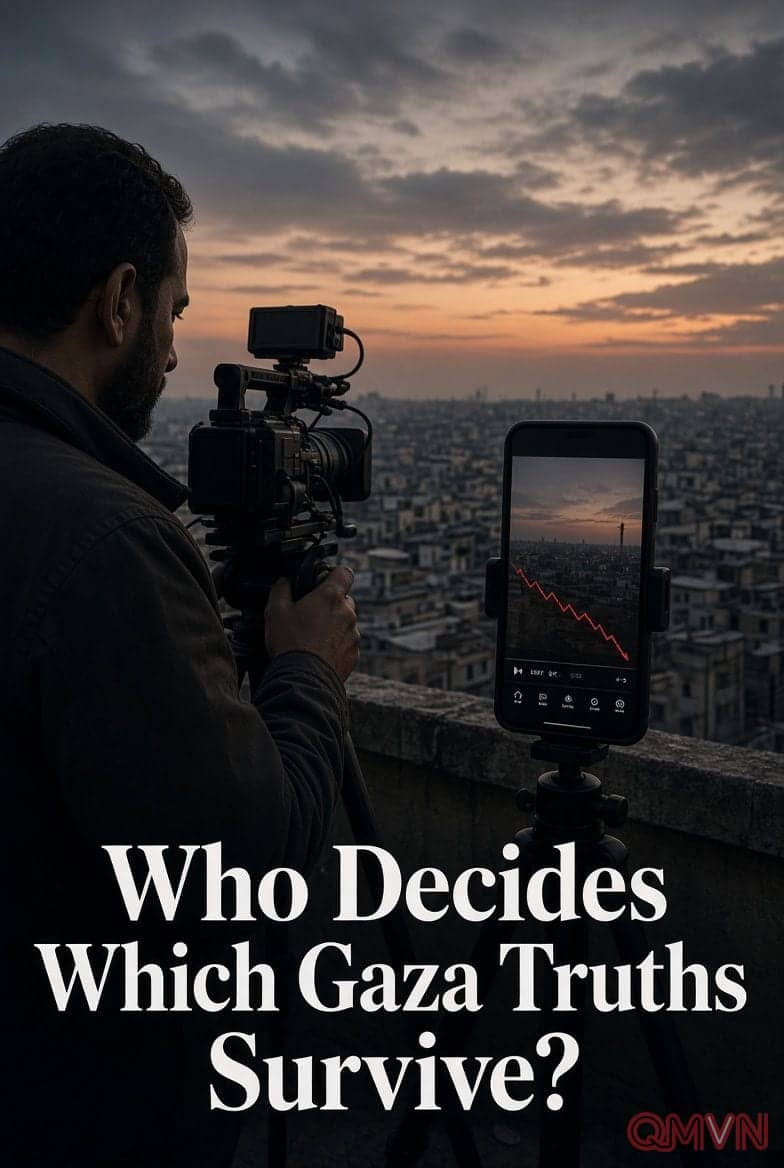
In Gaza, local journalists, witnesses and residents have become custodians of memory while access to the territory has been constrained. They use phones to document air strikes, displacement, overwhelmed hospitals and ordinary lives broken apart. Such images do not automatically create understanding, but they give audiences outside Gaza more material with which to ask questions and verify claims.
Access to digital space therefore means more than view counts. It concerns the right to tell a story, the ability of journalists to gather evidence and the public’s right to know. When testimony drops out of the information stream, or cannot be found, the resulting void can be filled by speculation, propaganda and indifference.
“A testimony matters when it has a chance to be seen, tested and heard. - Anonymous principle”
When Algorithms Narrow A Voice Without Deleting A Post
Concerns about digital censorship increasingly focus on decisions that are difficult to observe. A post may remain online yet appear less often in search, receive fewer recommendations or lose interactive functions.