Two interpretations of the same vote
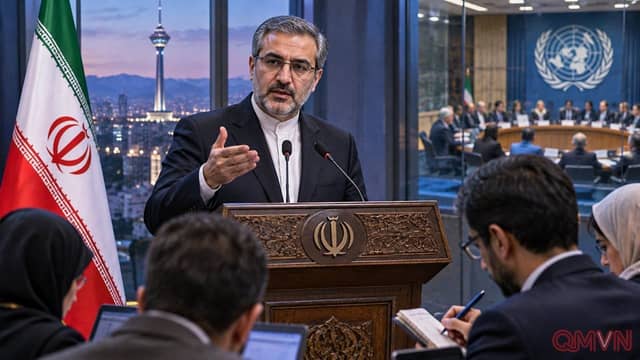
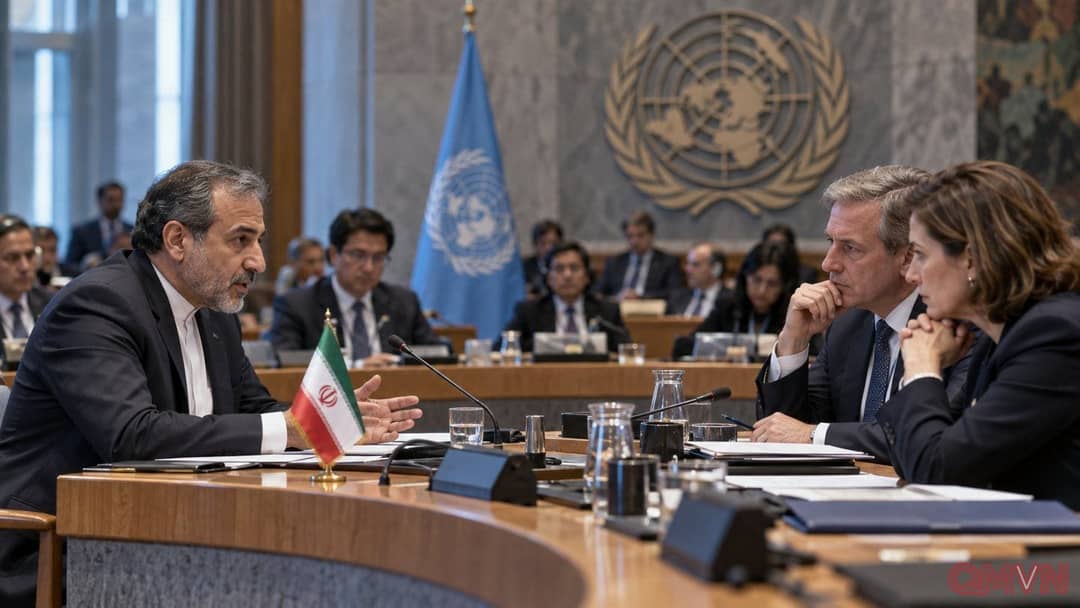
According to Mehr News Agency, Gholamhossein Darzi, Iran’s representative at the United Nations, described efforts to revive the expert panel as politically motivated and legally unfounded. He portrayed the Russian and Chinese vetoes as a defence of the UN Charter. These are Iran’s arguments, rather than a legal ruling issued by the General Assembly. Identifying who makes each claim allows readers to distinguish a diplomatic accusation from a conclusion established through an independent assessment of facts and law.
A contrasting position appears in British Ambassador Sarah MacIntosh’s September 17 statement: she argued that the vetoes weakened monitoring without removing sanctions. The disagreement therefore extends beyond the term of an expert body. It concerns which mechanisms are considered legitimate and whose interpretation of compliance should prevail. Those questions give an apparently administrative decision wider political significance. They also explain why presenting only the winning or losing side of the vote would leave readers with an incomplete account.
A veto blocks a draft without answering every question
Mehr News Agency records 11 votes in favour, two against from Russia and China, and two abstentions. Under UN rules, substantive decisions need nine affirmative votes without a permanent member’s veto. A numerical majority can consequently fail to secure adoption.