MAIN ARTICLE
A signal of restraint, not an end to hostilities
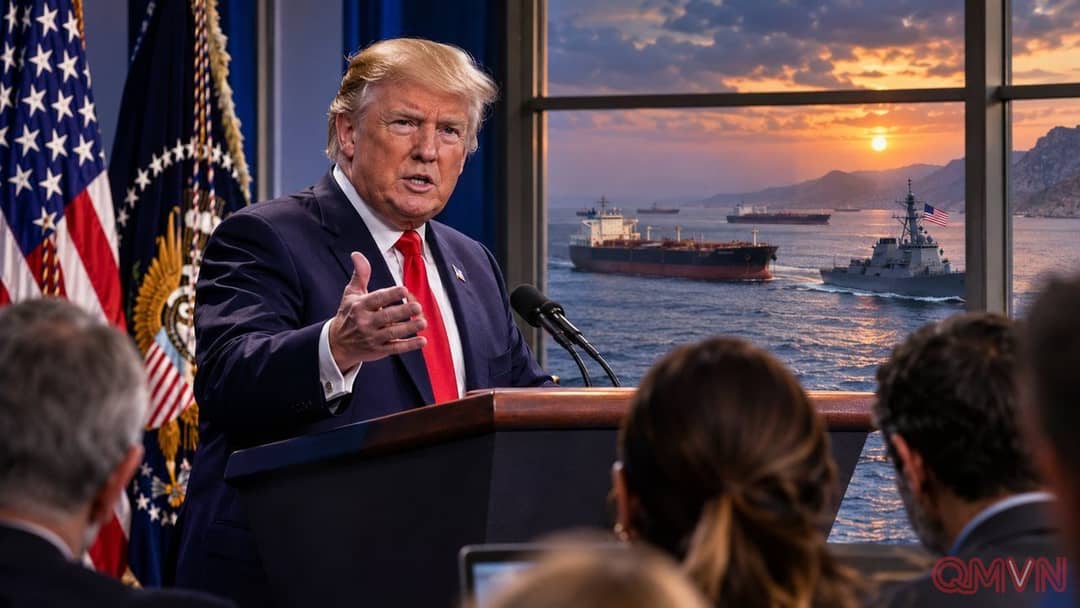
In an unscheduled appearance before White House reporters on November 9, Trump argued that the military balance had shifted decisively toward the United States. He nevertheless saw little reason to begin a large new offensive. That judgment should not be confused with a declared ceasefire: Washington is choosing not to expand its campaign for now while retaining the pressure it has already established.
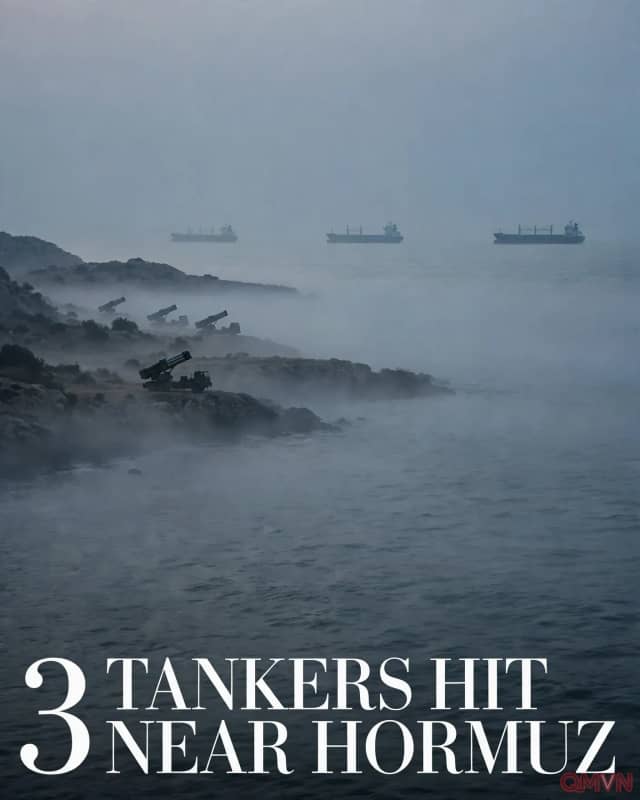
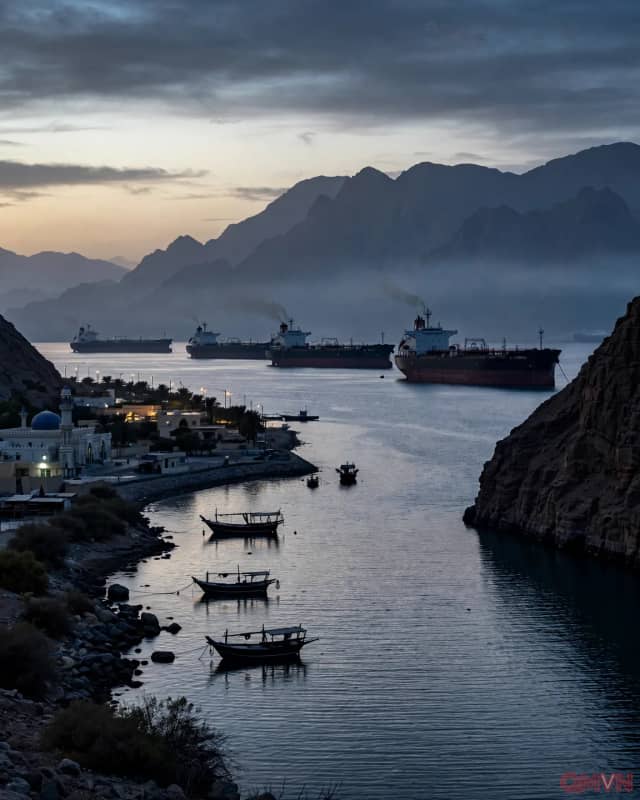
Speaking separately to Reuters, the president said Qatar and Saudi Arabia favored a peaceful settlement. He also referred to the United Arab Emirates, Bahrain and Kuwait as neighbors that wanted further attacks avoided. Their concerns are practical as well as diplomatic. A renewed confrontation could endanger shipping lanes, energy installations and densely interconnected commercial centers across the Gulf.
The White House has not ruled out force. Trump told Reuters, “I'm prepared” — Donald Trump. That deliberate ambiguity lets Washington signal an openness to talks without surrendering leverage. It also makes it difficult for Tehran to regard the threat of another bombing campaign as safely behind it.