What VPP2 does
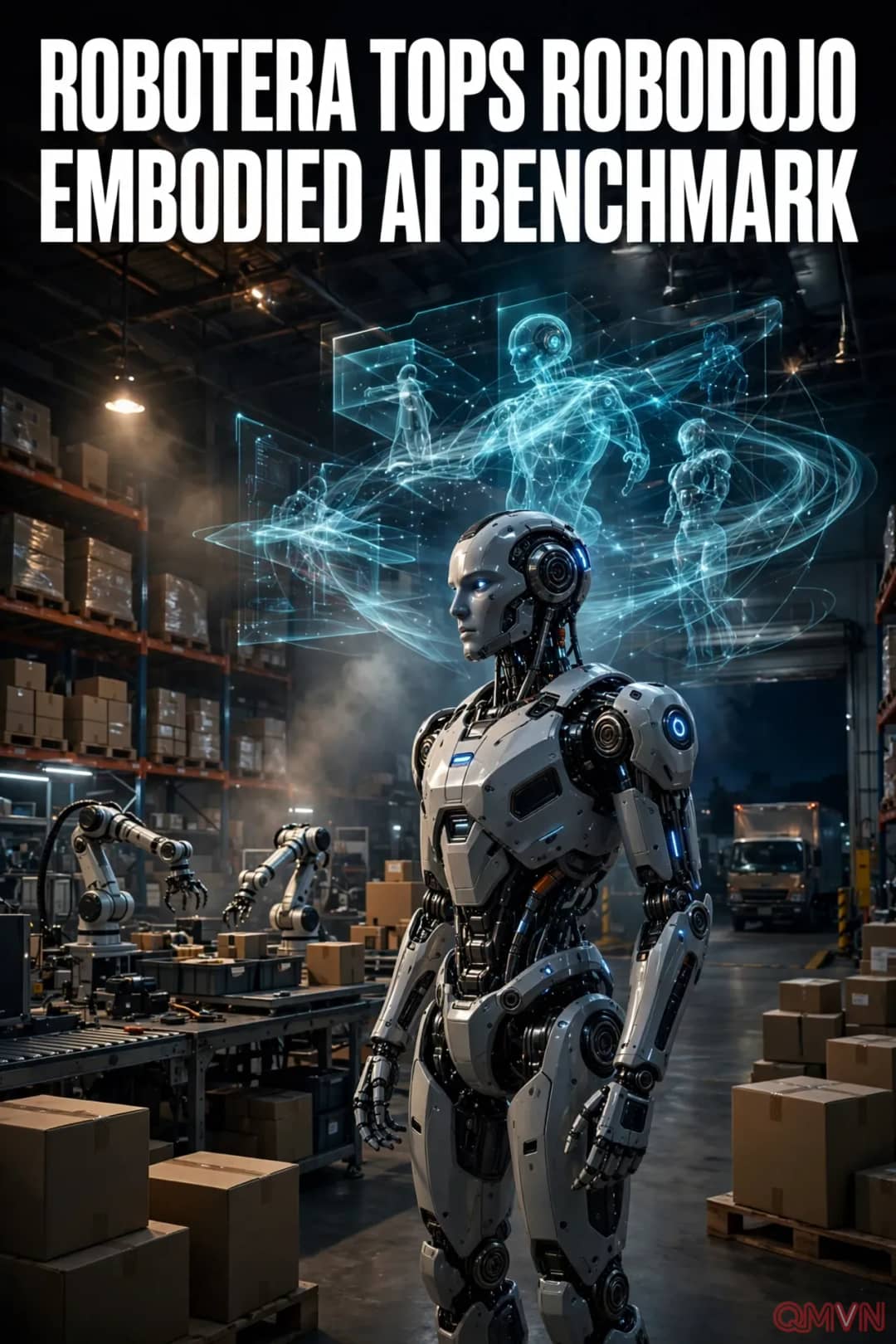
World action models aim to give robots a kind of imagination: the ability to predict what will happen after an action and to choose movements accordingly. Unlike video generators designed to create visual content, VPP2 is trained to understand how objects move and to follow precise manipulation instructions, linking what a robot sees with what it does.
For complex, multi-step tasks, the model can work with a vision-language model that breaks high-level instructions into smaller executable steps. ROBOTERA has published the code on GitHub, allowing researchers worldwide to test and build on the approach, a move that could speed progress and invite scrutiny of its claims.
Results across benchmarks
Besides its RoboDojo ranking, ROBOTERA reports that VPP2 reached a 58.5% average success rate across 10 task categories on the ALOHA robotic platform, outperforming leading baselines in nine, and 45.0% on LIBERO-Pro, a test of manipulation and generalisation. With high-level task planning added, success rates across five task groups rose from 27.6% to 57.6%, according to the company.