MAIN ARTICLE
A short errand becomes a long separation
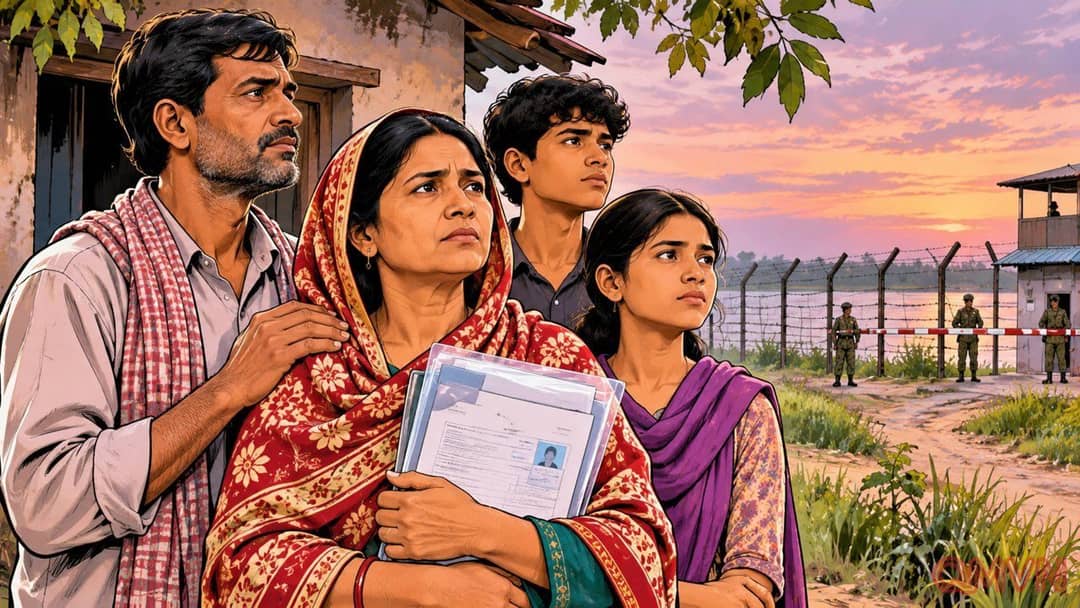
On July 19, Sahida Fakir left her home in Mumbai and told her younger son she would return within minutes. According to her account, plainclothes officers detained her, seized a phone containing copies of identity documents and eventually sent her to Bangladesh. When Reuters interviewed her in Satkhira in November, her husband and two sons remained in India. Her account remains contested in legal proceedings rather than established as a final judicial finding.
Family records reviewed by Reuters show that Fakir’s parents and grandparents appeared on electoral rolls in Swarupnagar as early as the first national election in 1952; her own voter identification dates back at least to 2008. Mumbai’s foreigner-registration authorities told a court, however, that she had produced a Bangladeshi birth certificate and failed to establish Indian nationality with credible documents. Fakir disputes that characterization and says she was not permitted to present material stored on her confiscated phone.
When electoral records acquire consequences beyond voting
Reuters estimates that the national voter-roll revision removed approximately 130 million entries. In West Bengal, around nine million names were cut before the state election.