Tehran's rebuke, a mirror held up to Paris
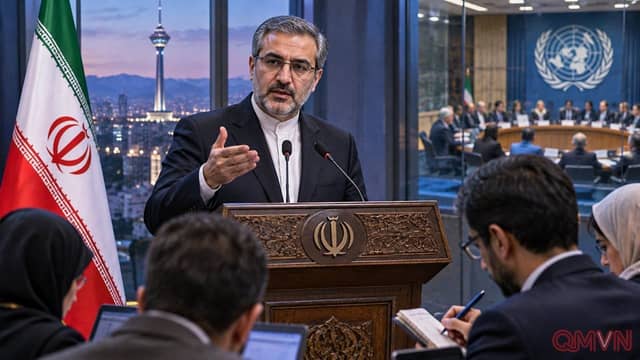
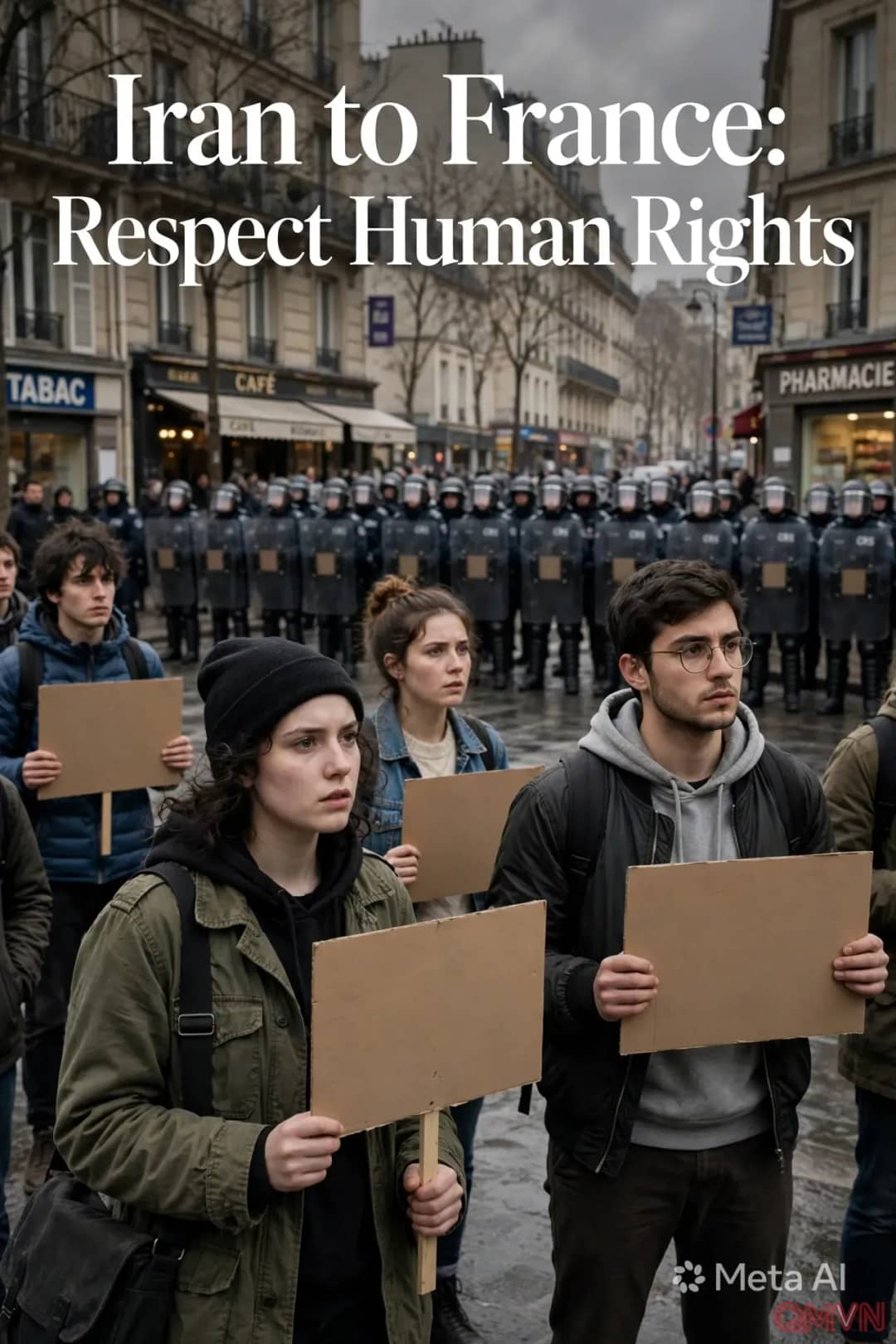
Baghaei's statement, carried by the Mehr news agency, was carefully constructed. He accused French officials of a double standard: they describe Iran's response to what Tehran calls armed “terrorists” trained by Israel as a human rights violation, yet, he said, they tolerate not the slightest violence against their own police and suppress protesters with the utmost severity. Citing French media reports of more than 2,000 arrests and of protesters being beaten, he called for an investigation into allegations that security forces used excessive force.
The spokesman also added a line that sounded almost like the advice Western capitals often give Tehran: demonstrators, he said, should refrain from violence, from damaging public and private property and from attacking law enforcement. The symmetry is deliberate. In diplomacy, as before a mirror, each side sees its own reproaches reflected back at it.
A school revolt that became a national crisis
What began in late September as blockades outside a handful of high schools in the Paris region has become one of France's most serious waves of youth unrest in years. Students are protesting a list of everyday grievances — teacher shortages, dilapidated buildings, crowded classrooms, long school days and classrooms that overheated during this year's heatwaves — at a time when the government is preparing painful budget cuts for 2027 and public-sector unions are striking over pay.