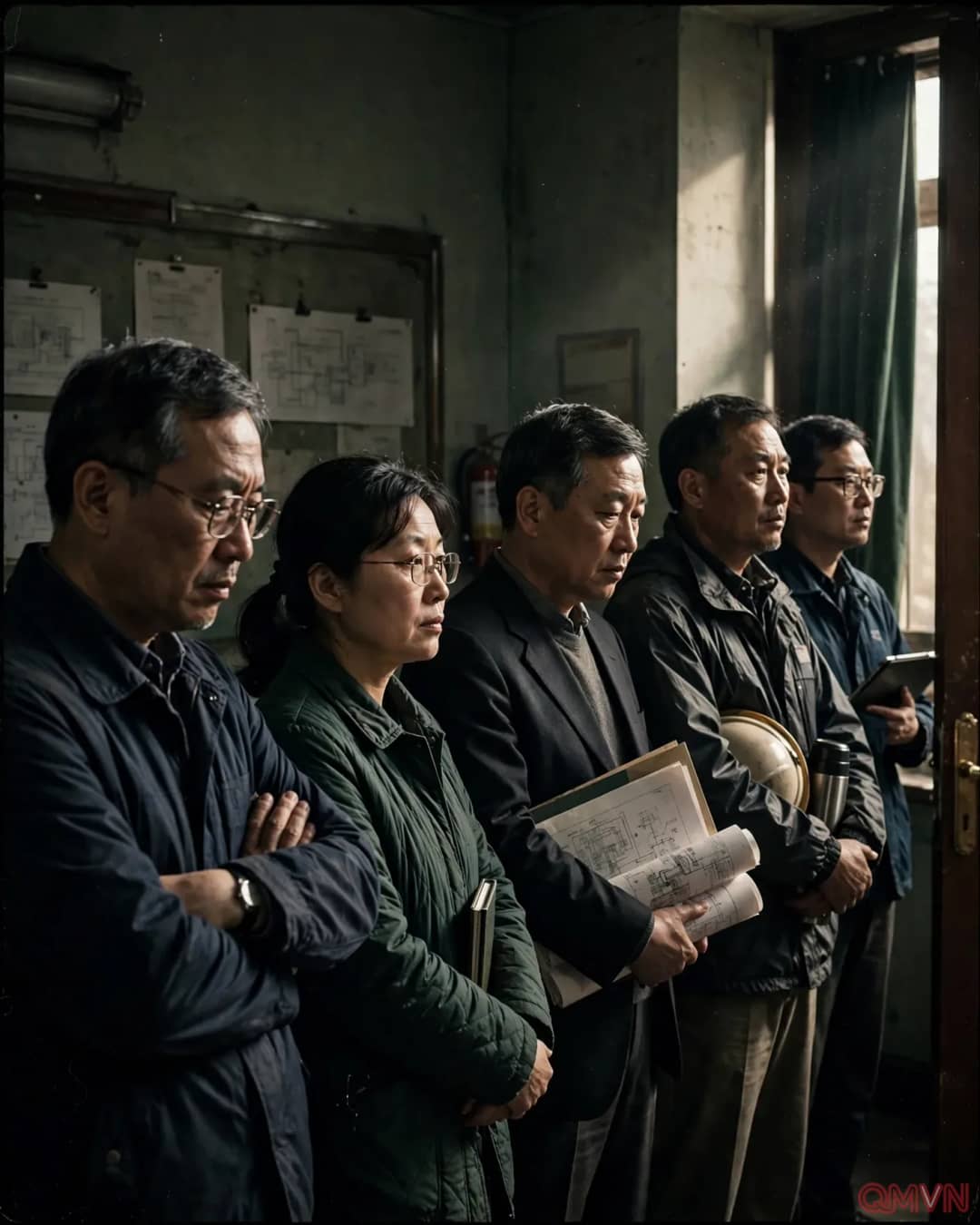
The Fifth Plenum as Personnel Stepping Stone to the 21st Party Congress
As China's political hierarchy convenes behind closed doors in Beijing for the Communist Party's fifth plenum on Monday, strategic attention centers on confidential institutional preparations to allocate pivotal governance seats at the 21st party congress scheduled for late 2027. This transition anchors the generational rise of the seventh generation (7G)—cadres born between the late 1960s and the 1970s.
With approximately two-thirds of the current 20th Central Committee reaching mandatory statutory retirement ages (typically 65 for ministerial and provincial portfolios) by October 2027, the 7G cohort—presently comprising roughly 8 percent of central leadership ranks—is mathematically positioned to become the dominant bloc steering national governance toward the 2032 party congress.
*"The new leaders will have to know emerging technology and hard science as China can no longer copy from others." - Xie Maosong, National Institute of Strategic Studies, Tsinghua University*
Technocratic Profiles: Advanced Doctorates, Engineering, and Capital Oversight
The 7G cadre cohort represents China's most educated generational tier, having come of age during Deng Xiaoping's reform and opening-up without enduring the deprivations of the Cultural Revolution. Demographic analyses by Li Cheng, director of HKU's Centre on Contemporary China and the World, reveal that fully half of leading 7G officials hold doctoral degrees, with one-third possessing specialized engineering credentials alongside extensive experience in state-owned enterprise management, finance, and industrial policy.