A dual challenge
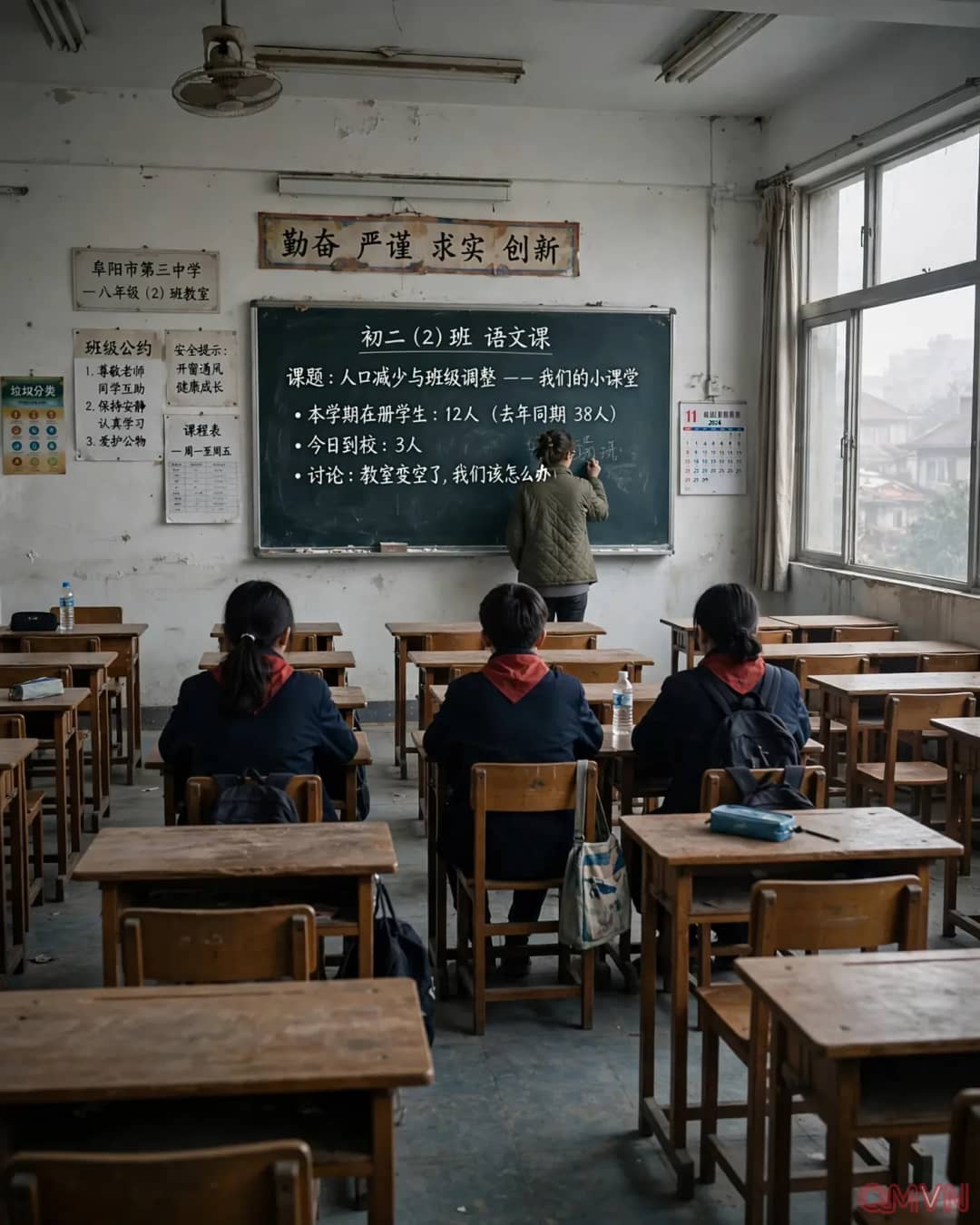
According to Huang Weiru, the demographic shift calls for downsizing some parts of the education system and a targeted expansion in others. At the entry level, fewer children are enrolling in kindergarten and primary school because of low birth rates; further up, cohorts born when the population was larger are now entering senior high school and university, putting pressure on places.
Selective downsizing and expansion
The main directions for adjusting the education system include:
- Expanding places in senior high school and university to accommodate larger cohorts.
- Reducing class sizes in kindergartens and schools for younger pupils.
- Downsizing some parts of the education system as enrolment falls.
- Shifting resources between levels of education in line with demographic change.
A regional demographic picture
According to the newly released China Statistical Yearbook 2026, Guangdong, the largest regional economy, remained the country’s baby-making powerhouse, accounting for about one in eight newborns last year even as the overall population declined. The northeast again recorded the steepest drop, with a natural population decline of up to seven per 1,000 people, while parts of central and western China also deteriorated significantly.