MAIN CONTENT
A futuristic showcase ahead of the APEC summit
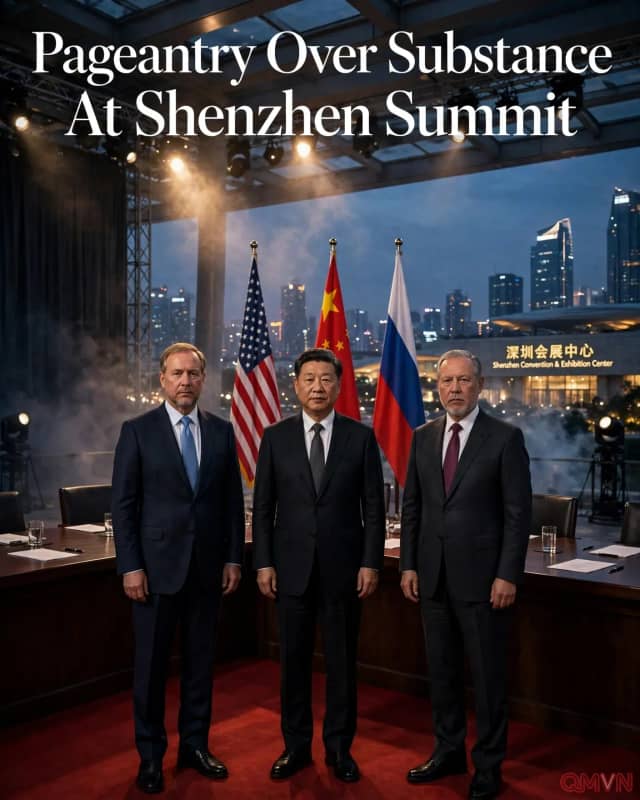
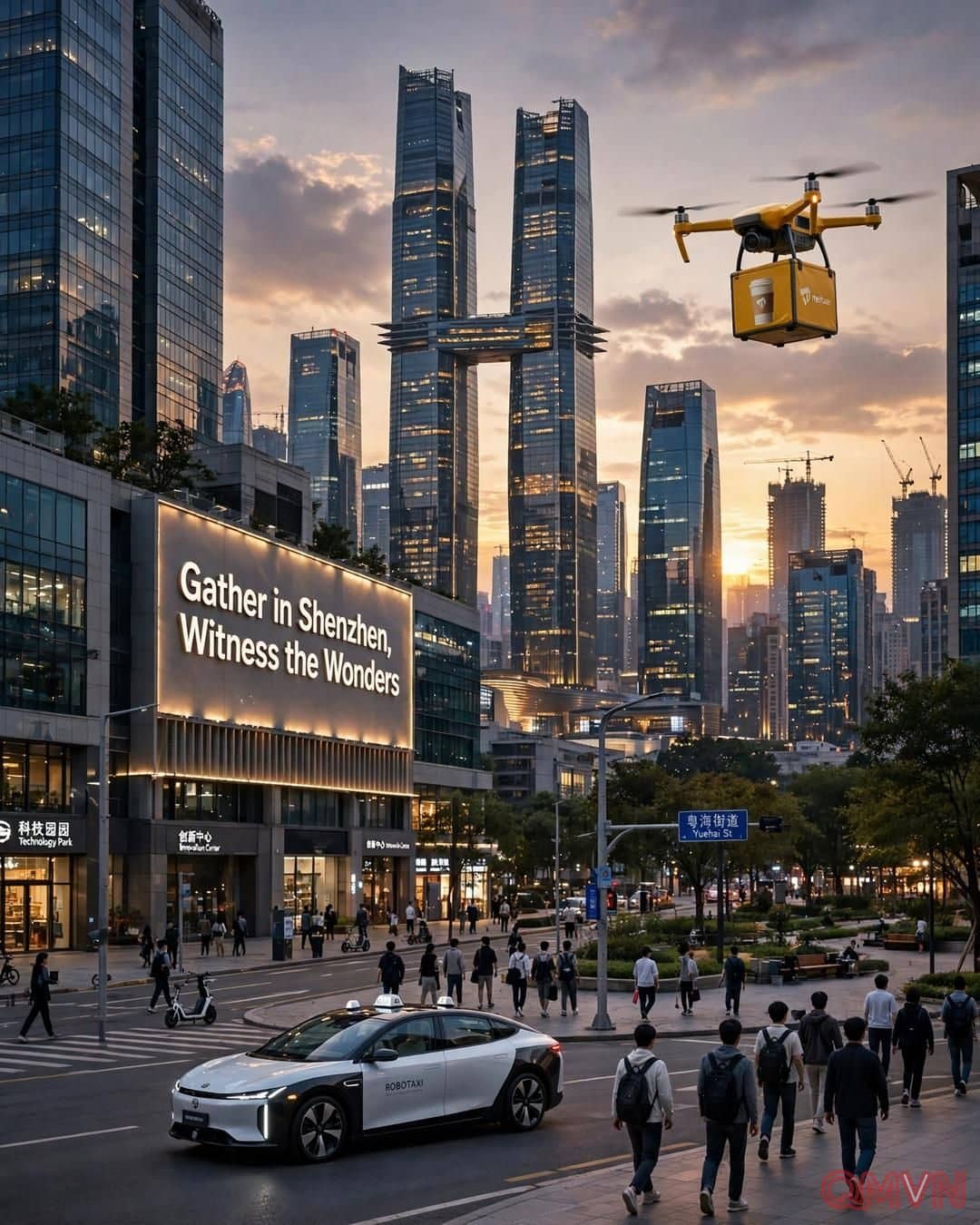
Billboards lining Shenzhen's wide boulevards greet US President Donald Trump and international leaders arriving for the November 18–19 APEC forum with a bold invitation to witness technological wonders. Driverless taxis navigate busy intersections while delivery drones ferry coffee orders to park visitors, underscoring the city's transformation into China's Silicon Valley.
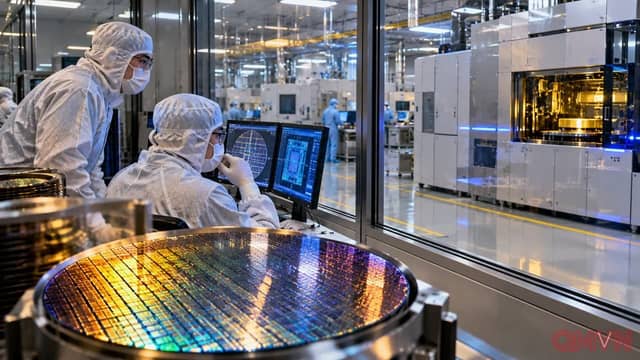
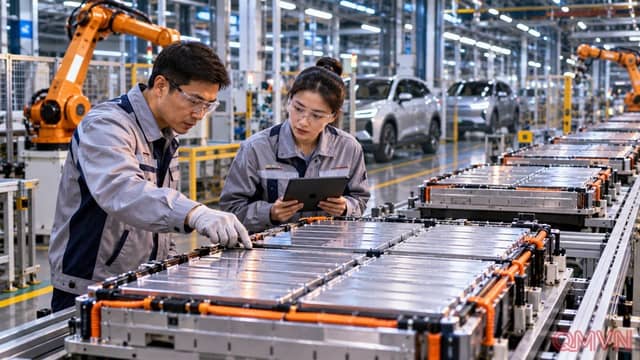
Designated as one of China's first special economic zones in 1980, the former semi-rural backwater now boasts gleaming skyscrapers housing tech giant Tencent alongside innovation hubs such as Liuxiandong, where state-backed projects totaling more than 60 billion yuan ($8.7 billion) support startups building robotics, exoskeletons, and portable power stations.
Weak domestic consumption fuels the export imperative
Between January and September 2026, retail sales in Shenzhen rose just 2.3%, missing municipal targets and trailing far behind an 18.5% surge in city exports. Fierce domestic price competition and a prolonged real estate slump have squeezed margins at home, pushing startups toward higher-spending overseas markets.