Main story
From the world’s workshop to a robotics laboratory
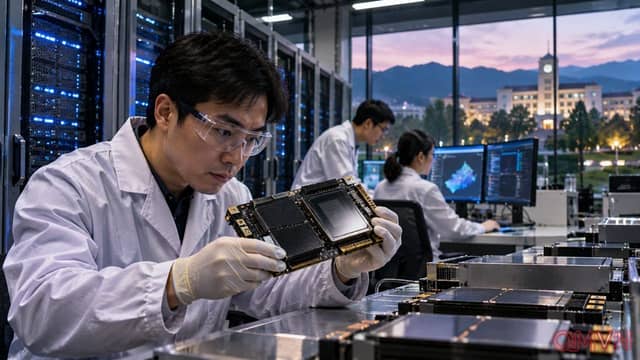
At a humanoid robotics company, young engineer Huang Shihua works among machines learning to perform practical tasks and communicate with people. He represents a generation drawn to Shenzhen by the prospect that an engineering idea can become a marketable product with unusual speed. That optimism has a foundation: concentrated suppliers, prototyping workshops, manufacturers and technology firms shorten the journey from design to production.
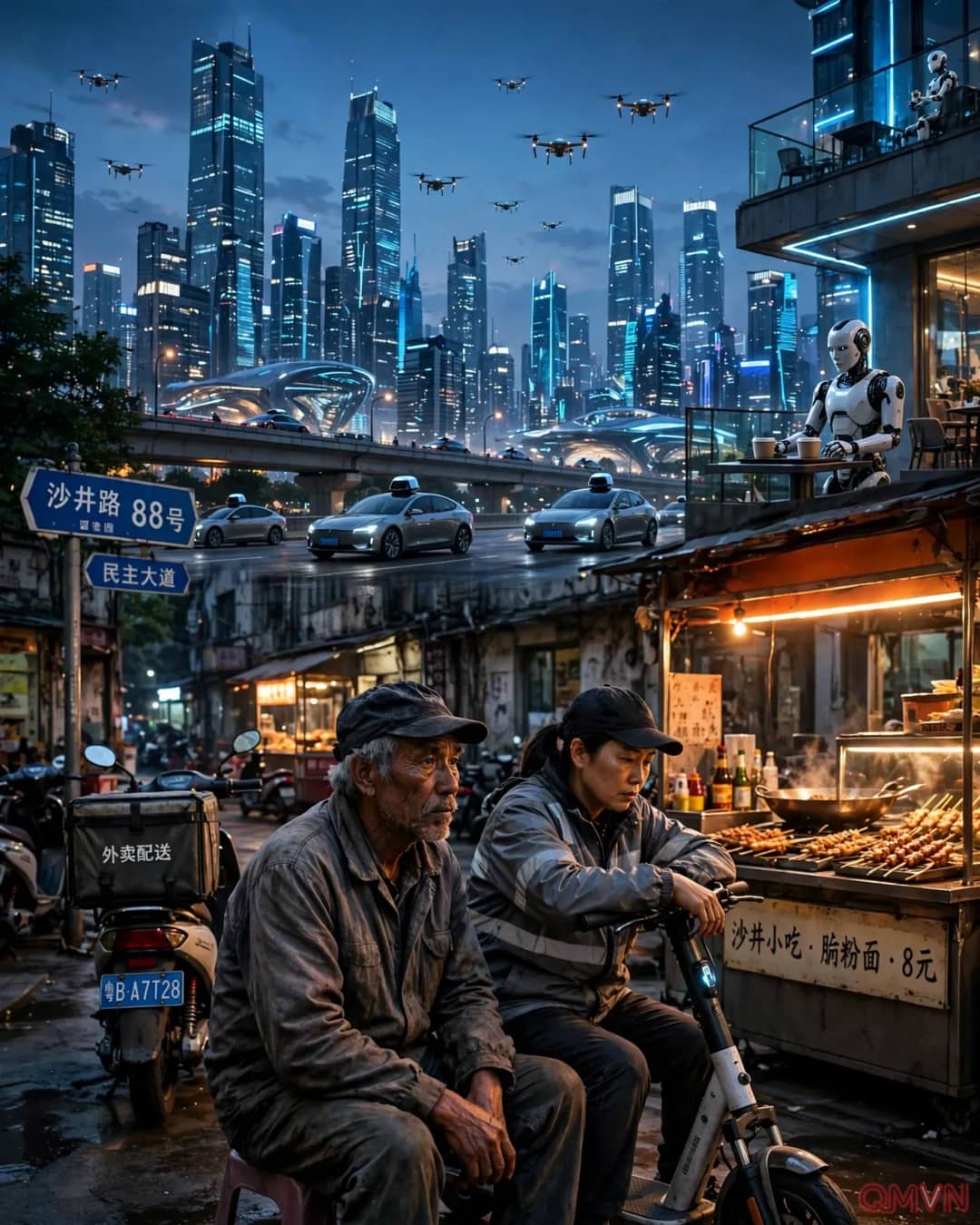
Once synonymous with consumer electronics assembly, Shenzhen now presents electric vehicles, delivery drones and robotics as symbols of its transformation. Some city parks provide designated collection points for airborne deliveries, while robotaxis operate on approved routes. Such services are visible evidence of technical progress, but their limited operating zones matter. A successful demonstration for tourists does not, by itself, reveal how widely a service can scale or whether it improves life for workers elsewhere in the city.
The old industrial economy is under strain
A journey from gleaming office towers to industrial districts such as Shajing and Songgang reveals a different urban economy. Factory employees, small traders and construction workers interviewed by the BBC describe weak business, higher costs and employers cutting production or moving operations. A prolonged property downturn and restrained consumer spending have compounded pressure on neighborhood restaurants and businesses.