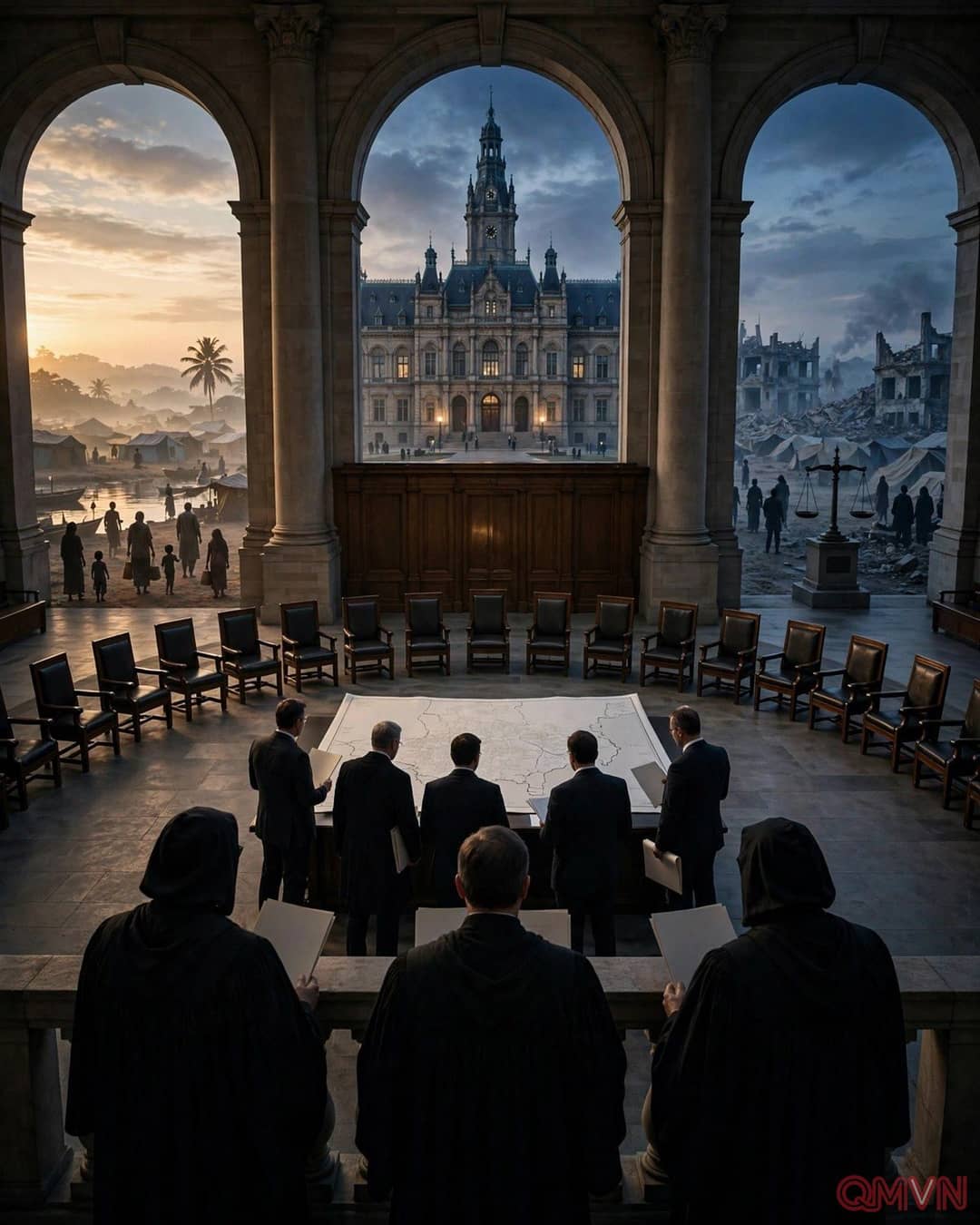
MAIN CONTENT
A court for states, not a criminal tribunal
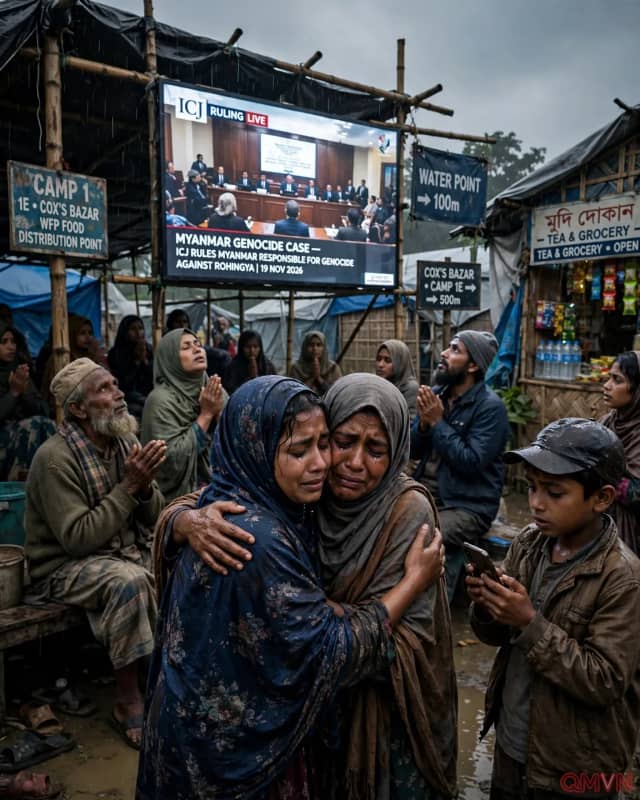
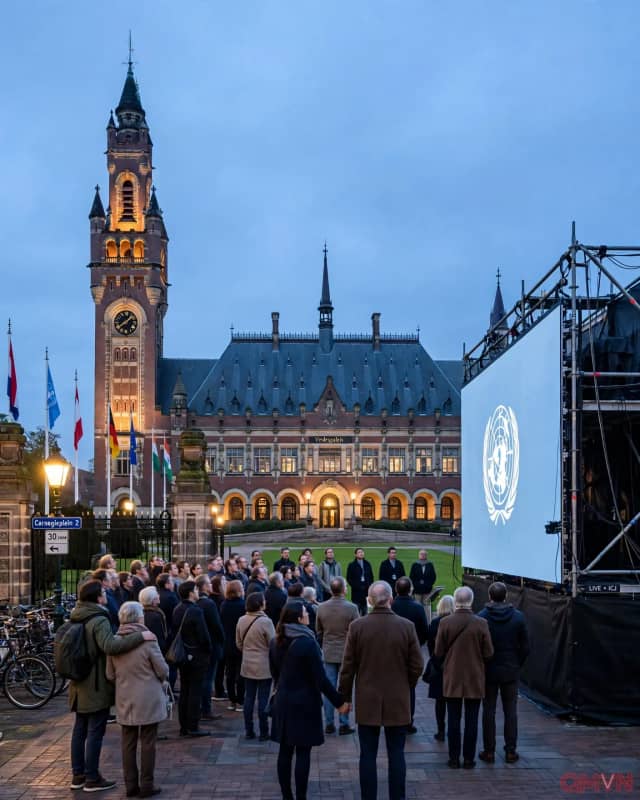
The International Court of Justice, commonly called the ICJ or World Court, began work in April 1946 under the 1945 UN Charter. It sits at the Peace Palace in The Hague. Its mandate has two principal parts: settling legal disputes submitted by states and issuing advisory opinions when authorized United Nations bodies seek guidance on questions of international law. It is not an appeals court for domestic judgments and does not directly judge whether a person deserves imprisonment.
That last distinction is often lost in public debate. The International Criminal Court, also based in The Hague, prosecutes individuals for crimes within its jurisdiction. The ICJ instead asks whether a state has breached an international obligation, for example under a border agreement or the Genocide Convention. An ICJ ruling can carry major legal and diplomatic consequences without producing an arrest warrant against a president or military commander.
Who can bring a claim and who hears it?
Only states may be parties to contentious cases before the ICJ. Membership of the United Nations does not, on its own, mean that every member has accepted the court's authority over every dispute.